
Solutions›MVP Development
MVP Development Services for Faster Product Validation or Scalable Growth
From concept to working product in weeks, AI-accelerated and human-led MVP development built around lean feature prioritization, secure architecture, and the feedback loops that determine what gets built next.














Build the Right Product. Get to Market Fast.
Getting a product to market quickly requires more than speed. It requires building the right version of the product first. Chromedia's MVP development services help startups, innovation teams, and enterprise product leaders move from concept to real-user validation faster, combining lean feature prioritization, rapid backend scaffolding, secure APIs, and feedback-driven release cycles into a delivery model that gets working software in front of actual users in weeks, not months.
The first conversation we have is never about what to build. It is about what you are trying to learn, and what comes after the MVP if the validation goes the way you expect. That answer shapes everything about how the build should be approached, and it is something most development partners skip entirely.
Two Paths to Validation, One Delivery Partner
Chromedia approaches every MVP engagement by first understanding what the founder is actually trying to accomplish, because the right build strategy depends entirely on what comes next.
For founders who want a scalable foundation, we deliver a production-grade MVP with API-first architecture, secure integrations, and an AI-ready backend that the next phase of the product is built directly on top of. There is no rebuild between validation and growth. The MVP is the foundation.
For founders who want to prove a concept quickly and move on, we deliver a focused burner build scoped precisely to what is needed to generate conviction from users and investors, without over-engineering a system that will be rebuilt once funding or validation unlocks the next phase. Speed and signal quality are the priorities, and the architecture reflects that.
AI-accelerated engineering makes both approaches faster than traditional timelines allow. Whether the goal is a durable foundation or a fast proof of concept, our teams use AI tooling to compress the build cycle without sacrificing the quality and reliability the intended audience requires. Senior engineers lead every engagement, ensuring the approach is matched to the strategy from the first line of code.
The Right Build for the Right Goal

Production-Grade MVP

Burner Build

Companies That Trust Chromedia
“Every engineer and product manager we had at Chromedia was both responsive and could be counted on to deliver. Every time.


Tyler Barber
CTO and Co-founder, Cruisebound
“They consistently produce solutions that are better than we had originally envisioned. They're very reasonably priced for the quality, speed, and value that we receive.


Linda Bernier
CEO, Spoke Health
“Their consistency stands out. Chromedia delivers what they say they're going to deliver in the timeframe and budget they promise. It's important as a business owner to be able to count on a partner like them.

Kevin Merritt
Owner, One Foot Productions
“For years we struggled to find a software development partner with the in house knowledge to build a high-quality product. Chromedia will help you tackle your software problems so you can focus on building your business.

Jenn Dederich
CEO and Owner, Portland Pedal Power
“It feels like we're one team. I'm very comfortable with them.


Leodus Thomas
CEO, Styleteq
“Keeping our clients happy is critical. Ensuring that our company is front-and-center in their minds is incredibly important, too. Using Fluid, we have improved our customer success operations considerably and contributed to more references, more revenue, and a better client experience.

Scott S.
Senior Manager, Customer Success, Fluid Gifts
“I find their developers to be more productive and communicative than many of the developers I've worked with in the US. I would highly recommend this team if you need any type of outsource help.

Keith Bristol
COO, iFlipd
“The product quality and experience with HIPAA compliance is extremely important, but really, it's that cultural alignment and the understanding of startups that made the decision easy to work with a boutique firm like Chromedia.


Richard Coyte
CEO, MEDtrip
“The team consistently exceeded expectations with not only their technical expertise but their ability to build relationships.


Jason Kallas
CEO, Hatch Marketing Plans
“Working with Chromedia, Inc. has been an absolute pleasure.

Seth Poche
Director, Cambium Networks
“Chromedia is great to work with. Their team members are knowledgeable, reliable, have great communication skills, and always meet their deadlines.

Bre Legler
Marketing Manager, MRIoA
“The team was consistently available to jump into a meeting regardless of short notice and differing time zones.

Michael Kemple
Director, EagleScreen
“Chromedia's efforts were met with unanimous acclaim. Customers can expect a responsive team that adapts to their customers' needs.


Jeff Donnici
CTO, GeoLens
“Chromedia is uniquely capable of finishing our project in good form. Our product will be 1000% better because of their work.


Adam Rentschler
CEO and Co-founder, Valid Eval
How Chromedia Approaches MVP Development
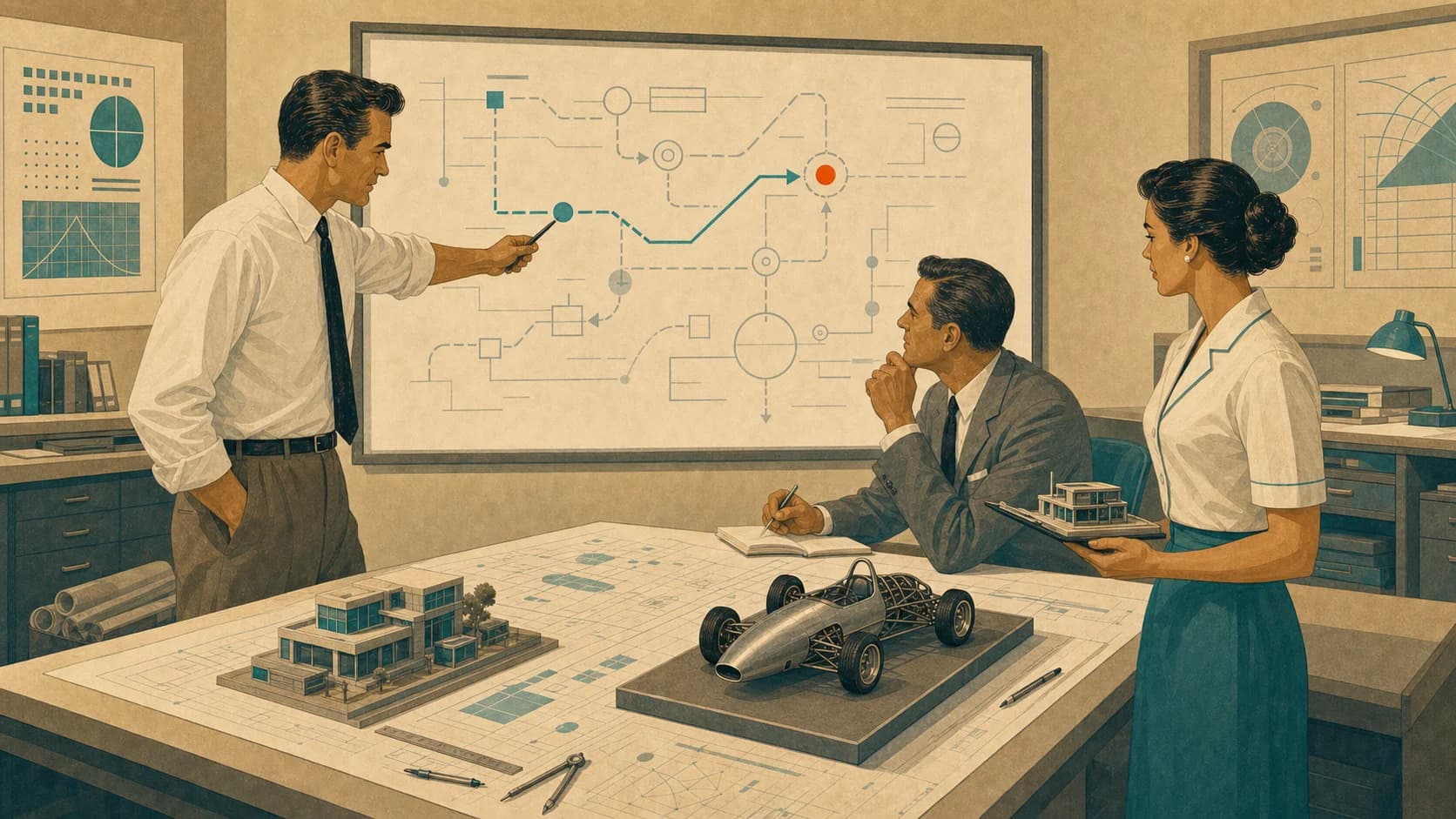
Strategy-First Scoping

Lean Feature Prioritization

Rapid Backend Scaffolding and API Architecture
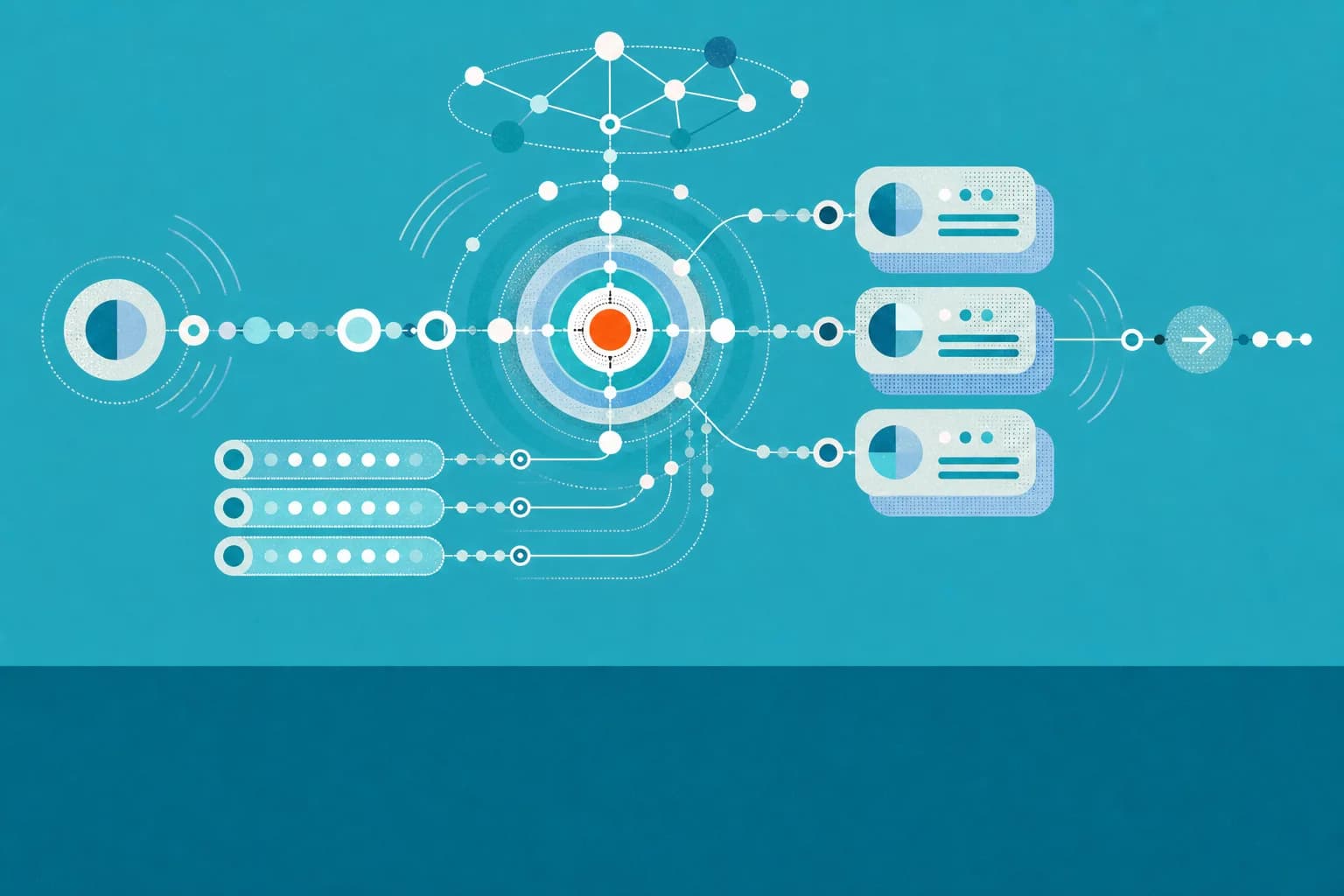
AI-Accelerated Engineering With Senior Oversight
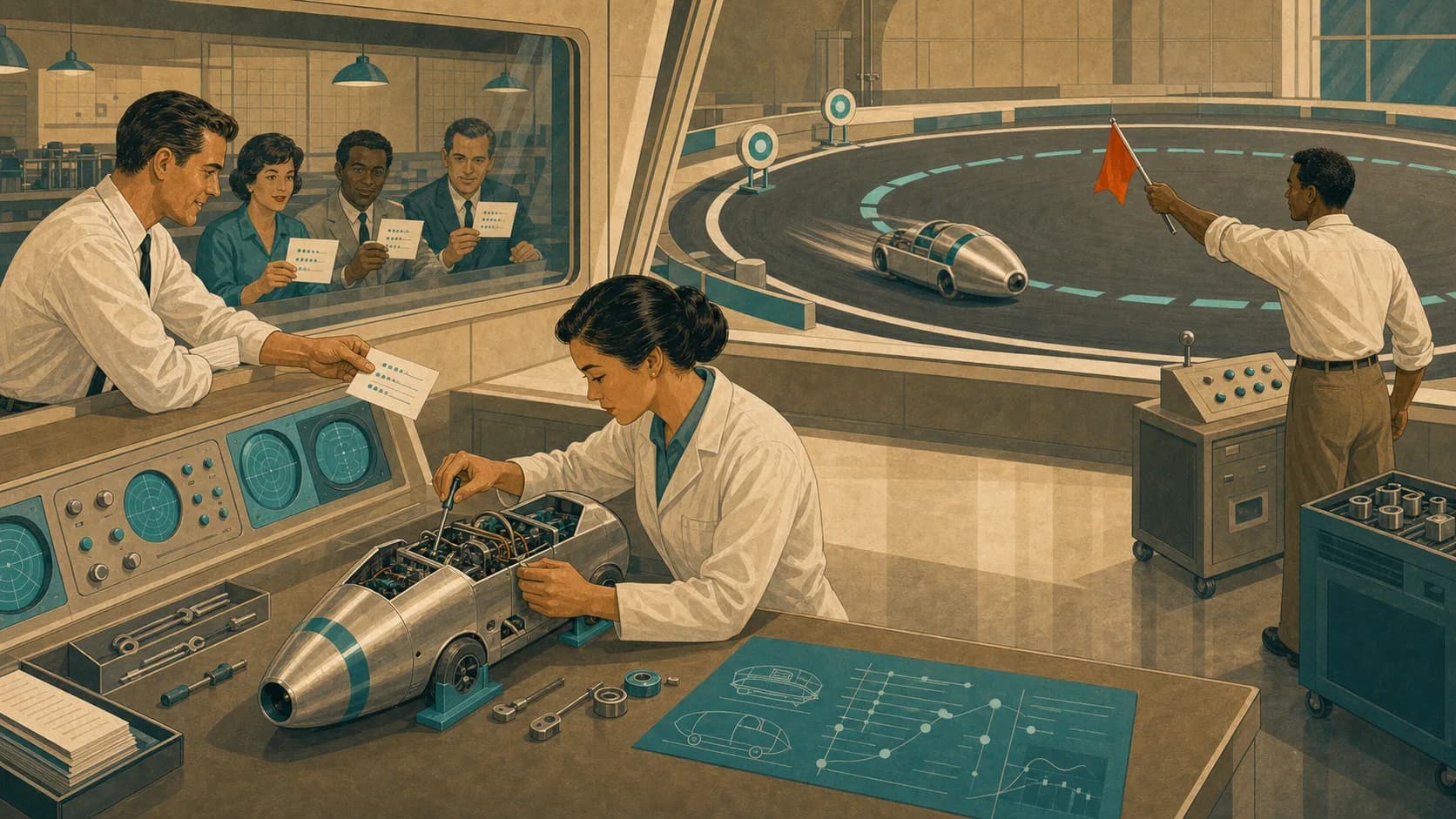
Feedback-Driven Release Cycles
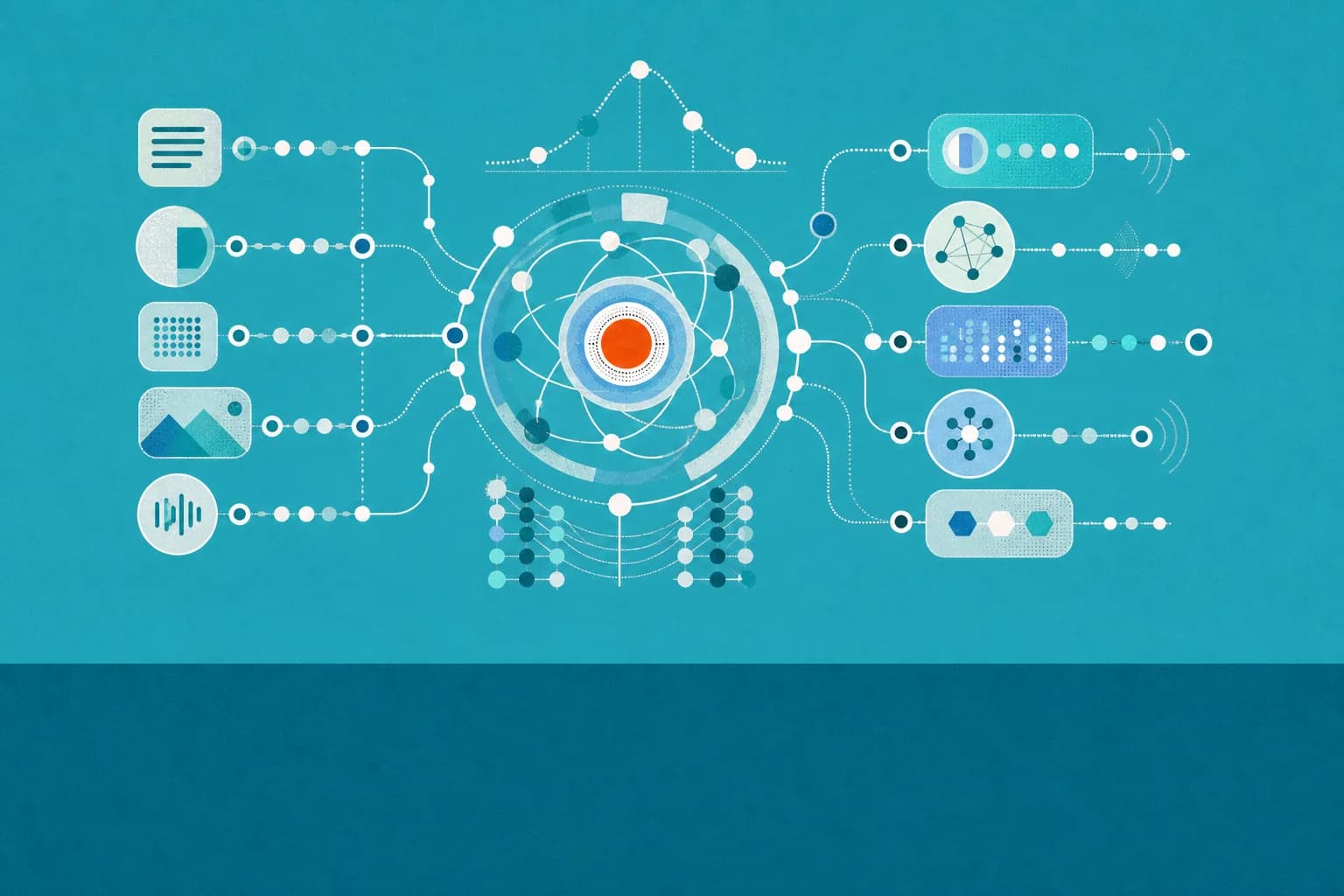
AI-Ready Architecture Where It Counts
How AI Has Changed MVP Development



MVP development looked very different just a few years ago. Getting a working product in front of real users required weeks of scaffolding, boilerplate, and infrastructure setup before a single feature that tested the core product hypothesis was built. Backend architecture had to be defined and implemented manually before the frontend could be meaningfully developed. Component generation, API contract creation, data model definition, authentication flows, and deployment configuration consumed engineering time that had nothing to do with the idea being validated. By the time a founder reached real users with a working product, the timeline and cost of getting there had already constrained how many iterations the budget could support.
Burner builds, the focused proof-of-concept applications designed to generate investor conviction or early user signal before committing to a full production architecture, were particularly affected by this overhead. The faster and cheaper the build needed to be, the more corners were cut in ways that sometimes undermined the credibility of the product in front of the exact audience it was designed to impress. Founders faced an uncomfortable choice between a build that was fast enough to fit the budget and a build that was polished enough to generate the confidence the validation required.
Production-grade MVPs carried the opposite problem. The architectural discipline required to build a foundation worth scaling on, API-first design, clean data models, extensible service structure, and AI-ready infrastructure, demanded senior engineering investment that extended timelines and increased costs at exactly the stage when speed to market and capital efficiency mattered most.
AI has changed both sides of that equation in ways that have made MVP development faster, more affordable, and more architecturally sound than it has ever been, though not by removing the judgment that determines whether what gets built is worth building.
Scaffolding and boilerplate generation represent the most transformative change for MVP timelines. The infrastructure work that previously consumed the first weeks of an MVP engagement, authentication systems, API scaffolding, data model generation, deployment configuration, and environment setup, can now be generated, reviewed, and integrated in a fraction of the time manual implementation required. Founders reach meaningful product development work, the features that actually test the hypothesis, faster and with more of the budget intact for the iteration cycles that generate real validation signals.
Burner build economics have improved significantly. Applications that previously required four to six weeks of engineering time to reach a state polished enough to put in front of investors or early users can now be delivered in two to three weeks without sacrificing the reliability and performance that validation audiences use to assess the credibility of the team behind the product. AI-accelerated component generation, UI scaffolding, and integration setup compress the mechanical work of early-stage development without removing the senior engineering judgment that determines whether the build performs correctly under the conditions that matter most.
Prototyping and design-to-code velocity have been transformed by AI tooling that translates design specifications into working frontend components faster than manual implementation allows, reducing the iteration cycles between design and engineering that traditionally extended MVP timelines. Founders can see working implementations of design directions earlier, make better-informed product decisions based on how features actually behave rather than how they look in a mockup, and redirect engineering effort toward the features that generate the most validation signal rather than the ones that happened to be next in the queue.
Test coverage for MVP builds has improved without the timeline penalty that comprehensive testing previously imposed. AI-generated test suites cover the core workflows and edge cases that determine whether the application performs reliably in front of real users, without requiring the dedicated test-writing cycles that manual coverage demanded. For production-grade MVPs intended as scalable foundations, that coverage is part of the architectural foundation the next phase builds on. For burner builds, it is what makes a fast build trustworthy enough to put in front of an audience whose confidence in the product depends partly on whether it works correctly when they use it.
Affordability has improved across both MVP paths. The engineering hours that previously went into scaffolding, boilerplate, and repetitive implementation work now go into the architecture decisions, product logic, and quality governance that determine whether the MVP generates the signal it was built to generate. For founders with limited budgets, that reallocation of engineering effort means more meaningful product development within the same investment. For enterprise product teams validating new concepts, it means faster time to signal and more iteration cycles within the timeline the organization has allocated to the validation phase.
What has not changed is the judgment that determines whether an MVP is worth building in the current form and whether the validation it generates is worth acting on. AI compresses the mechanical work of getting a product in front of real users. It does not determine whether the hypothesis being tested is the right one, evaluate whether the feedback signal generated by the MVP reflects genuine product market fit or the enthusiasm of a non-representative early audience, or govern the architectural decisions that determine whether a production-grade MVP is actually a foundation worth building on or a fast build that happens to have been scoped without the shortcuts. Those decisions still require experienced engineers and product thinkers who understand the difference between a build that gets done quickly and a build that generates the conviction the next phase of investment depends on.
The MVPs Chromedia delivers today reach real users faster, cost less to build, and generate more reliable validation signals than what was achievable before AI tooling matured. The senior engineers governing every engagement are what makes the speed trustworthy and the foundation worth building on.
Getting Started with Chromedia
Starting an engagement with Chromedia is straightforward. There is no lengthy procurement process or complicated onboarding overhead. We move from first conversation to working team quickly, with a structured approach that ensures the right solution and the right people are in place before work begins.
Discovery and Business Goal Alignment
We begin with a strategy call to understand your business goals, current system landscape, and the outcomes you are trying to achieve. This is a working conversation, not a sales pitch. By the end of discovery, Chromedia has a clear picture of your priorities, constraints, and what a successful engagement looks like for your organization.
Solution Design
With goals aligned, Chromedia designs a solution tailored to your specific needs, defining the right approach, technology decisions, team structure, and delivery roadmap before any work begins. You will know exactly what is being built, who is building it, and what the path to delivery looks like before the engagement starts.
Team Onboarding and Kickoff
Chromedia assembles and onboards the right team for your engagement, integrating directly with your existing teams and workflows. We handle team structure and day-to-day management so your internal stakeholders can stay focused on the business while the right engineering talent gets to work.
From MVP Concept to a Build Worth Validating
The gap between a well-scoped MVP concept and working software in front of real users is where most build strategies fail. Timelines slip, scope expands, architecture corners get cut, and founders end up with a build that is either too slow to validate or too fragile to scale from.
Chromedia closes that gap. We bring the product strategy, engineering depth, and delivery discipline to take founders from first conversation to working validation software, with the right architecture for what comes next, whether that is phase two of a production system or a clean transition into a full custom build.
If you are ready to build something worth showing, we are the partner that gets it in front of real users on a timeline your budget and roadmap can support.
Book a Free MVP Strategy Call