Services›DevOps and Cloud Engineering
DevOps and Cloud Engineering Services for Reliable, Secure, Scalable Infrastructure
Infrastructure as Code, container orchestration, and DevSecOps embedded from day one, delivered by AWS-certified engineers with AI-accelerated pipelines and human-led governance at every stage.











The Operational Foundation
Software delivery is only as reliable as the infrastructure and processes behind it. A product can be well-architected, thoroughly tested, and carefully built, and still reach users unreliably if the deployment pipeline, cloud infrastructure, and operational processes supporting it are not engineered with the same discipline as the software itself.
The most cost-effective time to build DevOps infrastructure correctly is at the beginning, when pipelines, security controls, and cloud architecture can be designed alongside the product rather than retrofitted around it. That said, many organizations arrive at a point where a production system has grown significantly without the DevOps foundation it needs. Deployments are manual or inconsistent. Security review happens periodically rather than continuously. Infrastructure has drifted from its intended state. Incidents take longer to resolve than the business can absorb. And the team responsible for addressing all of it is also responsible for keeping the product shipping.
Chromedia supports both starting points. For teams building new products, we design and implement DevOps infrastructure from the first deployment. For teams operating production systems where that foundation does not yet exist, we assess the current state honestly, identify the highest-risk operational gaps, and build a DevOps program that improves reliability, security, and delivery confidence incrementally without disrupting the release cadence the business depends on.

“Every engineer and product manager we had at Chromedia was both responsive and could be counted on to deliver. Every time.


Tyler Barber
CTO and Co-founder, Cruisebound
“They consistently produce solutions that are better than we had originally envisioned. They're very reasonably priced for the quality, speed, and value that we receive.


Linda Bernier
CEO, Spoke Health
“Their consistency stands out. Chromedia delivers what they say they're going to deliver in the timeframe and budget they promise. It's important as a business owner to be able to count on a partner like them.

Kevin Merritt
Owner, One Foot Productions
“For years we struggled to find a software development partner with the in house knowledge to build a high-quality product. Chromedia will help you tackle your software problems so you can focus on building your business.

Jenn Dederich
CEO and Owner, Portland Pedal Power
“It feels like we're one team. I'm very comfortable with them.

Leodus Thomas
CEO, Styleteq
“Keeping our clients happy is critical. Ensuring that our company is front-and-center in their minds is incredibly important, too. Using Fluid, we have improved our customer success operations considerably and contributed to more references, more revenue, and a better client experience.

Scott S.
Senior Manager, Customer Success, Fluid Gifts
“I find their developers to be more productive and communicative than many of the developers I've worked with in the US. I would highly recommend this team if you need any type of outsource help.

Keith Bristol
COO, iFlipd
“The product quality and experience with HIPAA compliance is extremely important, but really, it's that cultural alignment and the understanding of startups that made the decision easy to work with a boutique firm like Chromedia.


Richard Coyte
CEO, MEDtrip
“The team consistently exceeded expectations with not only their technical expertise but their ability to build relationships.


Jason Kallas
CEO, Hatch Marketing Plans
“Working with Chromedia, Inc. has been an absolute pleasure.

Seth Poche
Director, Cambium Networks
“Chromedia is great to work with. Their team members are knowledgeable, reliable, have great communication skills, and always meet their deadlines.
Bre Legler
Marketing Manager, MRIoA
“The team was consistently available to jump into a meeting regardless of short notice and differing time zones.

Michael Kemple
Director, EagleScreen
“Chromedia's efforts were met with unanimous acclaim. Customers can expect a responsive team that adapts to their customers' needs.


Jeff Donnici
CTO, GeoLens
“Chromedia is uniquely capable of finishing our project in good form. Our product will be 1000% better because of their work.

Adam Rentschler
CEO and Co-founder, Valid Eval
DevOps and Cloud Infrastructure Built for How Modern Software Actually Ships
DevOps and cloud infrastructure create the most long-term value when they are designed around real delivery requirements, security constraints, and operational realities rather than assembled reactively as the product scales and incidents reveal the gaps in what was never properly established. Chromedia begins every DevOps engagement with pipeline assessment, infrastructure architecture review, and security posture analysis so every infrastructure decision is grounded in how the system actually needs to operate under real-world delivery cadence and production load, whether that means establishing a foundation from scratch or strengthening one that has grown faster than the governance around it.
That groundwork is what allows AI-accelerated DevOps workflows to operate safely at speed. When pipeline requirements, security controls, and infrastructure architecture are defined clearly upfront, AI tooling can compress Infrastructure as Code authoring, drift detection, security scanning, and incident triage without introducing the configuration inconsistencies and compliance gaps that emerge when infrastructure changes outpace the governance designed to review them. AWS-certified engineers govern every output, reviewing infrastructure configurations, pipeline changes, and security findings against the reliability, compliance, and performance standards the engagement was designed around before any change reaches production. The speed comes from AI. The reliability comes from the engineers governing it.
DevOps and Cloud Engineering Services
Infrastructure as Code
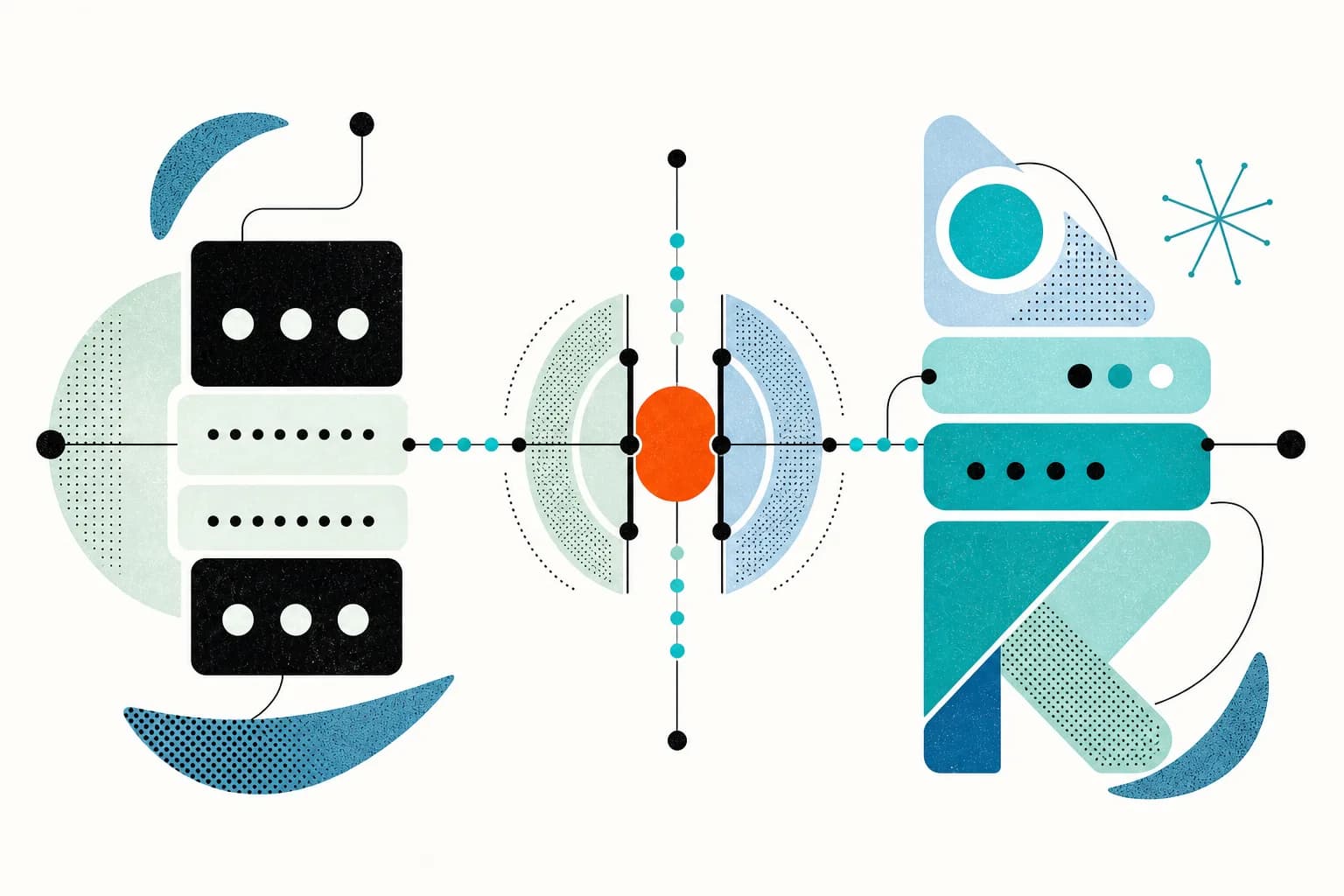
Consistent, repeatable infrastructure starts with treating every environment configuration as code, versioned, reviewed, and deployed through the same governed process as application code. Chromedia provisions cloud infrastructure using Terraform or CloudFormation, establishing version-controlled environment definitions that eliminate configuration drift, accelerate environment creation, and create an auditable history of every infrastructure change. AWS-certified engineers design and govern every IaC module, ensuring infrastructure decisions reflect the system's actual reliability, scalability, and compliance requirements rather than the path of least resistance. For organizations inheriting infrastructure that was provisioned manually or inconsistently, Chromedia codifies the existing environment as a starting point, resolving drift and establishing the IaC foundation that makes future changes safe, auditable, and repeatable.

CI/CD Pipeline Design and Automation
A well-designed delivery pipeline is one of the highest-leverage investments a software team can make. Chromedia designs and implements CI/CD pipelines that automate build, test, security scanning, and deployment workflows, enabling engineering teams to ship with confidence, maintain a consistent release cadence, and recover quickly when a release needs to be rolled back. For teams currently deploying manually or through inconsistent processes, Chromedia designs the pipeline migration in phases that improve delivery reliability progressively without requiring a complete freeze on shipping while the new pipeline is established. Every pipeline is designed by senior engineers around the team's actual delivery requirements, integrating the quality gates, approval workflows, and deployment strategies that the system's risk profile demands.
Container Orchestration with Docker and Kubernetes
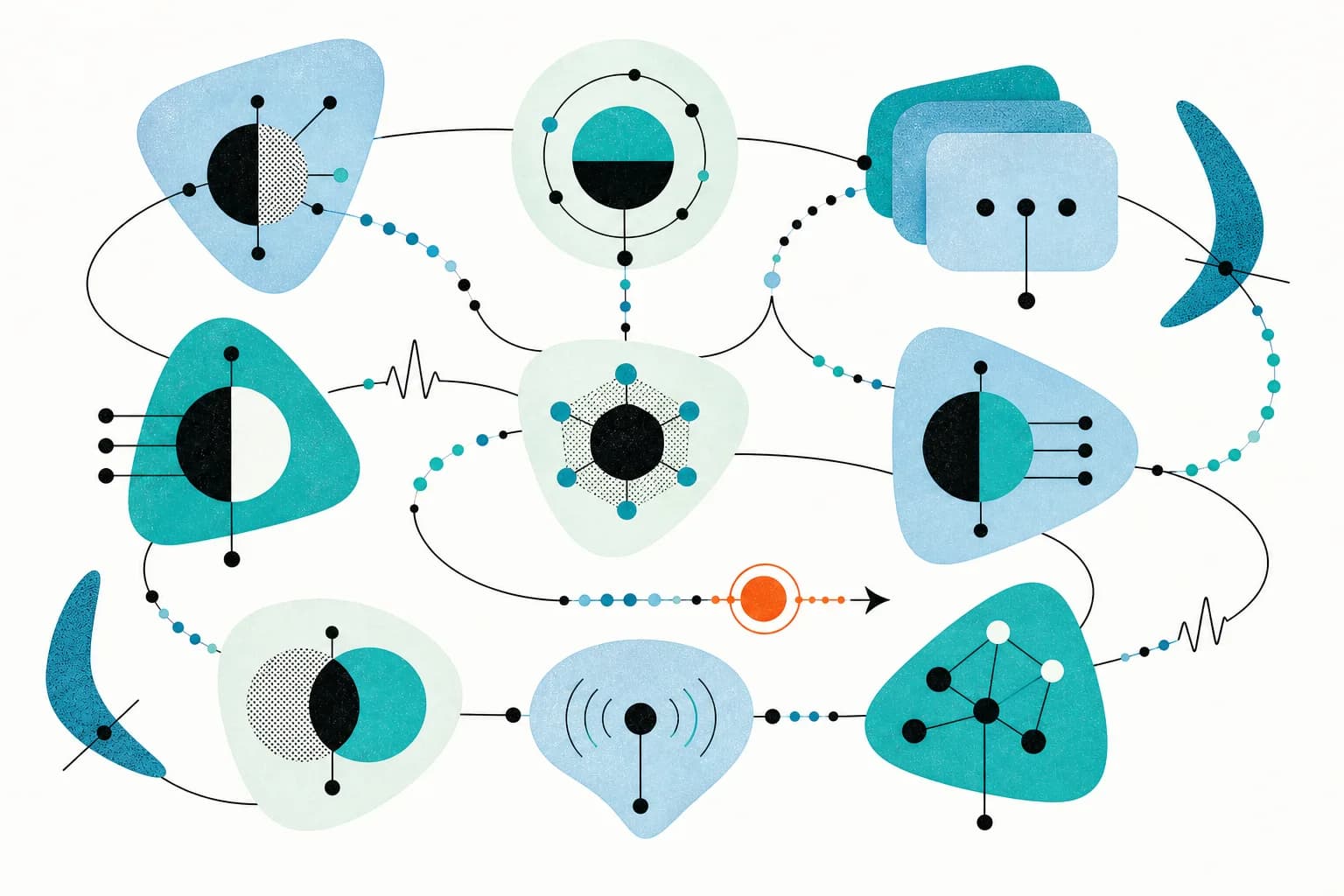
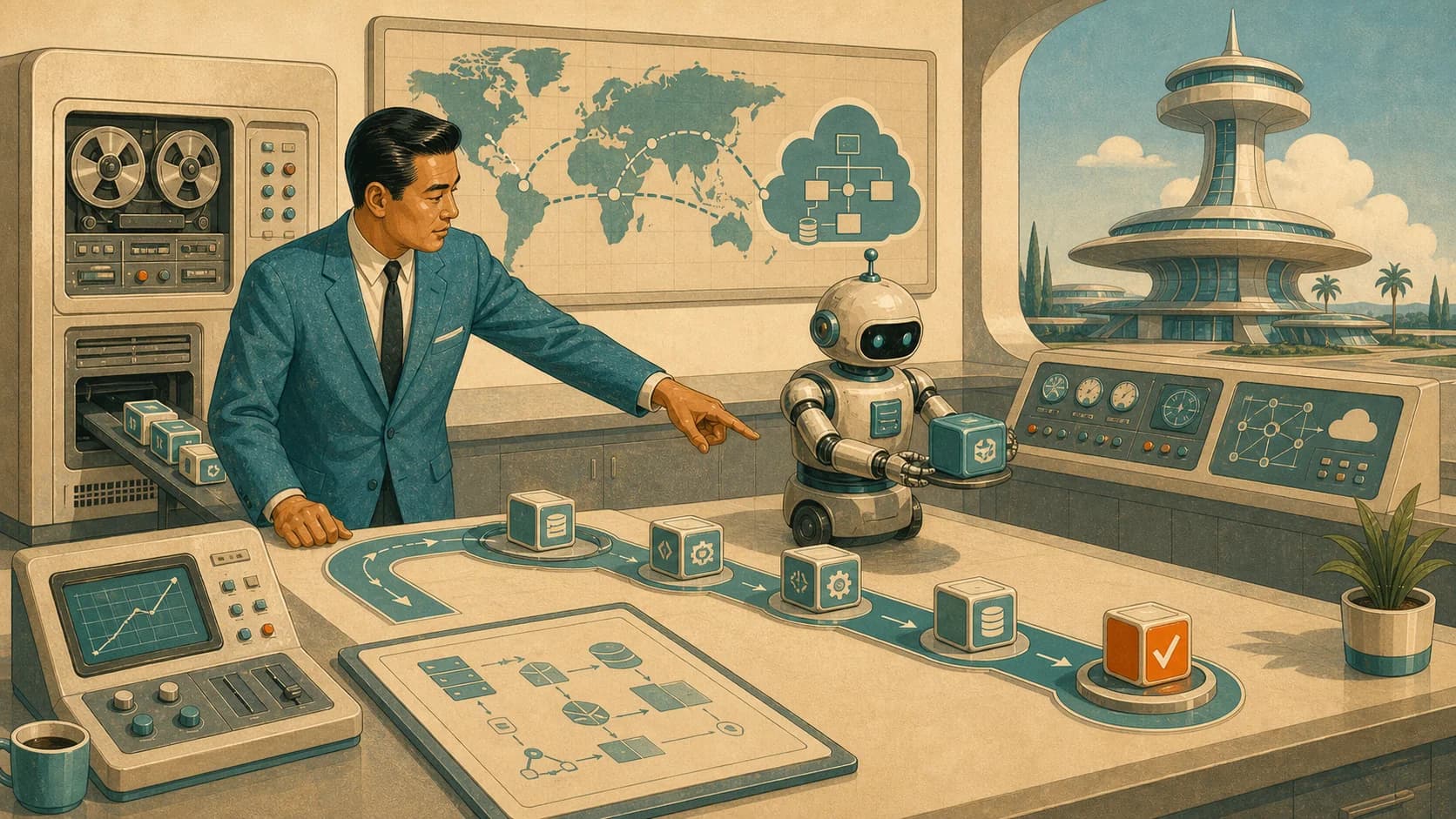
Containerized applications require orchestration infrastructure that manages deployment, scaling, networking, and recovery reliably across the full range of production conditions. Chromedia implements Docker and Kubernetes architectures that deliver seamless container orchestration, automated horizontal scaling, and the resilience patterns that keep containerized workloads available under fluctuating demand. AWS-certified engineers design every container architecture against the application's actual traffic patterns, resource requirements, and availability obligations, ensuring the orchestration layer supports the product reliably as usage grows.
Cloud Architecture and Migration
Moving workloads to the cloud, or optimizing existing cloud infrastructure, requires architecture decisions that balance cost, performance, availability, and operational complexity against the specific requirements of the systems being hosted. Chromedia designs cloud architectures on AWS, Azure, and Google Cloud that match the workload to the right services, establish the networking, security, and access control foundations that enterprise workloads require, and position the infrastructure to scale alongside the product without accumulating the operational debt that poorly structured cloud environments generate over time. For organizations migrating from on-premise or legacy cloud environments, Chromedia manages the migration using a phased approach that maintains availability throughout the process.
DevSecOps and Security by Design
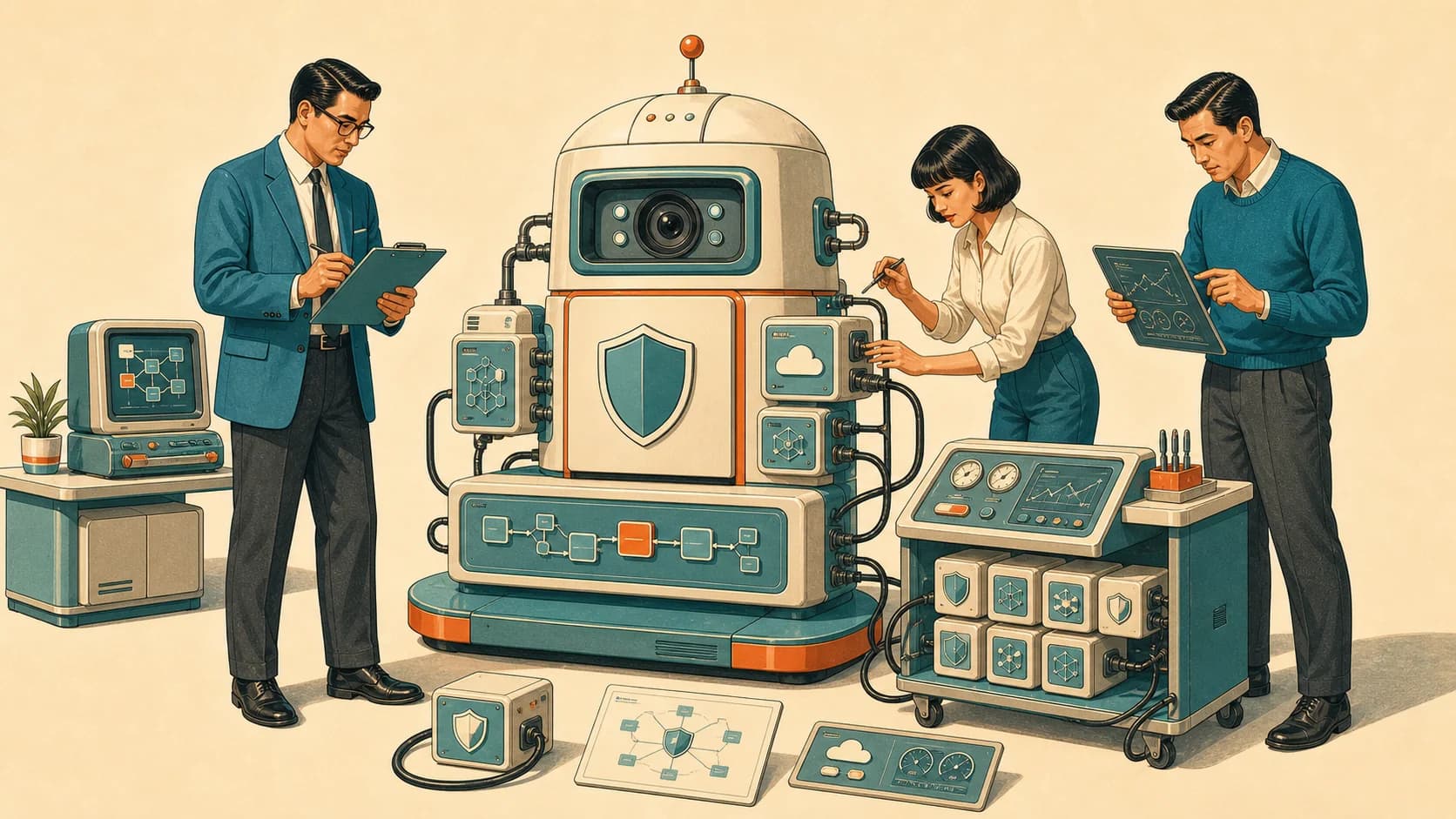
Security embedded early in the delivery lifecycle is orders of magnitude less expensive than security remediated after a vulnerability reaches production. Chromedia embeds DevSecOps practices directly into the CI/CD pipeline, integrating AI-assisted security review of every pull request, automated dependency scanning, static analysis, secrets detection, and infrastructure security validation into the delivery process rather than treating security as a periodic audit. For organizations where security review has been inconsistent or reactive, Chromedia assesses the current security posture honestly, prioritizes the highest-risk exposures, and builds continuous security enforcement into the pipeline incrementally, starting where the risk is highest and expanding coverage systematically. AWS-certified engineers govern the security program, reviewing every finding and prioritizing remediation based on actual risk exposure rather than automated severity scores alone.
Observability, Monitoring, and Incident Response
Infrastructure that is not observable is infrastructure that surprises you in production. Chromedia designs and implements comprehensive observability stacks using Amazon CloudWatch, Prometheus, Grafana, and distributed tracing tools that give engineering teams full visibility into system health, performance characteristics, and the early warning signals that precede incidents. For organizations operating production systems with limited monitoring in place, Chromedia begins with the highest-priority visibility gaps, establishing the baseline observability that makes incident response possible before expanding to the comprehensive monitoring program the system requires. Every observability implementation is designed by senior engineers around the metrics, logs, and traces that matter for the specific system, rather than defaulting to generic dashboards that generate noise without generating insight.
High Availability and Disaster Recovery
Systems that business operations depend on need to remain available when individual components fail, regions experience disruption, or traffic spikes exceed anticipated capacity. Chromedia engineers high-availability architectures with multi-zone redundancy, automated failover, load balancing, and the backup and recovery strategies appropriate to the system's actual recovery time and recovery point objectives. For organizations that have never formally defined or tested their disaster recovery posture, Chromedia conducts an honest assessment of current availability risk, establishes the recovery objectives the business requires, and implements the resilience architecture that meets those objectives in a sequence that protects availability throughout the transition.
Cost Optimization and Cloud Financial Management
Cloud infrastructure that is not actively managed tends to accumulate cost in ways that are invisible until the bill arrives. Chromedia designs cloud architectures with cost efficiency as a primary consideration alongside reliability and performance, selecting the right instance types, storage tiers, and managed services for the actual workload rather than over-provisioning against worst-case scenarios. For organizations inheriting cloud environments where spend has grown without governance, Chromedia conducts a full cost analysis, identifies the highest-impact optimization opportunities, and implements rightsizing, reserved capacity, and architectural changes that reduce spend without compromising the availability and performance standards the system requires.
Building DevOps Infrastructure Into a System That Already Exists
Introducing DevOps practices into a production system that has grown without them is different from building a DevOps program from the ground up, and treating it as the same problem leads to initiatives that create more disruption than they resolve.
The challenge with legacy DevOps gaps is that the system is already in production, users depend on it, and the team cannot stop shipping while the foundation is rebuilt underneath it. Manual deployment processes have become familiar enough that the team works around their limitations rather than replacing them. Security gaps have accumulated in ways that are difficult to fully scope without a dedicated assessment. Infrastructure drift between environments has created inconsistencies that are time-consuming to understand and risky to resolve without careful sequencing. And the monitoring gaps that make incidents hard to diagnose are often the same gaps that make it difficult to understand the full scope of what needs to be addressed.
Chromedia approaches legacy DevOps gaps with a structured triage methodology. We begin by assessing the current state of the delivery pipeline, cloud infrastructure, security posture, and observability coverage, identifying the highest-risk gaps based on production incident history, compliance exposure, and delivery reliability rather than attempting to address everything at once. From there we build DevOps coverage incrementally, starting with the areas that carry the most operational and security risk and expanding systematically as the program matures and the team's confidence in the infrastructure grows.
AI tooling is particularly valuable in this context. AI-assisted infrastructure analysis surfaces configuration drift, security misconfigurations, and cost inefficiencies across large, complex cloud environments faster than manual audit allows, giving AWS-certified engineers the information they need to prioritize remediation work intelligently. AI-accelerated IaC generation compresses the time required to codify existing infrastructure, establishing the version-controlled foundation that makes future changes safe before the full DevOps program is in place.
The result is a DevOps program that meets the system where it is today, improves delivery reliability and security posture measurably from the first phase, and builds toward the comprehensive infrastructure foundation the product needs over time, without requiring the team to stop shipping while the work is done.
How AI Has Changed DevOps and Cloud Engineering



DevOps and cloud engineering looked very different five years ago. Infrastructure provisioning was a largely manual process. Engineers wrote Terraform or CloudFormation templates by hand, configuration drift accumulated between environments because there was no reliable automated way to detect and remediate it, and the gap between what was defined in code and what was actually running in production was a persistent source of incidents and compliance gaps. CI/CD pipeline configuration required specialized knowledge that not every engineering team had depth in, and setting up a robust pipeline with proper quality gates, security scanning, and deployment controls often consumed weeks of dedicated effort before the first automated deployment ran. Security review was a manual process applied at intervals rather than continuously, which meant vulnerabilities lived in codebases for the full gap between reviews before they were discovered. Incident response relied on engineers manually sifting through logs and metrics to identify root causes, a process that was slow, error-prone, and heavily dependent on the individual knowledge of whoever was on call.
The cumulative effect was a DevOps practice that was sound in well-resourced engineering organizations but chronically constrained everywhere else by the manual overhead, specialized expertise requirements, and reactive posture that the tooling of the time demanded. Smaller teams shipped less reliably. Security was inconsistent. Incidents took longer to resolve than the business could absorb comfortably.
AI has changed those constraints in ways that are already meaningfully reshaping how modern DevOps teams operate, though the change is more structural than the surface-level automation narrative suggests. AI has not replaced DevOps engineers. It has removed the ceiling on what a governed DevOps practice can cover, how consistently it can enforce standards, and how quickly it can respond when something goes wrong.
Infrastructure as Code authoring has been transformed by AI tooling that generates Terraform and CloudFormation modules from natural language descriptions of infrastructure requirements, accelerating the translation from architecture decision to deployable configuration significantly. Engineers who previously spent days writing and debugging IaC templates can now generate a working baseline and focus their expertise on the governance, security, and reliability decisions that require senior engineering judgment rather than the mechanical work of translating requirements into provider syntax.
Configuration drift detection has improved from periodic manual audits to continuous AI-assisted monitoring that identifies gaps between defined infrastructure state and actual running state in real time. Drift that previously accumulated undetected between review cycles is now surfaced as it occurs, allowing engineers to remediate configuration inconsistencies before they become security gaps or stability risks rather than discovering them during an incident.
Security review embedded in the delivery pipeline has been transformed by AI-assisted analysis that reviews every pull request for vulnerability patterns, dependency risks, secrets exposure, and infrastructure misconfigurations at a speed and consistency that manual review cannot match across large, fast-moving codebases and infrastructure repositories. Security findings that previously required a dedicated security review cycle to surface are now caught at the point in the development process where they are cheapest and fastest to fix.
Incident triage and root cause analysis has compressed significantly through AI-assisted observability tools that correlate signals across logs, metrics, and traces faster than manual investigation allows, surfacing the most likely root causes and affected components at the start of an incident rather than at the end of a lengthy manual analysis. On-call engineers who previously spent the first hour of an incident navigating dashboards and log queries to understand what was happening can now begin remediation faster, reducing the mean time to resolution that determines how long users experience degraded service.
Cost optimization has moved from periodic manual audits to continuous AI-assisted analysis that surfaces rightsizing opportunities, idle resource waste, and architectural inefficiencies across the full cloud footprint as they accumulate rather than after they have been generating unnecessary spend for months. Engineers govern the remediation decisions, ensuring cost optimizations do not inadvertently compromise the availability and performance the system requires.
Pipeline optimization and reliability has benefited from AI-assisted analysis that identifies bottlenecks, flaky tests, and configuration patterns that slow delivery cycles or introduce instability into the deployment process. Pipeline issues that previously required manual investigation to diagnose are now surfaced with enough context for engineers to understand and address them before they affect the delivery cadence the team depends on.
Capacity planning and scaling decisions have improved through AI-assisted traffic pattern analysis and predictive scaling recommendations that help engineers provision the right capacity ahead of demand rather than reacting to resource exhaustion after it affects users. Autoscaling policies designed with AI-assisted traffic modeling are more precisely tuned to actual usage patterns than those designed against manual estimates alone.
What has not changed is the role of AWS-certified engineering judgment in a DevOps practice. AI generates IaC templates, surfaces security findings, and accelerates incident triage. It does not determine whether a cloud architecture is structured correctly for the availability and cost requirements of the business running on it, evaluate whether a security finding represents a genuine production risk or a false positive that would generate noise in the remediation backlog, govern the disaster recovery decisions that determine how the business responds when infrastructure fails in ways that automated systems cannot handle autonomously, or make the judgment calls about tradeoffs between cost, performance, and reliability that define the quality of a cloud infrastructure program over time. Those decisions still require AWS-certified engineers who understand the infrastructure deeply, the business depending on it, and the long-term consequences of the choices being made.
The DevOps and cloud infrastructure Chromedia delivers today provisions faster, enforces security more consistently, and responds to incidents more quickly than what was achievable before AI tooling matured. The AWS-certified engineers governing every phase of that process are what makes the speed trustworthy and the infrastructure worth depending on.
Common DevOps Challenges and How Chromedia Helps
Even experienced engineering teams face DevOps challenges that are difficult to address while simultaneously managing feature delivery, production support, and security obligations. When DevOps responsibilities are distributed across a team already committed to those demands, the conditions for reactive and inconsistent practices develop gradually and compound over time. Chromedia's DevOps practice is designed to meet teams where they are, whether building infrastructure from the ground up or strengthening a program that has grown inconsistently, and build toward the delivery reliability, security posture, and operational confidence the business depends on.
Engagement Overview
How We Work With You
Flexible engagement models designed to match your delivery goals, internal capabilities, and desired level of control.

Staff Augmentation
Quickly add skilled engineers to your existing team while keeping full control over delivery and priorities.

Dedicated Engineering Teams
A stable, fully dedicated team that operates as your own, without the cost of building one internally.

Managed Software Development
Chromedia owns delivery end-to-end, from architecture to ongoing support, so you can focus on business outcomes.
Why Work with Chromedia?
Bridge Experience & Quality with Affordability
We help you quickly and affordably build a productive AI-forward development team. We provide peace of mind around costs and quality by delivering highly skilled remote employees that can work independently or can integrate seamlessly with your existing technology team.
Human-led AI Development
Our employees follow a governed human-led 8-step AI SDLC, ensuring high-quality, secure, and predictable software delivery. For enterprises seeking full transparency, our proprietary 8-phase AI SDLC is available for detailed review.
Explore the 8-Phase AI SDLCExclusive Focus
Team members do not juggle multiple projects; they are 100% committed to your roadmap.
Long-Term Collaboration
Chromedia's employees are perfect for complex, evolving projects lasting months or years.
Full Control
You retain strategic leadership over product direction and daily tasks, while Chromedia handles HR, payroll, and infrastructure.
Scalability
Rapidly add highly functioning resources without the overhead of direct hiring.
Massive Cost Efficiency
Reduces overhead by 30–60% by eliminating recruitment fees, office space, and employee benefits while converting variable labor costs into predictable monthly fees.
Faster Time-to-Market
High-performing, integrated units can reduce development cycles and get products to users sooner. Established workflows and parallel workstreams further accelerate release cycles.
Deep Domain Knowledge
Stable teams accumulate insights into your specific business and technical architecture over time.
Less than 3% Turnover
We've worked hard to foster our Chromedia Culture by paying our employees above the top of expected local salaries, providing family-focused generous benefits, giving ample time to relax or travel, and providing a fun atmosphere for us all to get together and bond.
Focus on Core Business Strategy
By offloading technical execution to a Chromedia Team, your internal leadership can focus exclusively on high-impact areas like product vision, marketing, and customer acquisition.
Reduced Management Overhead
Chromedia handles day-to-day HR, administrative tasks, and often project management, freeing in-house managers for higher-level strategic work.
Risk Mitigation and Continuity
Chromedia is responsible for the team's performance ensuring the project doesn't stall.
Immediate Access to Experience
Chromedia invests in AI fluency using the latest tools and development standards as our core business, giving clients access to modern tech stacks without the R&D cost.
Built-in Security and Compliance
Chromedia provides out-of-the-box compliance with standards like GDPR and HIPAA.
Access to Fresh Perspectives
External professionals bring diverse experiences and methodologies from various projects and companies, which can foster innovation and introduce new approaches to problem-solving that the in-house team might not have considered.
24/7 Development Cycles and Infra Support
If you want "follow-the-sun" productivity, offshore teams can handle testing, bug fixes, or support overnight.
How Chromedia Works With You to Build DevOps and Cloud Infrastructure
Every DevOps engagement begins with a straightforward path from first conversation to governed, production-ready infrastructure. There is no lengthy procurement process or complicated onboarding overhead. Chromedia moves quickly from discovery to delivery using a human-led approach that keeps every infrastructure and pipeline decision aligned to real business reliability and security requirements, validated by AWS-certified engineers at every stage.
We begin with a strategy call to understand your current infrastructure posture, delivery pipeline maturity, security requirements, availability obligations, and the operational outcomes you are trying to achieve. This is a working conversation. By the end of discovery, Chromedia has a clear picture of your infrastructure gaps, your highest-risk operational exposures, your compliance requirements, and what a successful DevOps engagement looks like for your organization, whether that means building from the ground up or improving a program that already exists.
The Chromedia Difference
AI has made it easier than ever to build software quickly. What has not changed is what separates products that scale from ones that stall: the quality of the engineering judgment, architecture, and governance applied along the way.
Chromedia combines the speed advantages of AI-accelerated development with the senior expertise, structured delivery, and technical rigor that production-grade software demands. Whether you're starting from scratch, inheriting a vibe-coded codebase, or scaling a product that's outgrown its original architecture, we help organizations build software that moves fast and holds up now and as requirements evolve.
Schedule a DevOps Strategy Call