Services›UI/UX Design
UI/UX Design Services for Intuitive, High-Performance Digital Experiences
Research-driven, conversion-focused UI/UX design that bridges the gap between sophisticated business logic and the intuitive experiences users adopt, return to, and recommend.














Great Design Is Not Only What Users See, It's What They Feel.
Great design is not decoration. It is the layer of a product that determines whether users understand what to do, trust what they see, complete the workflows that matter, and come back the next day. The difference between a product users adopt and one they abandon is rarely the feature set. It is almost always the experience.
Chromedia designs digital experiences that connect business goals to user behavior, translating complex workflows, data-rich interfaces, and sophisticated business logic into interfaces that feel intuitive to the people who use them every day. Our approach is research-grounded and human-led at every stage, with senior designers making every experience decision, governing every interaction pattern, and validating every design against real user behavior before it reaches engineering. AI tooling accelerates research synthesis, prototyping, and iteration cycles, compressing the time between insight and validated design without removing the craft, empathy, and strategic judgment that meaningful UX work demands.
Design That Connects Business Goals to User Behavior
UI/UX design creates the most long-term value when it is grounded in real user research, aligned to genuine business outcomes, and structured to guide users through the workflows that matter most, rather than optimized for how a product looks in a presentation or a static mockup. Chromedia begins every design engagement with user research, workflow mapping, and business goal alignment so every design decision reflects how real users actually think, navigate, and complete meaningful tasks in the context of their actual work and lives.
That foundation is what allows AI-accelerated design workflows to move quickly without losing the strategic grounding that separates effective UX from aesthetically pleasing interfaces that users find confusing in practice. When research insights, user mental models, and business logic constraints are established clearly upfront, AI tooling can compress prototype generation, competitive analysis, and usability testing cycles without producing designs that look polished but fail when real users encounter them. Senior designers govern every output, reviewing for usability, accessibility, business logic alignment, and the interaction quality that earns user trust before any design enters the engineering handoff.
UI/UX Design Services
User Research and Experience Strategy
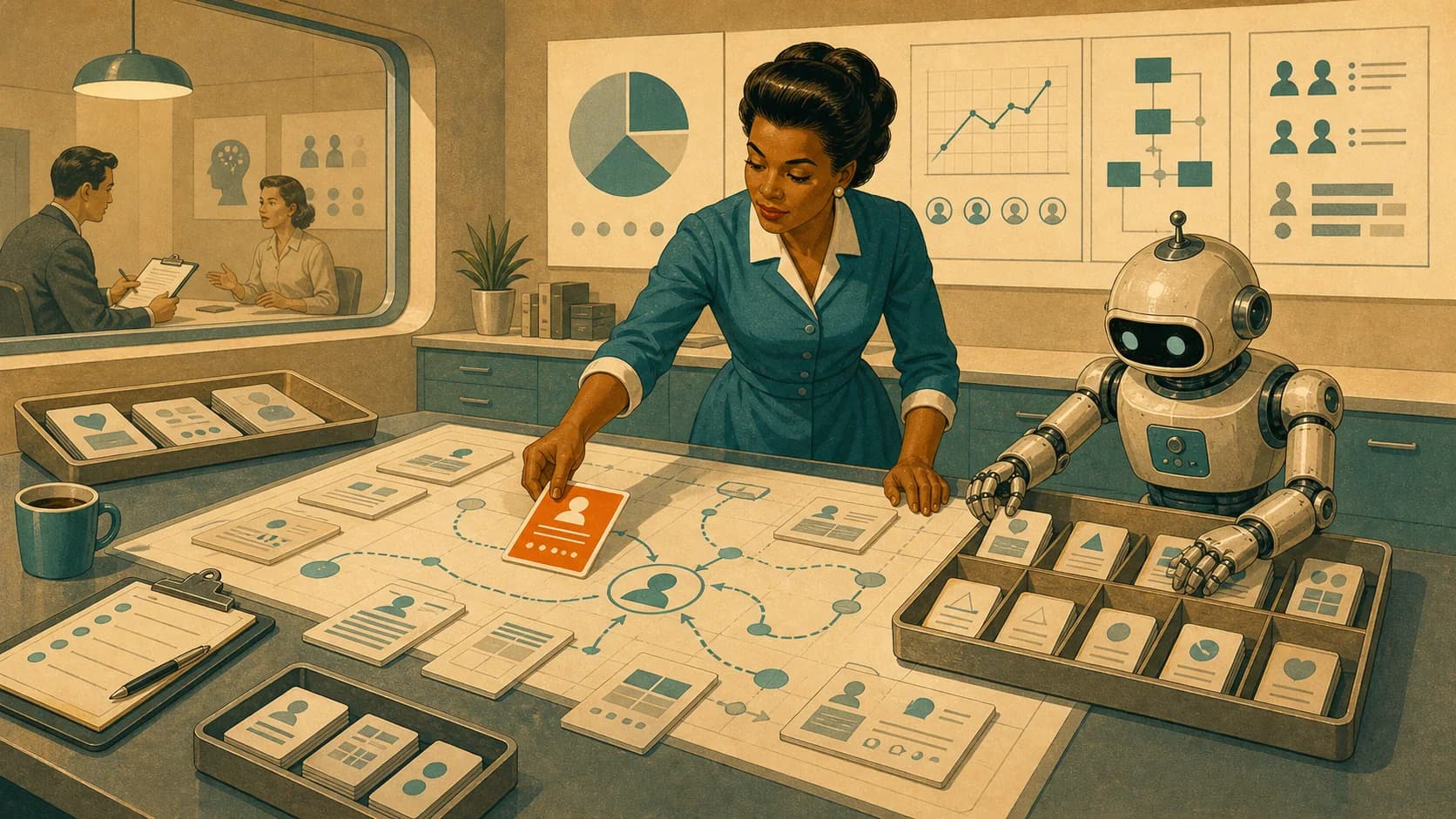
Design decisions made without user research are assumptions about user behavior presented as conclusions. Chromedia conducts qualitative and quantitative user research, including interviews, contextual inquiry, usability testing, behavioral analytics review, and jobs-to-be-done analysis, to ground every design decision in evidence rather than intuition. Senior designers interpret every finding, challenge assumptions, and translate insights into experience strategy that the rest of the design process builds on.
Information Architecture and Navigation Design
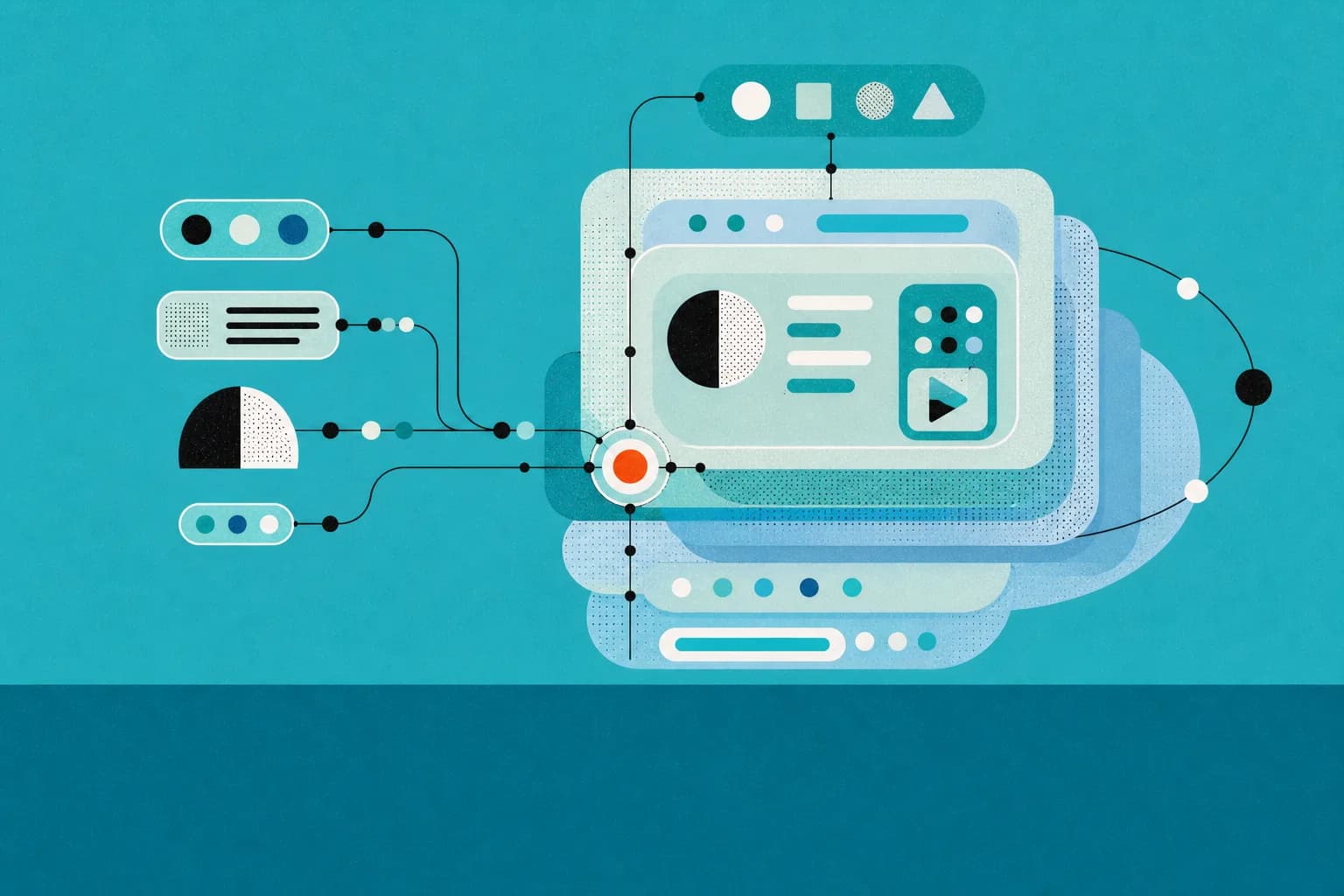
How a product is organized determines whether users can find what they need, understand where they are, and complete the tasks they came to accomplish. Chromedia designs information architectures through card sorting, tree testing, and workflow mapping exercises that reflect how real users mentally model the product, not how the internal team thinks about it. Every navigation structure and content hierarchy is reviewed by senior designers against the research findings and business workflow requirements before any visual design work begins, ensuring the product's structure supports the experience rather than working against it.
Interaction Design and Prototyping
Interaction design is where the functional and the experiential meet. Chromedia designs interaction patterns, micro-interactions, transition behaviors, and feedback mechanisms that guide users through complex workflows with clarity and confidence, reducing cognitive load at every step. Senior designers govern every interaction decision, reviewing prototypes against usability heuristics, accessibility standards, and the specific workflow requirements of the engagement before any design advances to engineering.
Visual Design and Brand Expression
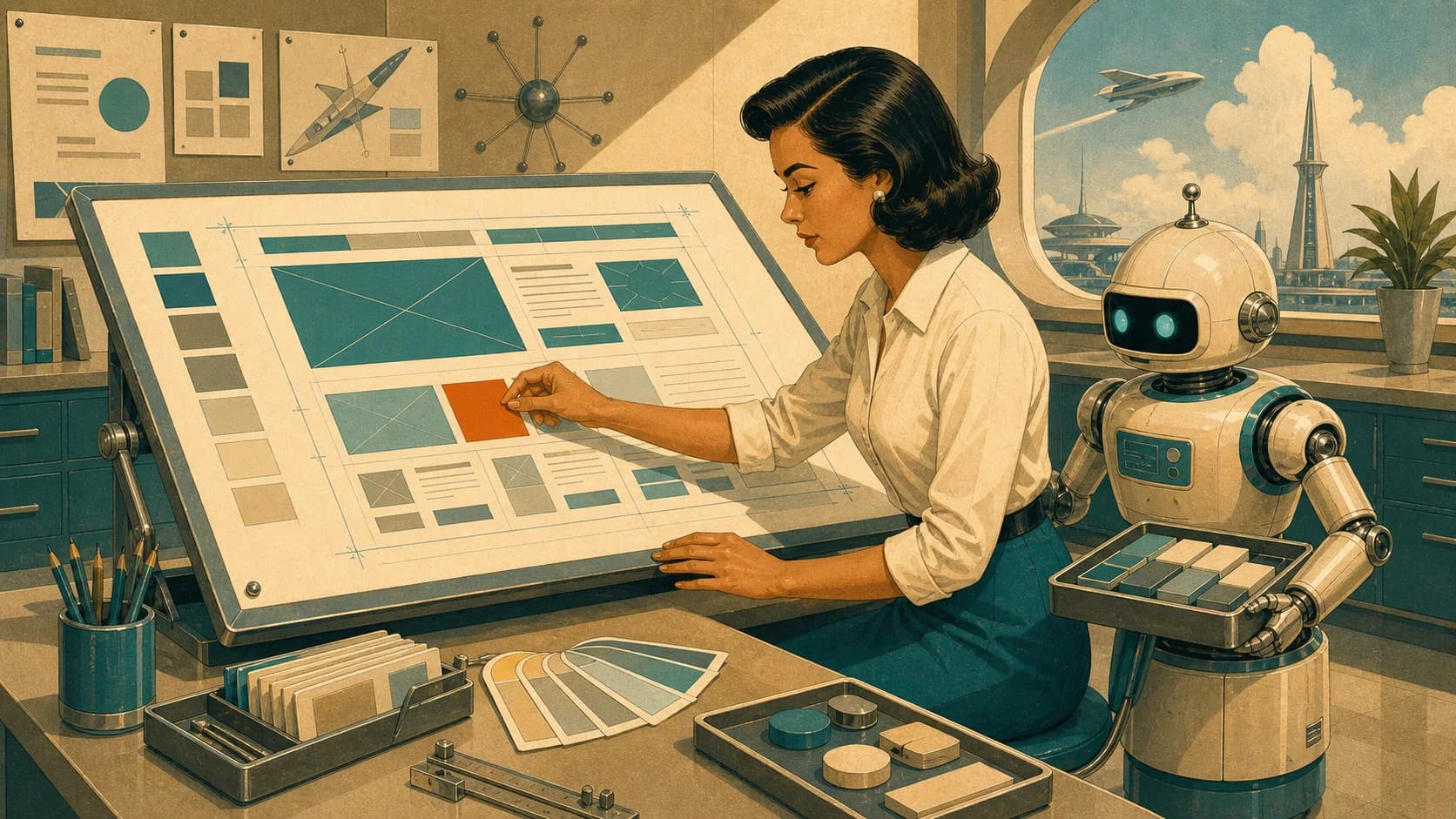
Visual design is the layer that communicates trust, establishes brand character, and creates the aesthetic quality that users associate with product quality. Chromedia designs visual systems that balance brand expression with usability, creating interfaces that are distinctive without being difficult and polished without being inaccessible. Every visual design decision is made by senior designers who understand the relationship between visual hierarchy, cognitive load, and conversion, and who review every screen against accessibility contrast requirements and responsive behavior expectations before the design is considered production-ready.
Design Systems and Component Libraries
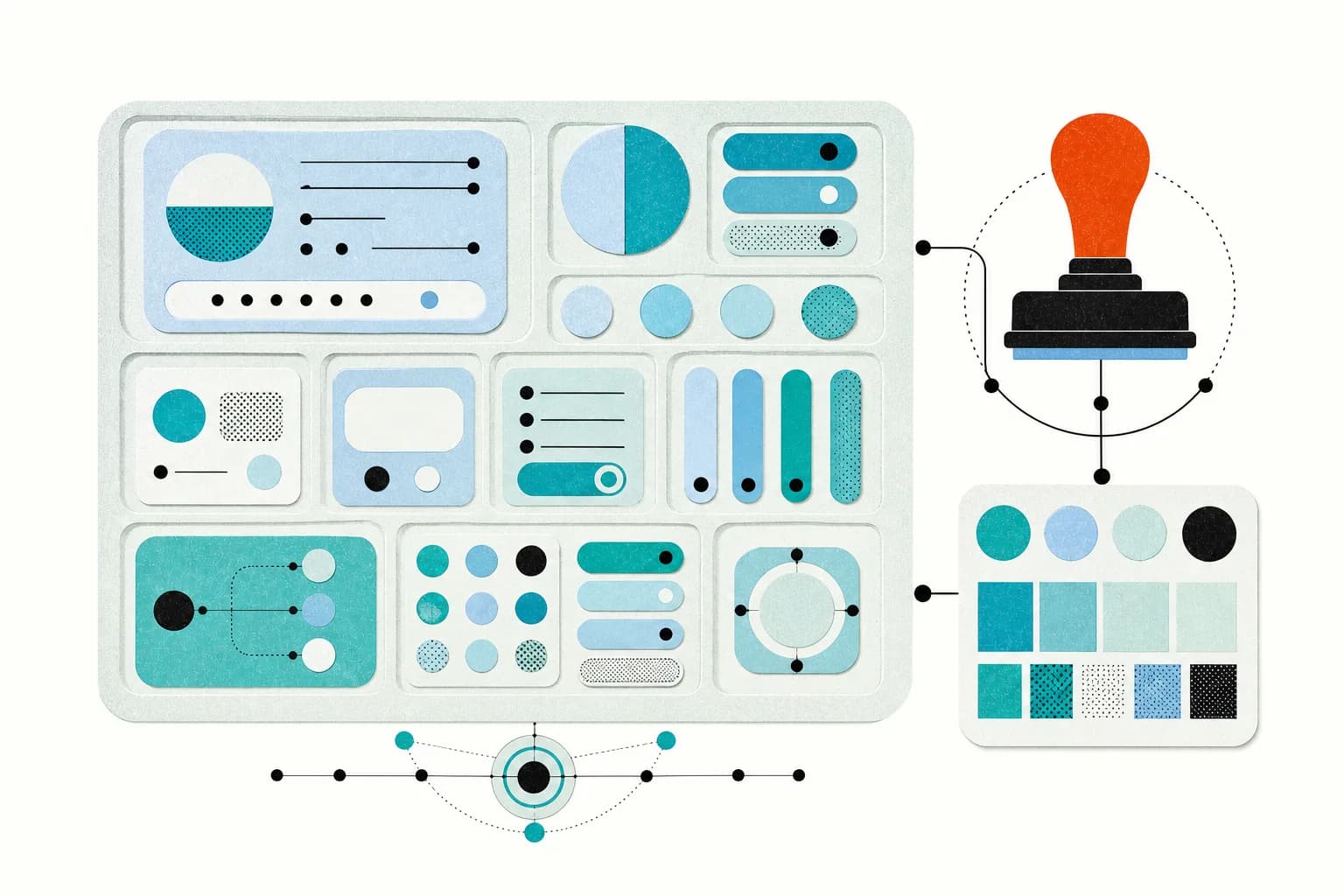
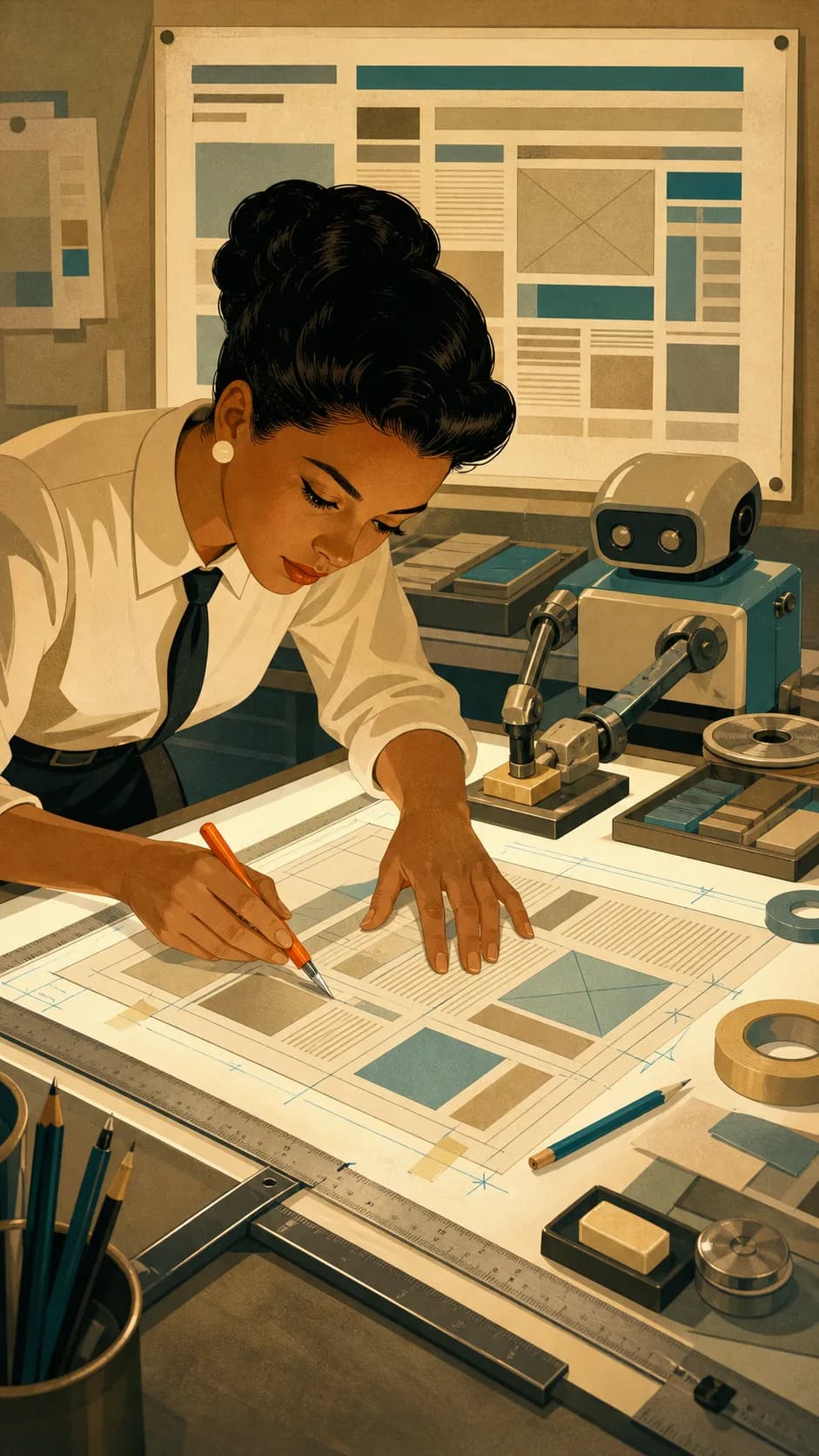
A product designed without a shared design system creates inconsistency that compounds as the team and feature set grow. Chromedia builds design systems that establish a shared visual language across the entire product, defining component specifications, design tokens, spacing systems, typography scales, color palettes, and interaction states in a form that engineering teams can implement consistently and design teams can extend confidently. Every design system is built with accessibility, developer handoff quality, and long-term maintainability as primary requirements, and governed by senior designers who review every addition before it enters the system.
Usability Testing and Validation
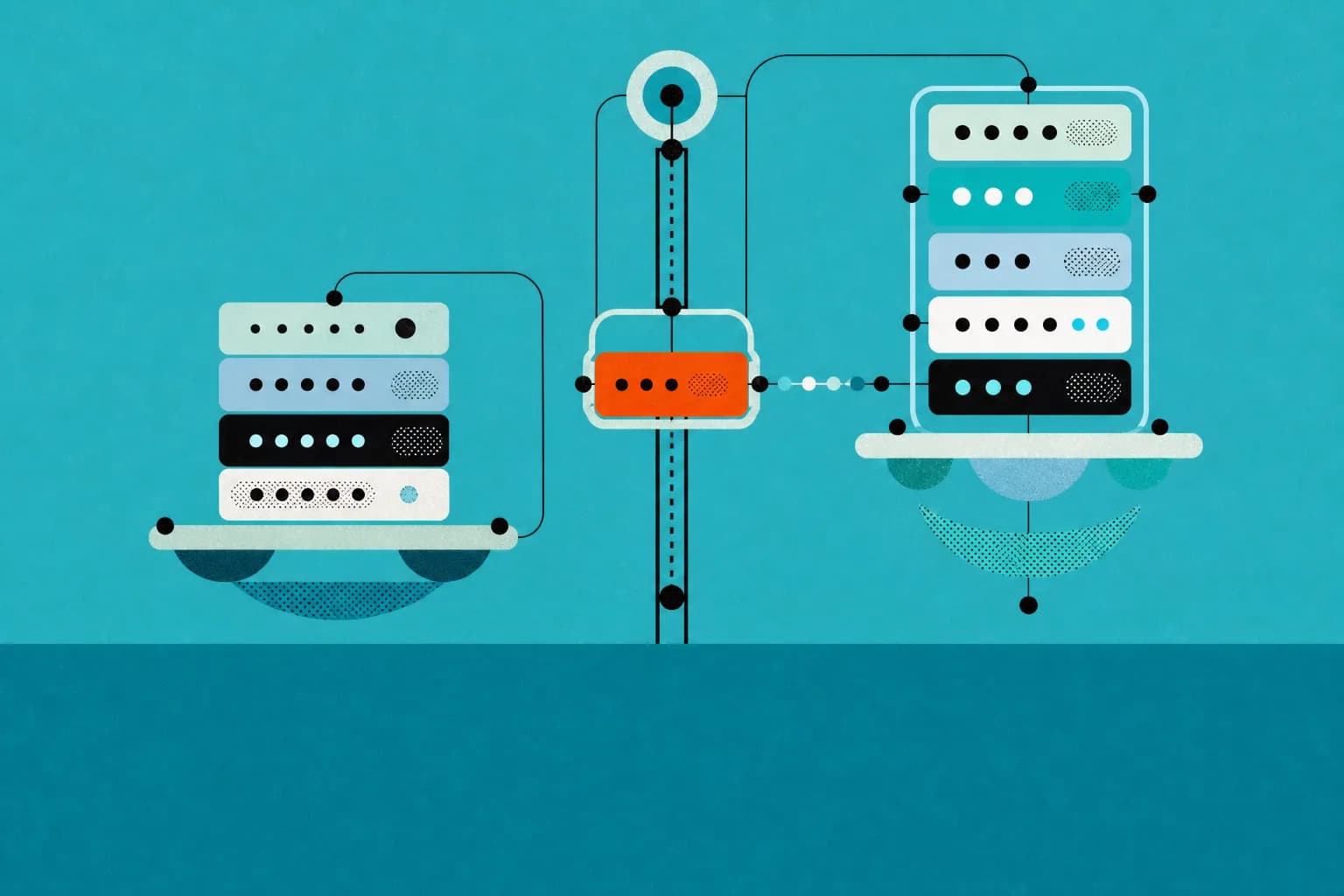
Design decisions that have not been tested with real users are hypotheses, not conclusions. Chromedia conducts moderated and unmoderated usability testing at key design milestones, putting prototypes and production interfaces in front of real users to validate navigation patterns, workflow clarity, and task completion rates before engineering investment is committed to a direction. Senior designers review every finding and determine the appropriate design response before the next phase begins.
Accessibility Design
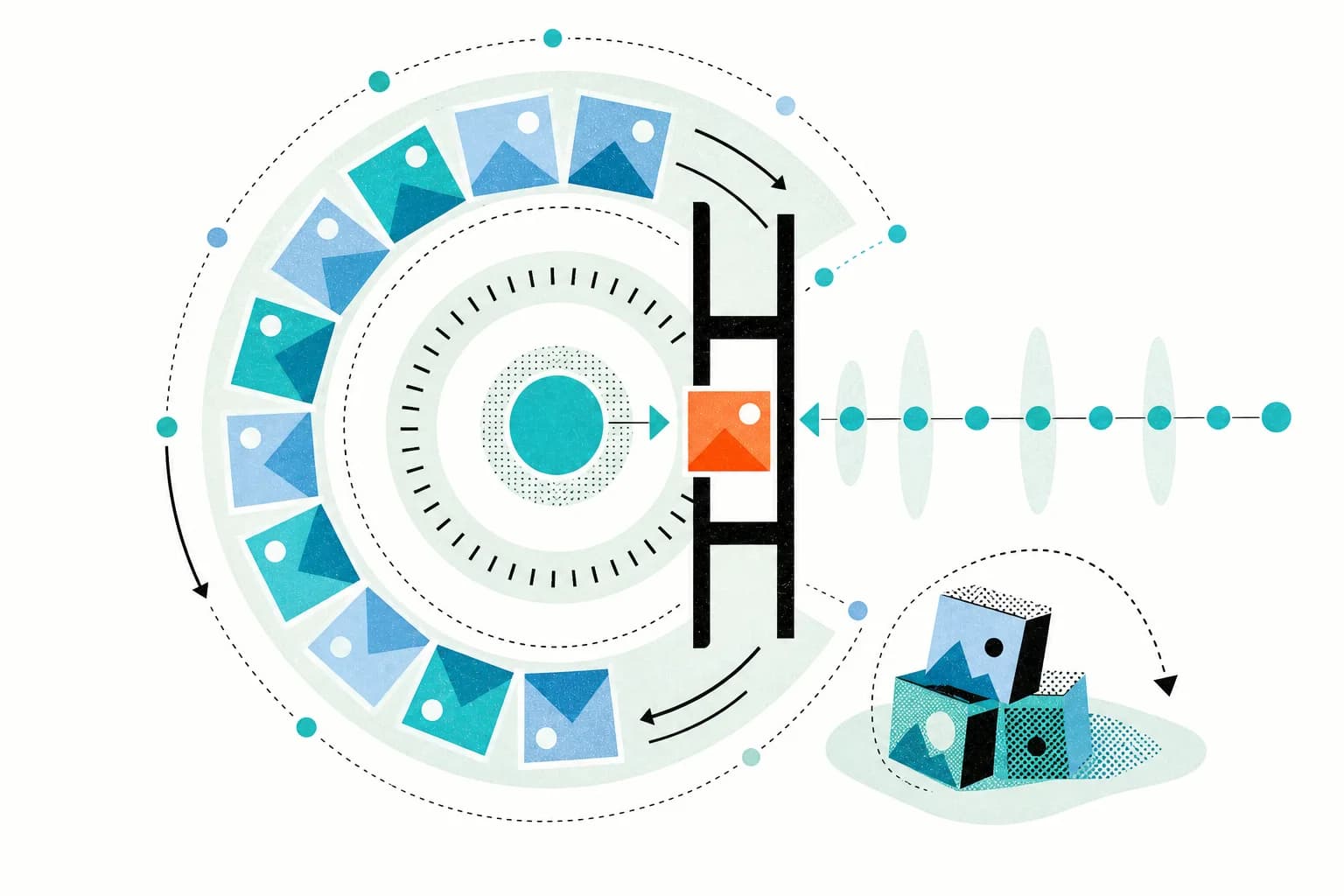
Accessible design is not a compliance exercise. It is a design quality standard that makes products usable by the widest possible audience and improves the experience for every user in the process. Chromedia designs to WCAG standards from the first design decision, building color contrast requirements, keyboard navigation patterns, screen reader compatibility, and focus management into the design system rather than auditing for them after visual design is complete. Senior designers review every component and screen against accessibility requirements before engineering handoff, and AI-assisted accessibility scanning supplements manual review to identify gaps across the full component library at a scale and consistency that manual review alone cannot match.
UX for AI-Powered Products
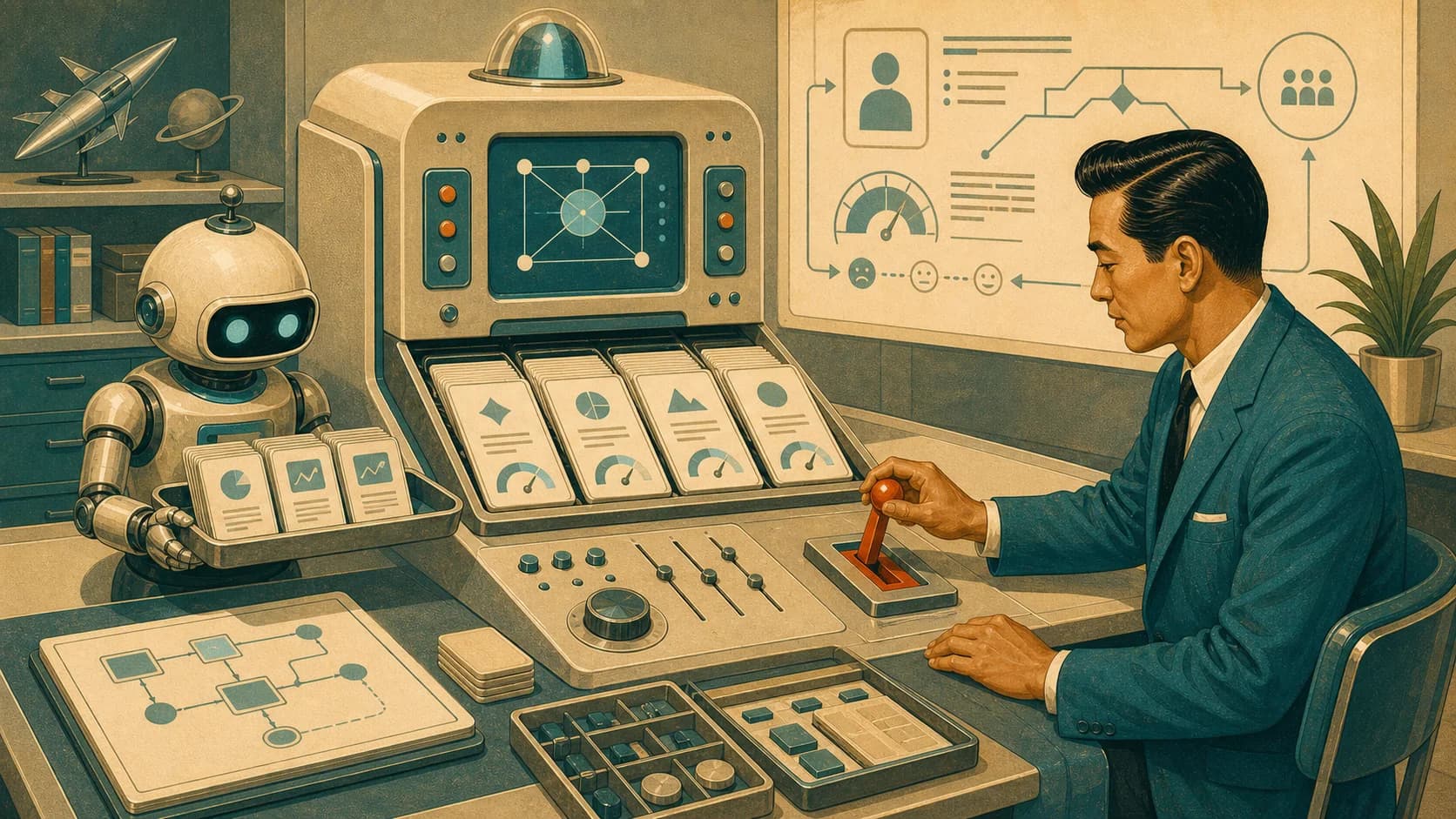
Designing user experiences for AI-powered features requires a set of design considerations that standard interaction design patterns do not fully address. Users need to understand what the AI is doing, why it is making the suggestions or decisions it is making, when to trust it, and how to override or correct it. Chromedia designs AI feature experiences with transparency, appropriate confidence communication, clear human override mechanisms, and the feedback loops that allow users to calibrate their trust in AI-generated outputs over time. Every AI UX decision is governed by senior designers who understand both the capabilities and the limitations of the underlying systems, ensuring the experience sets accurate expectations and builds genuine user confidence rather than eroding it.
How AI Has Changed UI/UX Design


UI/UX design looked very different five years ago. User research was a time-intensive discipline that required significant scheduling overhead, manual synthesis, and weeks of analysis before insights were ready to inform design decisions. Competitive analysis meant hours of manual documentation, screenshotting interfaces, and cataloging patterns by hand. Prototyping was a sequential process where designers produced static mockups, handed them to developers for interactive prototype construction, and waited for something testable to put in front of users. Iteration cycles were long because each round of changes required significant manual production effort before the next round of user feedback could begin. Design systems were built component by component over months, with each addition requiring careful manual specification of every state, variant, and interaction before it could be handed off to engineering with confidence. Accessibility was almost always evaluated after visual design was complete, at the point where remediation was most expensive and most disruptive to the design that had already been approved.
The cumulative effect was a design process that was thorough when time permitted but chronically constrained by the manual production overhead that sat between insights and validated decisions. Research took too long to influence early design directions. Prototypes took too long to put in front of users. Design systems took too long to build and fell behind the product they were meant to govern. And the gap between design intent and engineering implementation was a persistent source of rework that neither discipline had a reliable way to close.
AI has changed those constraints in ways that are already reshaping how serious design teams operate, and the change runs deeper than productivity gains on individual tasks. AI has not replaced designers. It has removed the production overhead that previously prevented design from operating at the speed and depth that good product decisions require.
Research synthesis is one of the most meaningful early shifts. AI tooling processes large volumes of qualitative research data, interview transcripts, usability session recordings, support ticket patterns, and behavioral analytics, surfacing themes, contradictions, and user mental models faster than manual affinity mapping allows. Research that previously required days of synthesis work to translate into actionable insight can now be analyzed and organized in hours, allowing senior designers to spend more time interpreting findings and challenging assumptions than cataloging them. The insights are richer because the synthesis is faster, and design directions are grounded in evidence earlier in the process than manual research workflows typically allow.
Competitive and pattern analysis has compressed from a multi-day manual documentation exercise into something that can be completed in a fraction of the time, giving design teams a broader and more current view of the interaction patterns, information architectures, and visual conventions that users bring as expectations to a new product. Senior designers interpret those patterns against the specific context of the product being designed rather than adopting them wholesale, but having them surface quickly changes what is feasible to consider during the strategic design phase.
Prototyping and iteration has changed perhaps more than any other part of the design process. AI tooling generates interactive prototype scaffolding from design specifications significantly faster than manual production allows, compressing the time between a design direction and something testable in front of real users. Iteration cycles that previously spanned weeks now span days. Design teams can run more rounds of user validation within the same timeline, which means the design that reaches engineering has been tested against real user behavior more thoroughly than was previously practical. The decisions being handed off are better informed because the feedback loop has tightened.
Design system construction has been transformed by AI-assisted component generation that produces the full range of states, variants, interaction specifications, and accessibility annotations that a production-ready component requires, in a fraction of the time manual specification is consumed. Design systems that previously required months to build from scratch can now reach a useful foundation much faster, and the ongoing maintenance work that historically caused design systems to fall behind the product they governed is more manageable when AI handles the production overhead of adding and updating components. Senior designers govern every component that enters the system, reviewing for usability, accessibility, and design language consistency before anything is handed to engineering.
Accessibility evaluation has moved earlier in the process, which is where it creates the most value. AI-assisted scanning identifies contrast failures, missing interaction states, touch target sizing issues, and ARIA specification gaps during the design phase rather than after engineering has implemented a direction that needs to be unwound. Catching accessibility issues in design is orders of magnitude less expensive than catching them in production, and AI tooling makes it practical to evaluate accessibility continuously rather than periodically.
Personalization and AI-powered feature design has introduced an entirely new set of design challenges that did not exist at scale before. Designing experiences where the interface is partially or fully generated by AI, where content is personalized to individual users, or where an AI agent is taking actions on a user's behalf requires design thinking that standard interaction design patterns do not address. How does a user understand what the AI is doing? How do they know when to trust it? How do they correct it when it is wrong? How does the interface communicate confidence and uncertainty without creating anxiety or false reassurance? These are genuinely new design problems, and the teams best positioned to solve them are those who understand both the capabilities of the underlying AI systems and the psychological dynamics of how users build and calibrate trust in technology they cannot fully see or understand.
Usability testing at scale has become more accessible through AI-assisted participant recruitment, session moderation support, and finding synthesis that reduces the overhead of running frequent testing rounds. Design teams that previously ran formal usability testing at major milestones because of the logistics involved can now test more frequently and with more targeted questions, catching usability issues earlier and with greater specificity about where the experience is breaking down.
What has not changed is the role of senior design judgment in a product experience. AI synthesizes research, generates prototypes, and expands component coverage. It does not determine whether an information architecture reflects how real users think about a problem domain, evaluate whether an interaction pattern genuinely reduces the cognitive load of a complex workflow, govern the visual and brand decisions that determine whether a product communicates trust and quality to its intended audience, or make the empathetic design judgments that come from genuinely understanding the person on the other side of the interface. Those decisions still require experienced designers who understand the user, the business context, and the long-term consequences of the experience being created.
The design work Chromedia delivers today is more thoroughly researched, more rapidly validated, and more consistently accessible than what was achievable before AI tooling matured. The senior designers governing every phase of that process are what makes the speed meaningful and the craft worth trusting.
Common UI/UX Design Challenges and How Chromedia Helps
Even strong internal design teams face challenges that are difficult to address while managing ongoing feature design, stakeholder review cycles, and the production support demands that mature products create. Chromedia's design practice is designed to meet teams where they are and build toward the research grounding, system consistency, and accessibility standards that products depend on to earn and maintain user trust.
Engagement Overview
How We Work With You
Flexible engagement models designed to match your delivery goals, internal capabilities, and desired level of control.
Staff Augmentation
Quickly add skilled engineers to your existing team while keeping full control over delivery and priorities.
Dedicated Engineering Teams
A stable, fully dedicated team that operates as your own, without the cost of building one internally.
Managed Software Development
Chromedia owns delivery end-to-end, from architecture to ongoing support, so you can focus on business outcomes.
Why Work with Chromedia?
Bridge Experience & Quality with Affordability
We help you quickly and affordably build a productive AI-forward development team. We provide peace of mind around costs and quality by delivering highly skilled remote employees that can work independently or can integrate seamlessly with your existing technology team.
Human-led AI Development
Our employees follow a governed human-led 8-step AI SDLC, ensuring high-quality, secure, and predictable software delivery. For enterprises seeking full transparency, our proprietary 8-phase AI SDLC is available for detailed review.
Explore the 8-Phase AI SDLCExclusive Focus
Team members do not juggle multiple projects; they are 100% committed to your roadmap.
Long-Term Collaboration
Chromedia's employees are perfect for complex, evolving projects lasting months or years.
Full Control
You retain strategic leadership over product direction and daily tasks, while Chromedia handles HR, payroll, and infrastructure.
Scalability
Rapidly add highly functioning resources without the overhead of direct hiring.
Massive Cost Efficiency
Reduces overhead by 30–60% by eliminating recruitment fees, office space, and employee benefits while converting variable labor costs into predictable monthly fees.
Faster Time-to-Market
High-performing, integrated units can reduce development cycles and get products to users sooner. Established workflows and parallel workstreams further accelerate release cycles.
Deep Domain Knowledge
Stable teams accumulate insights into your specific business and technical architecture over time.
Less than 3% Turnover
We've worked hard to foster our Chromedia Culture by paying our employees above the top of expected local salaries, providing family-focused generous benefits, giving ample time to relax or travel, and providing a fun atmosphere for us all to get together and bond.
Focus on Core Business Strategy
By offloading technical execution to a Chromedia Team, your internal leadership can focus exclusively on high-impact areas like product vision, marketing, and customer acquisition.
Reduced Management Overhead
Chromedia handles day-to-day HR, administrative tasks, and often project management, freeing in-house managers for higher-level strategic work.
Risk Mitigation and Continuity
Chromedia is responsible for the team's performance ensuring the project doesn't stall.
Immediate Access to Experience
Chromedia invests in AI fluency using the latest tools and development standards as our core business, giving clients access to modern tech stacks without the R&D cost.
Built-in Security and Compliance
Chromedia provides out-of-the-box compliance with standards like GDPR and HIPAA.
Access to Fresh Perspectives
External professionals bring diverse experiences and methodologies from various projects and companies, which can foster innovation and introduce new approaches to problem-solving that the in-house team might not have considered.
24/7 Development Cycles and Infra Support
If you want "follow-the-sun" productivity, offshore teams can handle testing, bug fixes, or support overnight.
How Chromedia Works With You to Design Digital Experiences
Every design engagement begins with a straightforward path from first conversation to validated design. There is no lengthy procurement process or complicated onboarding overhead. Chromedia moves quickly from discovery to delivery using a human-led approach that keeps every design decision aligned to real user behavior and business outcomes, validated by senior designers at every stage.
We begin with a strategy call to understand your product goals, target users, existing design assets, competitive context, and the business outcomes the experience needs to support. This is a working conversation. By the end of discovery, Chromedia has a clear picture of your users, your workflows, your brand requirements, your accessibility obligations, and what a successful design engagement looks like for your organization.