Solutions›API Development
API Development Services for Secure, Scalable System Integration
Connect systems, power AI workflows, and build the integration foundation your business depends on, with API-first architecture, zero-trust security, and governance embedded from day one.













The Integration Layer Your Business Runs On
Modern products and enterprise operations run on APIs. Every mobile app, cloud service, AI workflow, partner integration, and internal system connection depends on APIs that are well-designed, secure, and built to evolve without breaking what already works.
Chromedia designs and builds APIs that connect the systems, data, and applications your business depends on, whether that means enabling a mobile product, exposing legacy business logic, integrating AI services, or building the interoperability layer that ties your technology ecosystem together. Every API is designed API-first, meaning contracts, versioning strategy, and security controls are defined before implementation begins, so the integration foundation is sound from the first endpoint and ready to scale as your product and operations grow.

Companies That Trust Chromedia
“Every engineer and product manager we had at Chromedia was both responsive and could be counted on to deliver. Every time.


Tyler Barber
CTO and Co-founder, Cruisebound
“They consistently produce solutions that are better than we had originally envisioned. They're very reasonably priced for the quality, speed, and value that we receive.


Linda Bernier
CEO, Spoke Health
“Their consistency stands out. Chromedia delivers what they say they're going to deliver in the timeframe and budget they promise. It's important as a business owner to be able to count on a partner like them.


Kevin Merritt
Owner, One Foot Productions
“For years we struggled to find a software development partner with the in house knowledge to build a high-quality product. Chromedia will help you tackle your software problems so you can focus on building your business.

Jenn Dederich
CEO and Owner, Portland Pedal Power
“It feels like we're one team. I'm very comfortable with them.


Leodus Thomas
CEO, Styleteq
“Keeping our clients happy is critical. Ensuring that our company is front-and-center in their minds is incredibly important, too. Using Fluid, we have improved our customer success operations considerably and contributed to more references, more revenue, and a better client experience.

Scott S.
Senior Manager, Customer Success, Fluid Gifts
“I find their developers to be more productive and communicative than many of the developers I've worked with in the US. I would highly recommend this team if you need any type of outsource help.


Keith Bristol
COO, iFlipd
“The product quality and experience with HIPAA compliance is extremely important, but really, it's that cultural alignment and the understanding of startups that made the decision easy to work with a boutique firm like Chromedia.


Richard Coyte
CEO, MEDtrip
“The team consistently exceeded expectations with not only their technical expertise but their ability to build relationships.


Jason Kallas
CEO, Hatch Marketing Plans
“Working with Chromedia, Inc. has been an absolute pleasure.

Seth Poche
Director, Cambium Networks
“Chromedia is great to work with. Their team members are knowledgeable, reliable, have great communication skills, and always meet their deadlines.
Bre Legler
Marketing Manager, MRIoA
“The team was consistently available to jump into a meeting regardless of short notice and differing time zones.

Michael Kemple
Director, EagleScreen
“Chromedia's efforts were met with unanimous acclaim. Customers can expect a responsive team that adapts to their customers' needs.


Jeff Donnici
CTO, GeoLens
“Chromedia is uniquely capable of finishing our project in good form. Our product will be 1000% better because of their work.


Adam Rentschler
CEO and Co-founder, Valid Eval
API-First Architecture Built for How Your Business Actually Operates
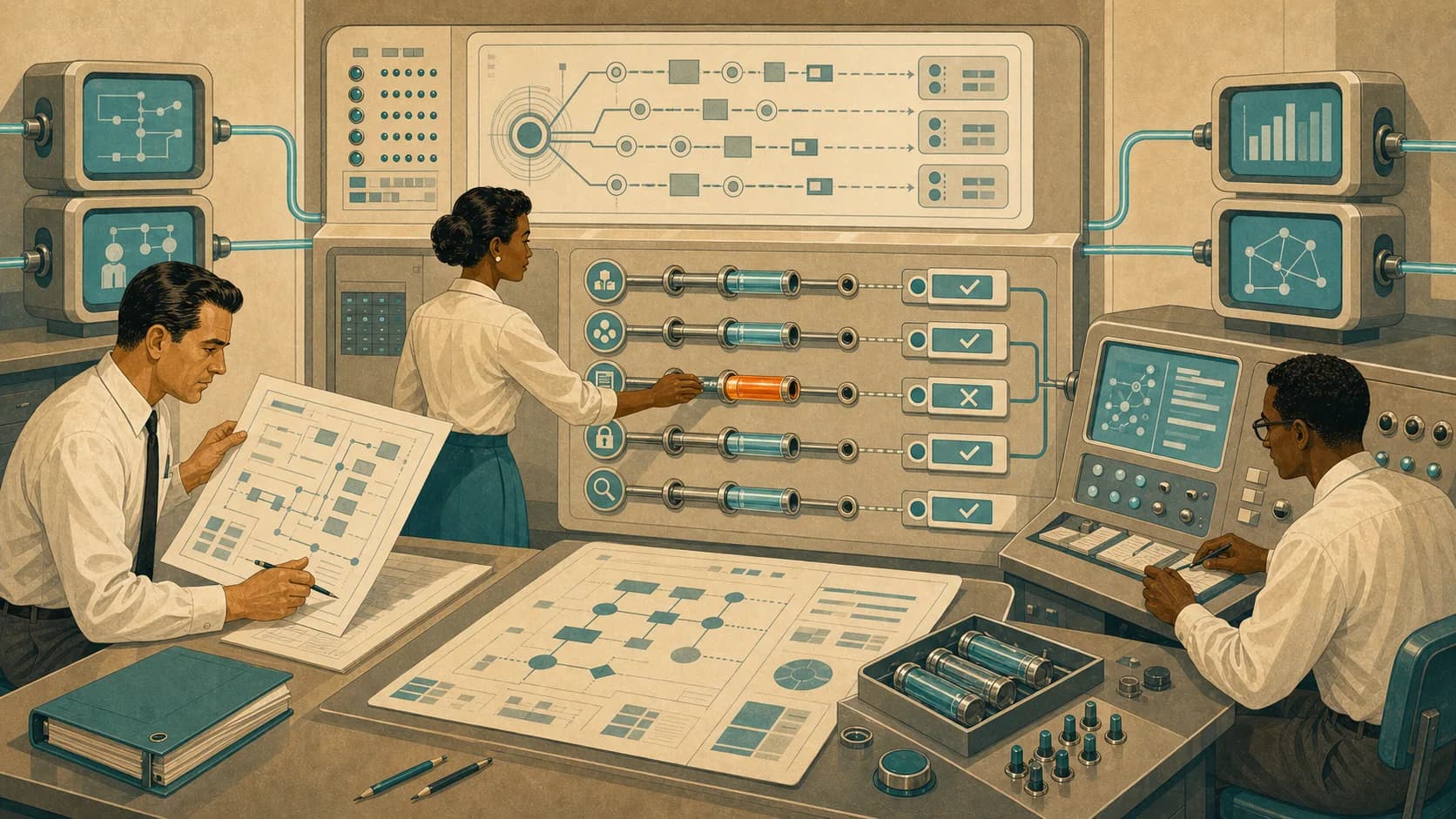
APIs create the most long-term value when they are designed around real business workflows. Chromedia begins every API engagement with business workflow alignment, resource modeling, versioning strategy, and dependency mapping so the interface design reflects how your systems, teams, and users actually operate before a single line of implementation code is written.
AI-accelerated engineering is embedded throughout our API development process. AI tooling compresses scaffolding, contract generation, test coverage, and documentation timelines significantly, allowing our teams to move faster without sacrificing the OpenAPI discipline, governance standards, and security controls that enterprise-grade APIs require. Senior engineers lead every engagement, ensuring AI assistance is applied with the architectural judgment that determines whether an API remains maintainable, discoverable, and secure at scale.
Connect Systems Fast With API-First Architecture
REST API Development

GraphQL and Multi-Client APIs
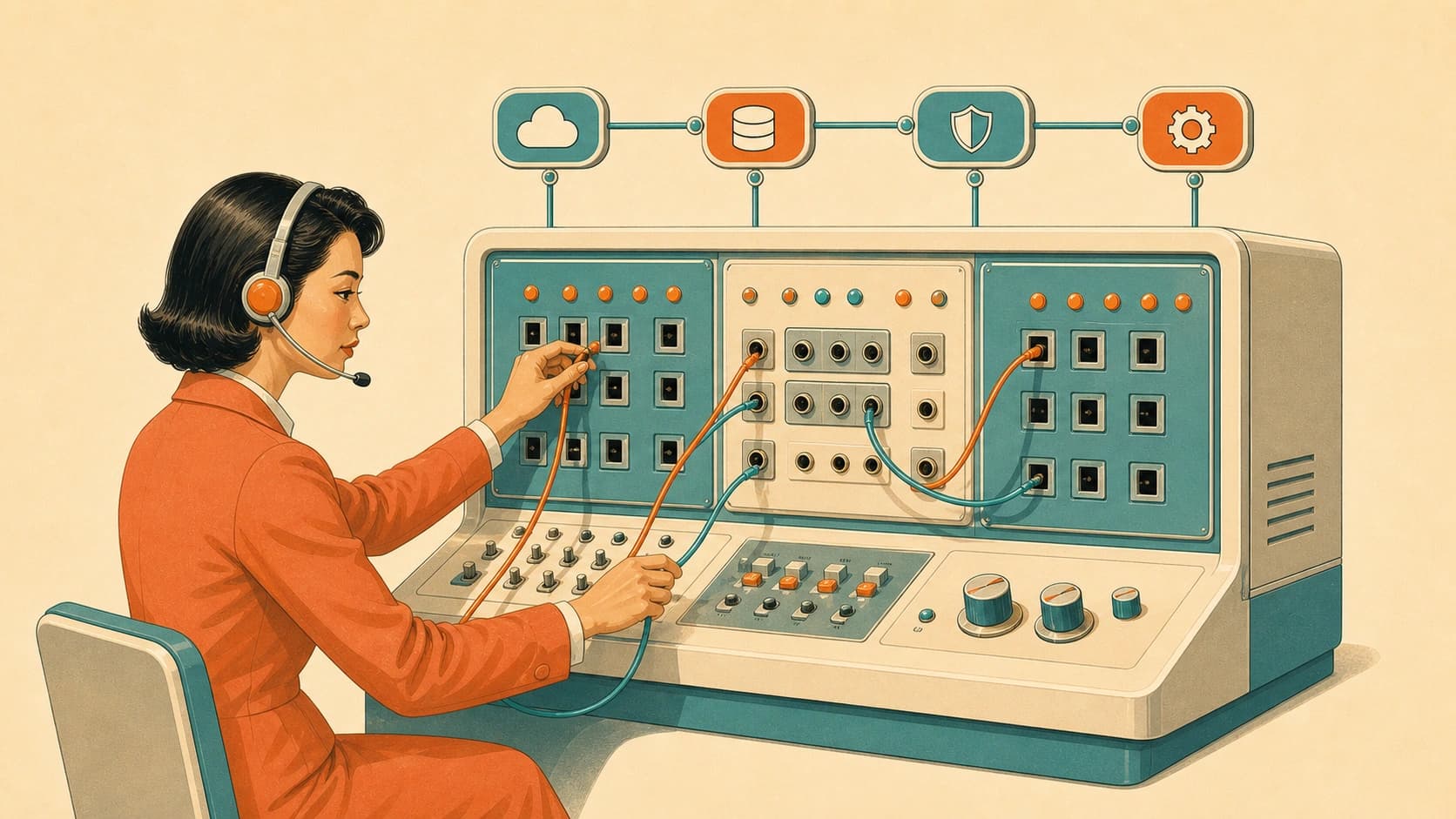
Internal Service and Microservice APIs
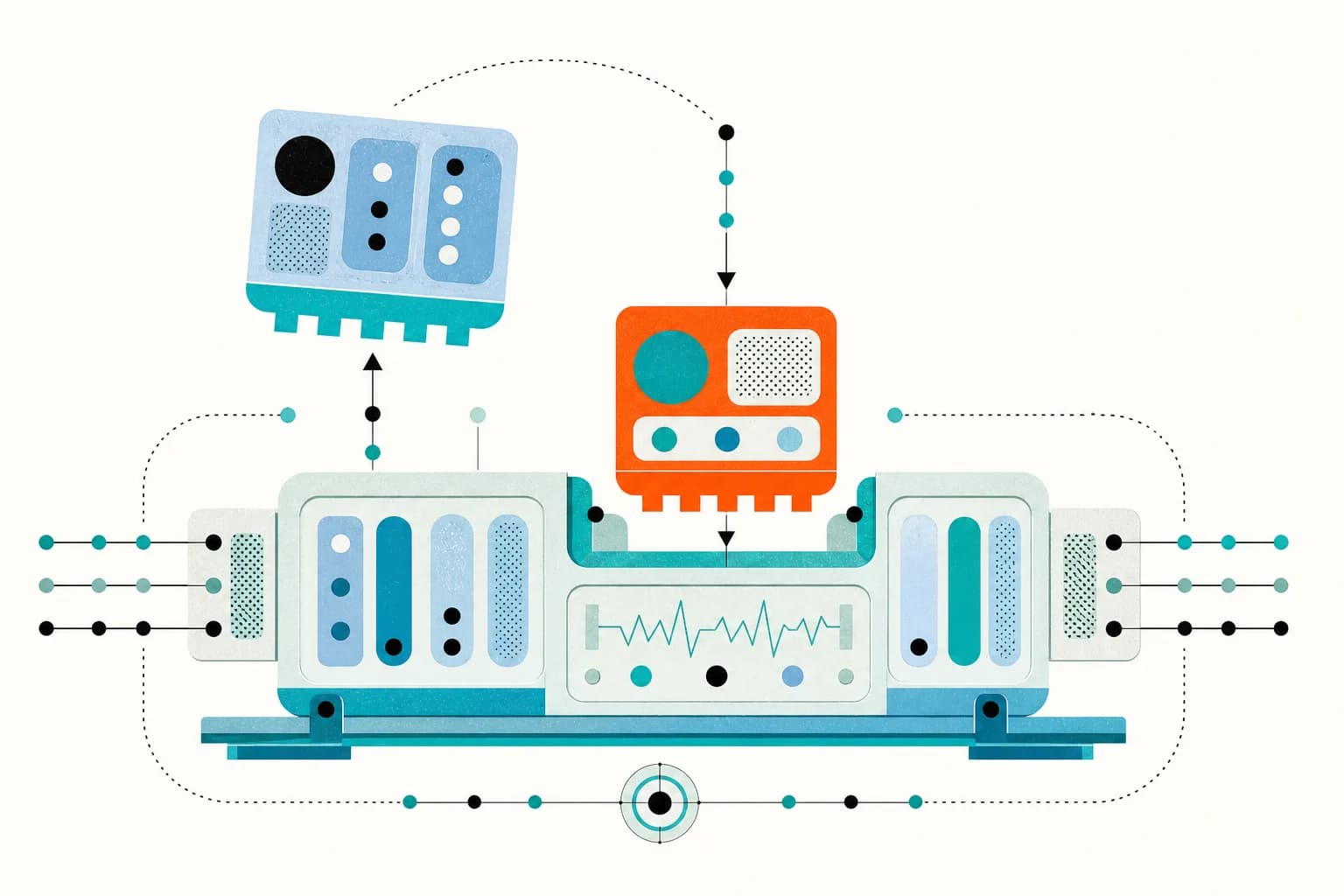
AI-Ready and Agentic API Design
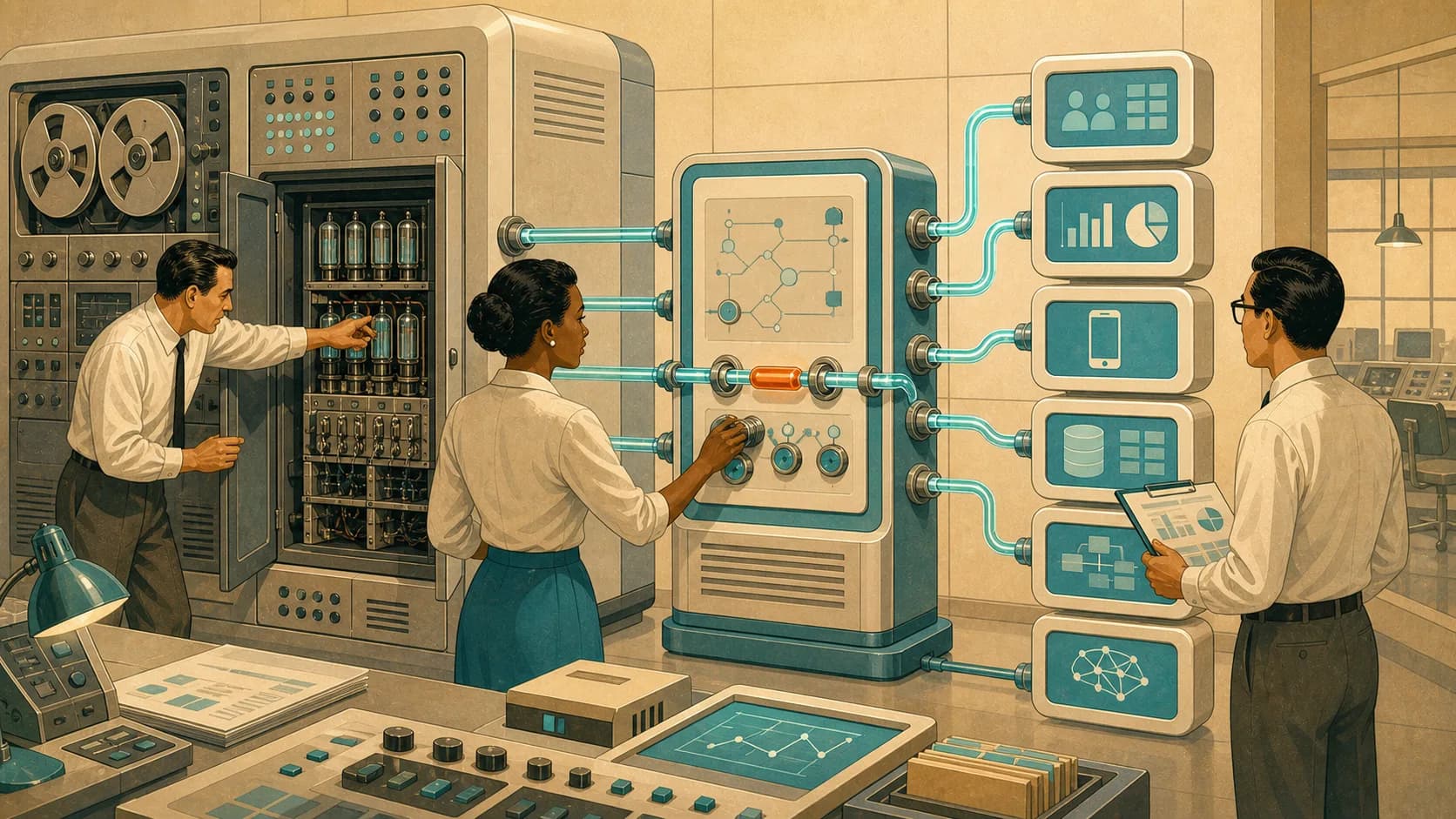
Legacy System API Enablement
Security Embedded From Day One
Security is not a feature added to APIs after they are built. It is an architectural requirement that shapes how every endpoint is designed, authenticated, and governed. Chromedia embeds zero-trust authentication, scoped permissions, input validation, encryption, rate limiting, and API gateway governance into every implementation so integrations remain secure and observable as the ecosystem scales.
For organizations with compliance requirements, security controls are scoped explicitly during design and treated as first-class constraints rather than checklist items applied at the end. The APIs Chromedia delivers are built to meet enterprise security expectations from the first deployment, not retrofitted to meet them after the fact.
Common API Development Challenges and How Chromedia Helps
Even experienced internal engineering teams face API challenges that are difficult to address while managing ongoing product delivery and support priorities. Chromedia's API engineering practice is designed to meet teams where they are and build toward the governance, security, and maintainability standards that a growing integration ecosystem demands.
Chromedia's AI Governance
How Chromedia Delivers Software With AI Speed and Human Accountability
Chromedia's eight-phase AI SDLC governs how AI tooling is introduced, validated, and released across every engagement. No output advances without senior engineer review and approval.

Human-Led Product Design, AI-Accelerated Discovery
Business goals become validated requirements, clear system logic, and actionable engineering roadmaps before any code is written, eliminating the misalignment between what was requested and what gets built.

AI-Ready Engineering Tasks Built for Speed, Reviewability, and Quality
Features decompose into the smallest independently implementable work units, structured for AI-assisted development and human validation.

Human-Owned Engineering, AI-Accelerated Development Velocity
Senior engineers apply AI tooling as a deliberate accelerator. Every output is reviewed line by line before it is committed.

Mandatory Human Review Before Any AI-Generated Code Moves Forward
Every AI-generated output passes qualified engineer review before advancing. No exceptions.

Automated Quality and Security Gates on Every Merge Request
Automated scanning across linting, dependency vulnerabilities, secret detection, and static analysis, with human triage and approval before every merge.

Human-Verified Test Coverage for Reliable AI-Assisted Software Delivery
AI-accelerated test generation expands coverage into edge cases that manual authoring misses, reviewed and approved by engineers and QA specialists before pull request sign-off.

Mandatory Human Peer Review Before Every Merge
Mandatory human peer review of every pull request for logic correctness, architectural alignment, and long-term maintainability.

Controlled Human-Approved Release Gates for Production-Ready Software
Every engineering, testing, security, and governance gate must clear before code enters the main branch. AI speed. Human-controlled release.
These phases are not optional checkpoints that vary by project size or timeline pressure. They are the standard that governs every codebase Chromedia is responsible for, and that consistency is what makes AI-accelerated delivery trustworthy.
How AI Has Changed API Development



API development looked very different just a few years ago. Designing a well-governed API required significant upfront investment in contract definition, schema design, and documentation authoring before implementation could begin. OpenAPI specifications were written manually, a process that was time-intensive enough that many teams skipped or deferred it, producing APIs that were implemented before their contracts were formally defined and documented after the fact when they were documented at all. The gap between what an API was designed to do and what its documentation said it did was one of the most consistent sources of integration friction, producing consumers who built against incorrect assumptions and dependencies that became expensive to unwind when the implementation and the documentation finally had to be reconciled.
Boilerplate generation consumed engineering time that had nothing to do with the meaningful design decisions that determined whether an API would remain maintainable as the integration surface grew. Authentication scaffolding, error handling structures, request validation logic, rate limiting implementation, and versioning infrastructure were written from scratch or copied from previous projects, introducing inconsistency across endpoints and teams that accumulated into the kind of integration debt that makes API programs progressively harder to govern as they scale.
Test coverage for APIs reflected what the team had capacity to write manually alongside feature delivery demands. Contract tests, which verify that an API implementation matches the contract its consumers depend on, were among the most consistently deferred quality investments because writing them comprehensively required significant effort that competed directly with the delivery timelines the team was managing. The result was API programs where breaking changes reached consumers because the tests that would have caught them were never written, and where integration failures that should have been caught in development were discovered in production after they had already affected the systems depending on the API.
Security review was periodic rather than continuous, conducted before major releases rather than embedded in the development process where vulnerabilities could be caught before they were built against in downstream integrations. Dependency vulnerabilities, insecure authentication patterns, and insufficient permission scoping accumulated between review cycles, creating security posture gaps that were difficult to remediate comprehensively once the API surface had grown large enough that no single engineer held a complete picture of every endpoint and integration.
Documentation was the most consistently deprioritized aspect of API development. Writing comprehensive API documentation required significant time that competed directly with feature delivery, and the documentation that was written tended to fall behind the implementation it described as the API evolved, producing reference material that consumers could not fully trust and that required direct communication with the API team to supplement. Developer experience suffered not because the APIs were poorly designed but because the documentation and tooling required to use them confidently were never given the investment they deserved.
AI has changed the economics, quality, and governance of API development in ways that have made well-documented, consistently governed, and comprehensively tested API programs achievable within delivery timelines that previously forced teams to choose between speed and quality.
OpenAPI specification generation represents one of the most immediate changes. AI tooling generates comprehensive API specifications from existing code, natural language descriptions, and architectural patterns, producing the contract-first foundation that API governance depends on without requiring engineers to choose between writing specifications and building the implementations those specifications are supposed to describe. Teams that previously deferred specification work because the authoring overhead competed with delivery timelines can now maintain current, accurate specifications that reflect the API as it actually behaves rather than as it was originally designed.
Boilerplate and scaffolding generation have compressed the mechanical setup work that consumed the early phases of every API engagement. Authentication flows, error handling structures, request validation logic, rate limiting implementation, and versioning scaffolding that previously required manual implementation for every new API can now be generated from established patterns, reviewed by senior engineers, and integrated in a fraction of the time manual authoring required. The engineering time recovered from that compression goes into the design decisions, security architecture, and integration planning that actually determine whether the API program remains governable as it scales.
Contract test generation has transformed one of the most consistently deferred quality investments in API development into a sustainable continuous practice. AI tooling generates contract tests from API specifications at a scale and speed that manual authoring cannot match, covering the consumer dependencies and behavioral expectations that breaking changes violate. API programs that previously relied on informal communication and manual coordination to prevent breaking changes can now maintain comprehensive contract test coverage that catches violations before they reach the consumers depending on the API.
Documentation generation has addressed the single most consistent failure mode in API programs by making current, accurate, and comprehensive documentation achievable without requiring engineers to choose between shipping and documenting. AI tooling generates endpoint documentation, usage examples, error reference material, and integration guides from existing specifications and implementations, producing the developer experience investment that API adoption depends on without the authoring overhead that causes most teams to deprioritize it. Documentation that previously fell months behind the implementation it described can now evolve with the API rather than diverging from it.
Security analysis has moved from periodic pre-release scanning to continuous AI-assisted review that surfaces authentication vulnerabilities, permission scoping gaps, injection risks, and dependency vulnerabilities at the pull request level rather than during a review cycle conducted after the affected code has already been built against downstream integrations. API security posture that previously degraded between manual review cycles now improves continuously as vulnerabilities are caught earlier and addressed before they compound into the kind of systemic exposure that comprehensive remediation cannot efficiently address.
Versioning and deprecation management have been assisted by AI tooling that identifies breaking change risks in proposed API modifications, surfaces the consumer dependencies that would be affected by a change before it is implemented, and generates migration guidance that helps downstream consumers adapt to API evolution without the manual coordination overhead that version transitions previously required. API programs that previously accumulated breaking changes because the cost of identifying and communicating their impact was prohibitive can now manage versioning discipline at a scale that the integration ecosystem can depend on.
What has not changed is the role of senior engineering judgment in an API program that remains governable as it scales. AI accelerates specification authoring, boilerplate generation, test coverage, documentation, and security scanning. It does not determine the right integration boundaries for a system where the coupling decisions made today will constrain or enable the architectural evolution the business needs over the next several years, evaluate whether a generated specification correctly represents the business logic and security requirements the API is designed to enforce, govern the versioning decisions that determine whether the API program earns the trust of the consumers depending on it, or design the deprecation strategy that allows the API surface to evolve without breaking the integration ecosystem built on top of it. Those decisions still require experienced engineers who understand the system, the consumers, and the long-term consequences of the integration architecture being established.
The API programs Chromedia delivers today are more comprehensively specified, more thoroughly tested, better documented, and more securely governed than what was achievable before AI tooling matured. The senior engineers governing every phase of that delivery are what makes an API program that has historically been defined by its governance gaps become something the integration ecosystem can depend on with confidence.
How Chromedia Works With You to Build APIs
Every API engagement begins with a straightforward path from first conversation to working integration. There is no lengthy procurement process or complicated onboarding overhead. Chromedia moves quickly from discovery to delivery using a governed, human-led approach that keeps every API aligned to real business outcomes at every stage.
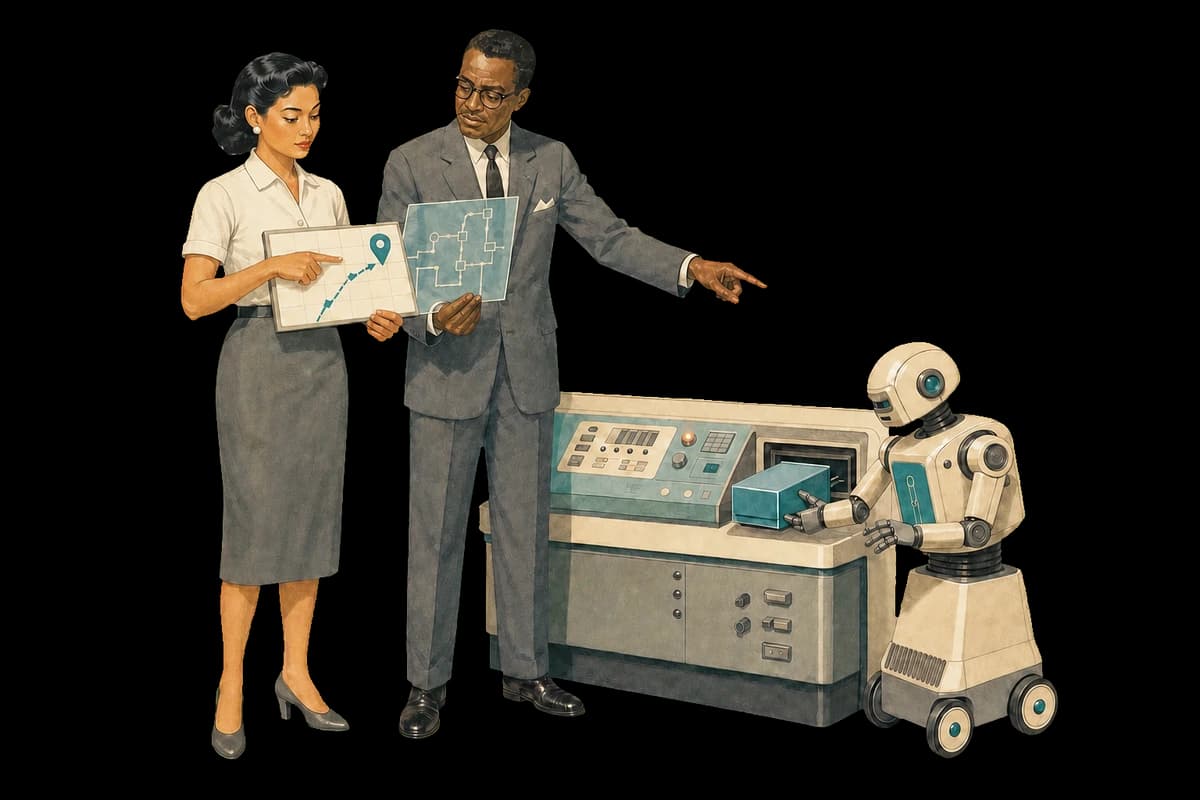
We begin with a strategy call to understand your business goals, the systems that need to connect, and the workflows the API needs to support. This is a working conversation. By the end of discovery, Chromedia has a clear picture of your integration priorities, security requirements, and what a successful API program looks like for your organization.
Engagement Overview
How We Work With You
Flexible engagement models designed to match your delivery goals, internal capabilities, and desired level of control.

Staff Augmentation
Quickly add skilled engineers to your existing team while keeping full control over delivery and priorities.

Dedicated Engineering Teams
A stable, fully dedicated team that operates as your own, without the cost of building one internally.

Managed Software Development
Chromedia owns delivery end-to-end, from architecture to ongoing support, so you can focus on business outcomes.
From API Strategy to Integration That Works
Most organizations know they need better API infrastructure. The challenge is building it without disrupting ongoing delivery, accumulating governance debt, or producing integrations that work today but create structural constraints tomorrow.
Chromedia bridges that gap. We bring the API expertise, engineering depth, and governance discipline to take organizations from first conversation to production APIs that are well-specified, securely governed, and built to remain maintainable as the integration ecosystem grows.
If your organization is ready to build the integration foundation your product and AI initiatives depend on, we are the partner that designs what we recommend and supports it after it ships.
Schedule an API Strategy Call