Technologies›Ruby on Rails Development
Ruby on Rails Development Services for Scalable, Production-Ready Web Applications
Custom Ruby on Rails applications, SaaS platforms, and API-first architecture delivered by senior Rails engineers with AI-accelerated development and human-led governance at every stage.












Rails Shaped Modern Web Development
Ruby on Rails has a legacy in web development that few frameworks can match. The applications that defined what modern web software could be, Basecamp, GitHub, Shopify, Zendesk, Kickstarter, Dribbble, and dozens of others that shaped how the industry thinks about web product development, were built on Rails. The conventions Rails established, convention over configuration, the MVC pattern applied to web development, database migrations as first-class development artifacts, and the principle that developer happiness and productivity are legitimate engineering objectives, influenced an entire generation of web frameworks across every language. Organizations choose Rails today because its conventions, its ecosystem maturity, its full-stack coherence, and the engineering culture it attracts produce web applications that are built faster, maintained more easily, and extended more confidently than most alternatives allow. For the right class of problems, Rails remains one of the most productive and most principled choices in web development.
Chromedia designs and builds Ruby on Rails applications engineered for performance, maintainability, and the AI-ready architecture that modern web products require. Our approach is human-led at every stage, with senior Rails engineers making every architecture decision, governing every gem and integration choice, and validating every release against security, performance, and business logic requirements before it reaches production. AI tooling accelerates the repeatable parts of that process, compressing build timelines without removing the engineering judgment that determines whether a Rails application holds up at scale, under real-world conditions, and over the long term.

Companies That Trust Chromedia
“Every engineer and product manager we had at Chromedia was both responsive and could be counted on to deliver. Every time.


Tyler Barber
CTO and Co-founder, Cruisebound
“They consistently produce solutions that are better than we had originally envisioned. They're very reasonably priced for the quality, speed, and value that we receive.


Linda Bernier
CEO, Spoke Health
“Their consistency stands out. Chromedia delivers what they say they're going to deliver in the timeframe and budget they promise. It's important as a business owner to be able to count on a partner like them.

Kevin Merritt
Owner, One Foot Productions
“For years we struggled to find a software development partner with the in house knowledge to build a high-quality product. Chromedia will help you tackle your software problems so you can focus on building your business.

Jenn Dederich
CEO and Owner, Portland Pedal Power
“It feels like we're one team. I'm very comfortable with them.


Leodus Thomas
CEO, Styleteq
“Keeping our clients happy is critical. Ensuring that our company is front-and-center in their minds is incredibly important, too. Using Fluid, we have improved our customer success operations considerably and contributed to more references, more revenue, and a better client experience.

Scott S.
Senior Manager, Customer Success, Fluid Gifts
“I find their developers to be more productive and communicative than many of the developers I've worked with in the US. I would highly recommend this team if you need any type of outsource help.


Keith Bristol
COO, iFlipd
“The product quality and experience with HIPAA compliance is extremely important, but really, it's that cultural alignment and the understanding of startups that made the decision easy to work with a boutique firm like Chromedia.


Richard Coyte
CEO, MEDtrip
“The team consistently exceeded expectations with not only their technical expertise but their ability to build relationships.


Jason Kallas
CEO, Hatch Marketing Plans
“Working with Chromedia, Inc. has been an absolute pleasure.

Seth Poche
Director, Cambium Networks
“Chromedia is great to work with. Their team members are knowledgeable, reliable, have great communication skills, and always meet their deadlines.
Bre Legler
Marketing Manager, MRIoA
“The team was consistently available to jump into a meeting regardless of short notice and differing time zones.

Michael Kemple
Director, EagleScreen
“Chromedia's efforts were met with unanimous acclaim. Customers can expect a responsive team that adapts to their customers' needs.


Jeff Donnici
CTO, GeoLens
“Chromedia is uniquely capable of finishing our project in good form. Our product will be 1000% better because of their work.


Adam Rentschler
CEO and Co-founder, Valid Eval
Rails Engineering Built Around Your Business Requirements
Ruby on Rails is unusual among web frameworks in that its value proposition is inseparable from the conventions it imposes and the engineering culture those conventions attract. A startup building its first SaaS product, a company running a Rails application that has been in production for ten years, and an organization modernizing a Rails monolith into a more modular architecture are all Rails engineering problems, but they require meaningfully different approaches to architecture, performance, and the conventions that make Rails productive rather than constraining.
The decisions that make a new Rails application productive and maintainable over time are different from the decisions that make a decade-old Rails application safe to extend without introducing regressions into the accumulated business logic it carries. And both are different from the decisions that make a Rails API backend perform reliably under the load a successful product generates when the initial architecture was not designed with that scale in mind. Getting those decisions right requires genuine Rails ecosystem expertise, architectural judgment about when Rails conventions serve the application and when they need to be extended or worked around, and the senior engineering depth to make the database, API, and background job architecture decisions that determine whether a Rails application remains productive to work with as it ages and scales.
Chromedia begins every Rails engagement with architecture review, database schema analysis, and business workflow mapping so every engineering decision is grounded in how the application actually needs to perform under real-world conditions, whether that means a new product, a scaling SaaS platform, or a legacy Rails application being modernized to support new capabilities. When that architectural foundation is established correctly upfront, AI-accelerated development across code generation, test coverage, and security review can compress delivery timelines without introducing the ActiveRecord performance issues, gem dependency conflicts, and convention violations that accumulate when Rails implementation moves faster than the senior oversight it depends on to remain maintainable at scale.
Why Ruby on Rails
Rails has maintained a loyal and productive engineering community for two decades because it solves the right problems at the right level of abstraction for a wide range of web application requirements, and continues to evolve with each major release in ways that make it more capable, more performant, and better aligned with the architectural patterns that modern web products require.
Convention over configuration
Full-stack coherence
ActiveRecord and database productivity
Hotwire and modern frontends
Security by default
Ecosystem maturity
AI integration readiness
Ruby on Rails Development Services
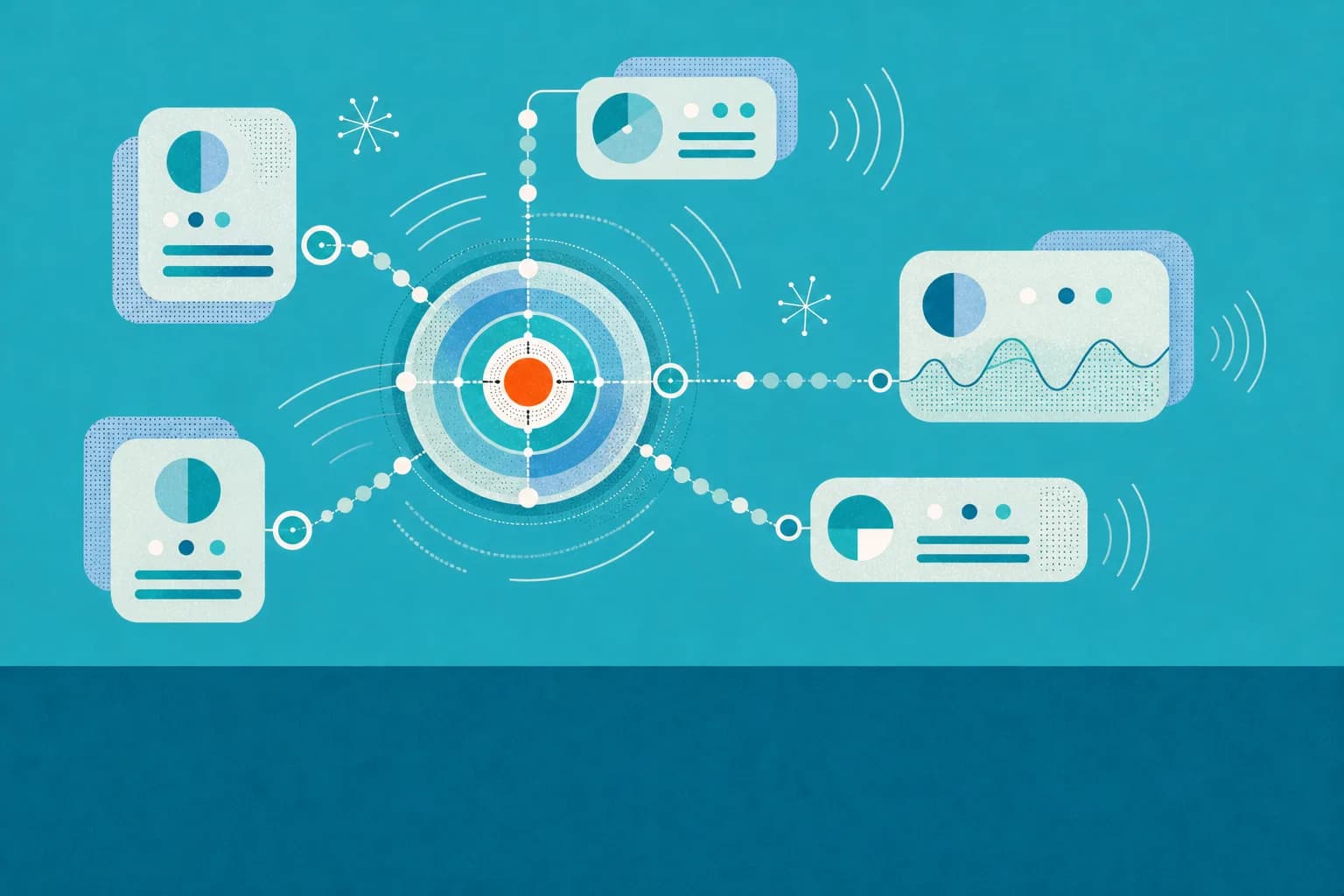
Custom Web Application and SaaS Development
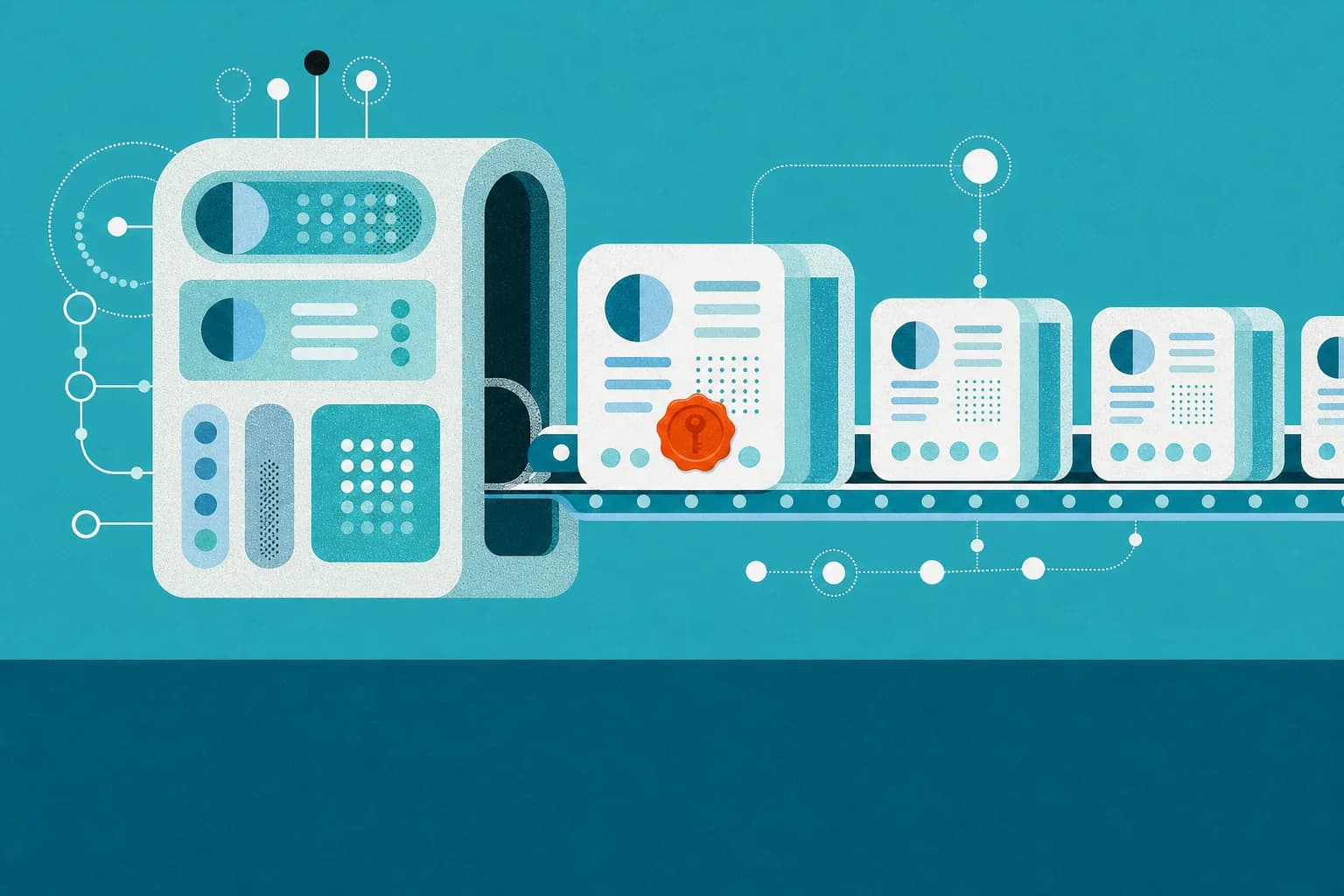
Rails API Development
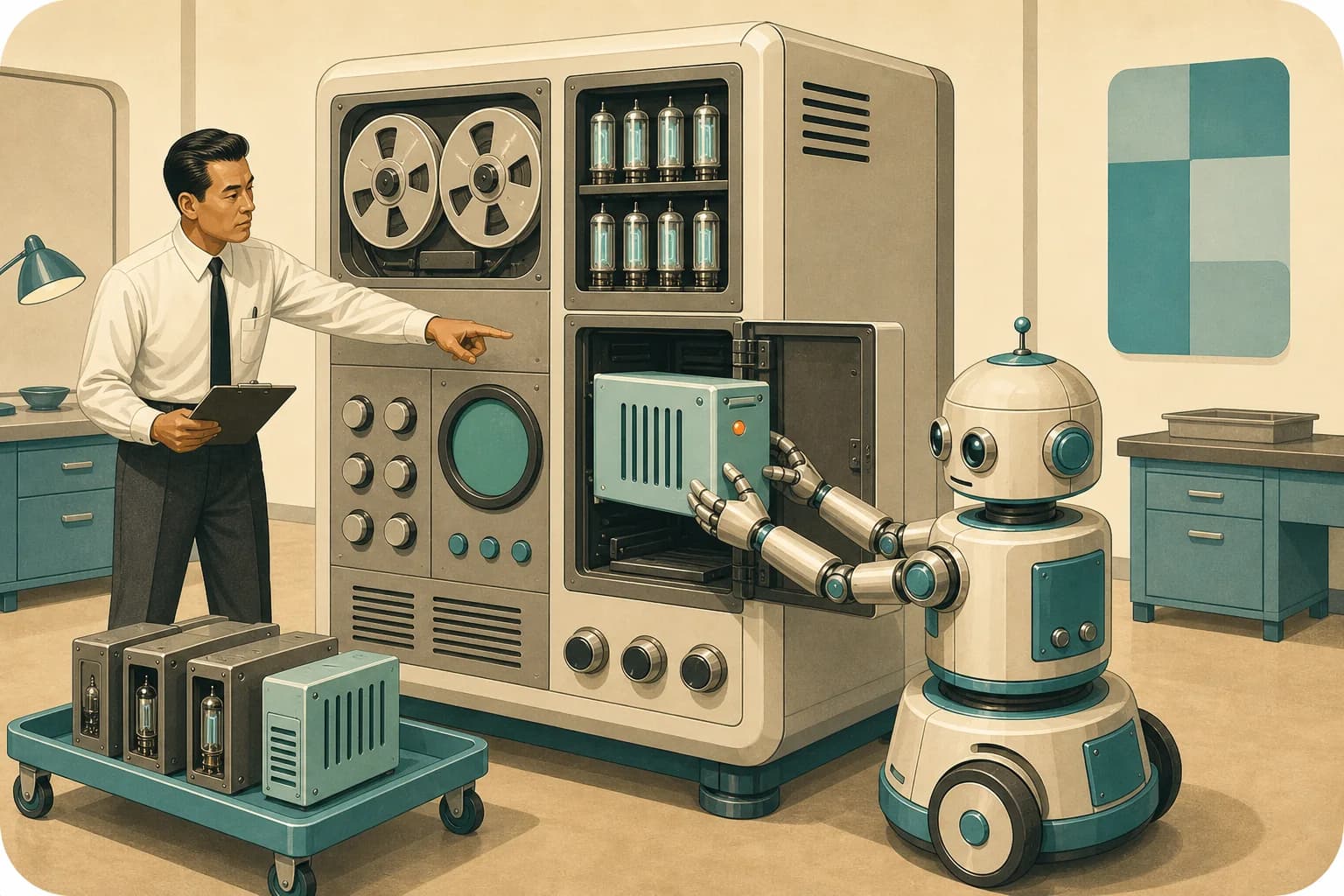
Legacy Rails Modernization
Database Architecture and ActiveRecord Optimization
Background Jobs and Asynchronous Processing
Hotwire and Modern Rails Frontends
Rails Security and Compliance
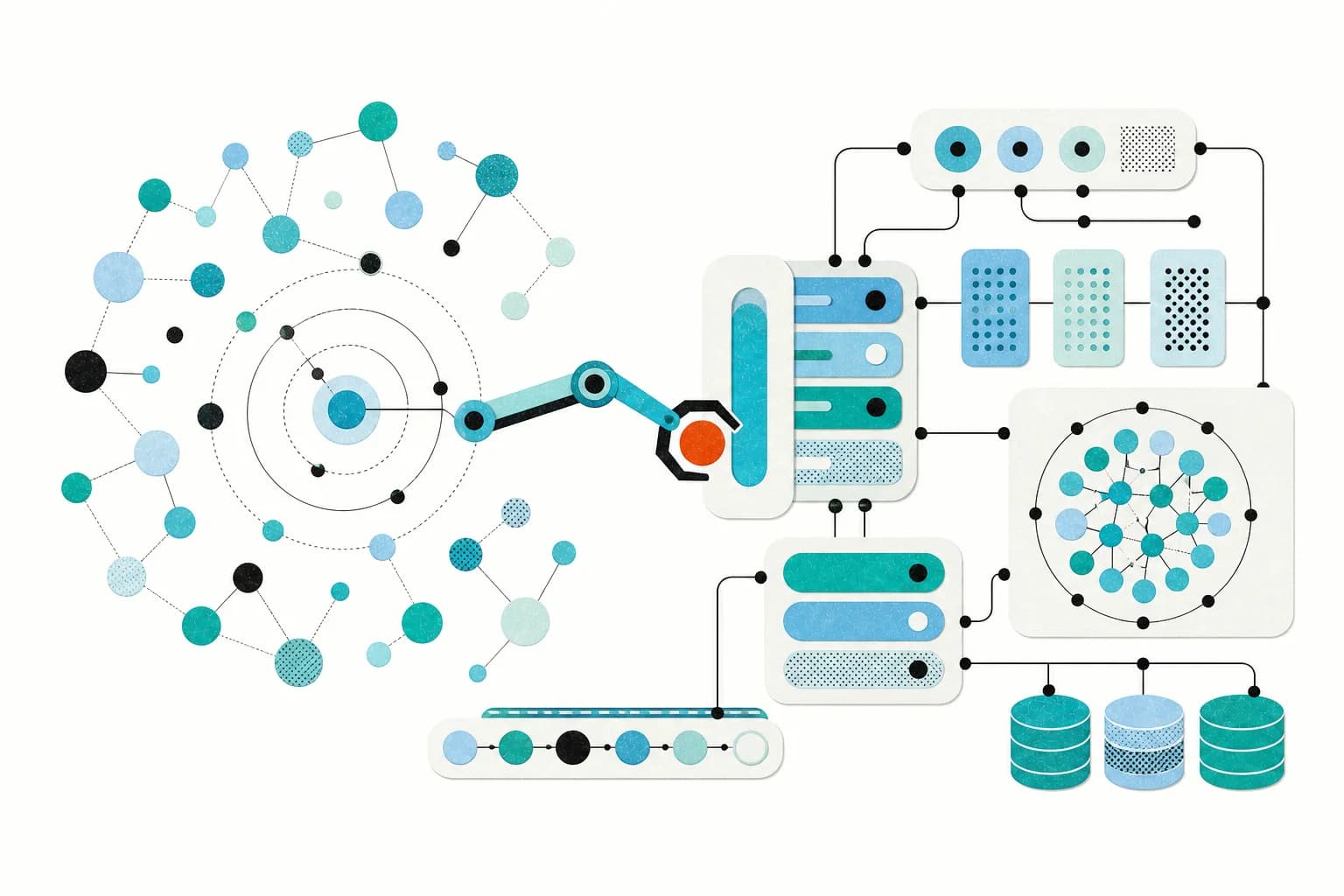
AI-Ready Rails Architecture
How AI Has Changed Ruby on Rails Development



Rails development looked meaningfully different five years ago, and the changes have been significant across the areas where Rails is most widely used, SaaS product development, content-driven web applications, and the API backends that serve modern frontend and mobile products.
Before AI tooling matured, Rails development followed patterns that rewarded deep Rails ecosystem familiarity and the accumulated knowledge of how Rails conventions behave at the edges where they require extension. Generating a new Rails resource, scaffolding the migration, model, controller, views, routes, and test files was fast by framework standards but still manual, with each generated file requiring review and customization before it reflected the actual requirements rather than the Rails scaffold defaults. Writing the RSpec or Minitest test suite for a non-trivial Rails feature required significant manual effort, particularly for the controller tests, request specs, and integration tests that cover the HTTP layer interactions that Rails applications depend on. Legacy Rails analysis, understanding what a large Rails application with years of accumulated callbacks, concerns, and controller logic actually does and how it can be safely refactored, required extensive manual code reading before any significant change could be made with confidence. ActiveRecord query optimization, identifying the N+1 patterns, missing associations, and inefficient scopes that accumulate in Rails applications as the data model grows, required manual analysis of query logs and EXPLAIN output that was time-consuming to do systematically across a large application.
The cumulative effect was Rails development that was highly productive for experienced Rails engineers with deep ecosystem knowledge but had a meaningful expertise floor, particularly for the legacy analysis and query optimization work that long-running Rails applications eventually require.
AI has changed those constraints in meaningful ways, and the impact on Rails development specifically is significant because so much of what made Rails projects slower and more expert-dependent than they needed to be was mechanical overhead surrounding the genuinely complex work.
Resource and scaffold generation has become more capable through AI tooling that generates Rails resources with the custom logic, validations, associations, and test coverage the specific model requires rather than the generic scaffold defaults that typically need significant post-generation modification. The gap between a generated starting point and a production-ready implementation has compressed, allowing senior Rails engineers to review and govern generated code rather than spending time on the mechanical customization that scaffold output traditionally required.
RSpec and test coverage has expanded significantly through AI-generated test suites that produce the model specs, controller specs, request specs, and system tests that comprehensive Rails test coverage requires. The volume of test cases needed to cover Rails application behavior comprehensively, particularly the request specs and integration tests that verify API behavior across authentication states, authorization boundaries, and error conditions, was historically one of the most time-consuming aspects of Rails development. AI tooling generates those test cases systematically, with senior Rails engineers reviewing every generated spec against the actual behavior the application is designed to deliver.
Legacy Rails analysis has improved through AI-assisted codebase analysis that can navigate large Rails applications, map the callback chains, concern inclusions, and controller action sequences that complex legacy Rails applications accumulate, and surface the dependencies and interaction patterns that determine whether a proposed refactoring is safe before any code is changed. Rails applications that accumulated years of organic growth without consistent architectural discipline are exactly the kind of codebases that AI-assisted analysis helps most, surfacing the implicit structure that experienced Rails engineers recognize but that is invisible to engineers new to a specific codebase.
ActiveRecord query optimization has benefited from AI-assisted analysis that identifies N+1 query patterns, suggests appropriate eager loading strategies, recommends missing indexes based on query patterns, and proposes query refactoring for the common ActiveRecord antipatterns that production Rails application logs reveal. Query optimization work that previously required manual correlation of slow query logs with the application code generating them can now be approached more systematically, with senior engineers governing every optimization decision against the correctness requirements that ActiveRecord query changes must preserve.
Gem dependency management and security has improved through AI-assisted vulnerability scanning and dependency analysis that identifies outdated gems, known vulnerabilities in the dependency tree, and compatibility risks between gem versions that accumulate in long-running Rails applications between deliberate upgrade cycles. Dependency hygiene that previously required periodic manual audits now receives more continuous attention, reducing the security exposure that stale Rails gem dependencies introduce.
Rails version upgrades have become more manageable through AI-assisted analysis that identifies the deprecated API usage, gem compatibility issues, and behavioral changes between Rails major versions that need to be addressed before an upgrade can proceed safely. Rails major version migrations from 5.x to 6.x, 6.x to 7.x, and 7.x to 8.x each carry a set of breaking changes that large Rails applications must navigate carefully, and AI-assisted analysis of the upgrade scope compresses the assessment work that determines the safe upgrade path.
What has not changed is the role of senior Rails engineering judgment in a production application. AI generates scaffolding, surfaces query patterns, and accelerates legacy analysis. It does not determine whether an ActiveRecord model's association design will perform correctly under the data volumes and query patterns the application will encounter in production, evaluate whether a Rails service object architecture is structured correctly for the business logic complexity the application needs to support, govern the multi-tenancy architecture decisions that determine whether a SaaS Rails application isolates tenant data correctly under the edge cases that production workloads generate, or make the background job architecture decisions that determine whether asynchronous processing handles failure, retry, and idempotency correctly under the conditions that production queues produce. Those decisions still require experienced Rails engineers who understand the framework's conventions deeply, the business domain the application serves, and the long-term consequences of the architectural choices being made for applications that will run in production for years.
The Rails applications Chromedia builds today move faster from requirements to production, carry broader test coverage and security review, and deliver more consistent architecture quality than what was achievable before AI tooling matured. The senior engineers governing every phase of that process are what makes the speed trustworthy and the applications worth depending on.
Common Rails Development Challenges and How Chromedia Helps
Even experienced internal Rails teams face challenges that are difficult to address while managing ongoing feature delivery, production support, and the accumulated technical debt that Rails applications develop as they age and the conventions that made them productive in earlier stages of the product become constraints at later ones. Rails' strong conventions and the engineering culture they attract are genuine advantages that also create the conditions for the N+1 query accumulation, callback complexity, and version currency debt that mature Rails applications carry when delivery pressure consistently outpaces the governance that keeps them maintainable. Chromedia's Rails engineering practice is designed to complement internal capability and build toward the performance, security, and architectural standards that production Rails applications demand as they scale and age.
How Chromedia Works With You to Build Rails Applications
Every Rails engagement begins with a straightforward path from first conversation to working application. There is no lengthy procurement process or complicated onboarding overhead. Chromedia moves quickly from discovery to delivery using an approach that keeps every architecture and engineering decision aligned to real business outcomes, validated by senior Rails engineers at every stage.
We begin with a strategy call to understand your business goals, existing technology landscape, data model complexity, integration requirements, and the outcomes you are trying to achieve. This is a working conversation. By the end of discovery, Chromedia has a clear picture of your application requirements, your current Rails environment, your security and compliance obligations, and what a successful engagement looks like for your organization, whether that means building a new product, scaling an existing Rails application, or modernizing a legacy Rails codebase that has accumulated significant technical debt.
Engagement Overview
How We Work With You
Flexible engagement models designed to match your delivery goals, internal capabilities, and desired level of control.

Staff Augmentation
Quickly add skilled engineers to your existing team while keeping full control over delivery and priorities.

Dedicated Engineering Teams
A stable, fully dedicated team that operates as your own, without the cost of building one internally.

Managed Software Development
Chromedia owns delivery end-to-end, from architecture to ongoing support, so you can focus on business outcomes.
Why Work with Chromedia?
Bridge Experience & Quality with Affordability
We help you quickly and affordably build a productive AI-forward development team. We provide peace of mind around costs and quality by delivering highly skilled remote employees that can work independently or can integrate seamlessly with your existing technology team.
Human-led AI Development
Our employees follow a governed human-led 8-step AI SDLC, ensuring high-quality, secure, and predictable software delivery. For enterprises seeking full transparency, our proprietary 8-phase AI SDLC is available for detailed review.
Explore the 8-Phase AI SDLCExclusive Focus
Team members do not juggle multiple projects; they are 100% committed to your roadmap.
Long-Term Collaboration
Chromedia's employees are perfect for complex, evolving projects lasting months or years.
Full Control
You retain strategic leadership over product direction and daily tasks, while Chromedia handles HR, payroll, and infrastructure.
Scalability
Rapidly add highly functioning resources without the overhead of direct hiring.
Massive Cost Efficiency
Reduces overhead by 30–60% by eliminating recruitment fees, office space, and employee benefits while converting variable labor costs into predictable monthly fees.
Faster Time-to-Market
High-performing, integrated units can reduce development cycles and get products to users sooner. Established workflows and parallel workstreams further accelerate release cycles.
Deep Domain Knowledge
Stable teams accumulate insights into your specific business and technical architecture over time.
Less than 3% Turnover
We've worked hard to foster our Chromedia Culture by paying our employees above the top of expected local salaries, providing family-focused generous benefits, giving ample time to relax or travel, and providing a fun atmosphere for us all to get together and bond.
Focus on Core Business Strategy
By offloading technical execution to a Chromedia Team, your internal leadership can focus exclusively on high-impact areas like product vision, marketing, and customer acquisition.
Reduced Management Overhead
Chromedia handles day-to-day HR, administrative tasks, and often project management, freeing in-house managers for higher-level strategic work.
Risk Mitigation and Continuity
Chromedia is responsible for the team's performance ensuring the project doesn't stall.
Immediate Access to Experience
Chromedia invests in AI fluency using the latest tools and development standards as our core business, giving clients access to modern tech stacks without the R&D cost.
Built-in Security and Compliance
Chromedia provides out-of-the-box compliance with standards like GDPR and HIPAA.
Access to Fresh Perspectives
External professionals bring diverse experiences and methodologies from various projects and companies, which can foster innovation and introduce new approaches to problem-solving that the in-house team might not have considered.
24/7 Development Cycles and Infra Support
If you want "follow-the-sun" productivity, offshore teams can handle testing, bug fixes, or support overnight.