Skip to content
Chromedia
  • Our Work
  • Blog
Schedule A Call

WHAT WE DO

Engagement Models

Engineering TeamsManaged Software DevelopmentStaff Augmentation

Solutions

Custom Software DevelopmentAI Design & ImplementationAgentic AI DevelopmentAI IntegrationMobile App DevelopmentMVP DevelopmentLegacy Application ModernizationAPI Development

Services

AI ConsultingBackend EngineeringFrontend EngineeringiOS & Android App DevelopmentUI/UX DesignQuality EngineeringDevOps and Cloud Engineering

WHY CHROMEDIA

AI Development ProcessTop Talent Hiring ProcessStaff Augmentation

DISCOVER

Our WorkWho We AreBlogsContact UsCareers
Chromedia

© 1996 - 2026 Chromedia, Inc. All Rights Reserved.

production v30.1.5
Privacy PolicyCookie PolicyTerms of Use

Technologies›Flutter Development

Flutter Development Services for High-Performance Cross-Platform Mobile Applications

Native-quality iOS and Android applications from a single Dart codebase, delivered by senior Flutter engineers with AI-accelerated development and human-led governance at every stage.


Schedule a Flutter Strategy Call
Cruisebound
Spoke Health
One Foot Productions
Portland Pedal Power
Styleteq
Fluid Gifts
iFlipd
MEDtrip
Hatch
Cambium Networks
MRIoA
EagleScreen
Geolens
Valid Eval
Capametrix
Cruisebound
Spoke Health
One Foot Productions
Portland Pedal Power
Styleteq
Fluid Gifts
iFlipd
MEDtrip
Hatch
Cambium Networks
MRIoA
EagleScreen
Geolens
Valid Eval
Capametrix
Cruisebound
Spoke Health
One Foot Productions
Portland Pedal Power
Styleteq
Fluid Gifts
iFlipd
MEDtrip
Hatch
Cambium Networks
MRIoA
EagleScreen
Geolens
Valid Eval
Capametrix
Cruisebound
Spoke Health
One Foot Productions
Portland Pedal Power
Styleteq
Fluid Gifts
iFlipd
MEDtrip
Hatch
Cambium Networks
MRIoA
EagleScreen
Geolens
Valid Eval
Capametrix
Cruisebound
Spoke Health
One Foot Productions
Portland Pedal Power
Styleteq
Fluid Gifts
iFlipd
MEDtrip
Hatch
Cambium Networks
MRIoA
EagleScreen
Geolens
Valid Eval
Capametrix
Cruisebound
Spoke Health
One Foot Productions
Portland Pedal Power
Styleteq
Fluid Gifts
iFlipd
MEDtrip
Hatch
Cambium Networks
MRIoA
EagleScreen
Geolens
Valid Eval
Capametrix
Cruisebound
Spoke Health
One Foot Productions
Portland Pedal Power
Styleteq
Fluid Gifts
iFlipd
MEDtrip
Hatch
Cambium Networks
MRIoA
EagleScreen
Geolens
Valid Eval
Capametrix
Cruisebound
Spoke Health
One Foot Productions
Portland Pedal Power
Styleteq
Fluid Gifts
iFlipd
MEDtrip
Hatch
Cambium Networks
MRIoA
EagleScreen
Geolens
Valid Eval
Capametrix
Cruisebound
Spoke Health
One Foot Productions
Portland Pedal Power
Styleteq
Fluid Gifts
iFlipd
MEDtrip
Hatch
Cambium Networks
MRIoA
EagleScreen
Geolens
Valid Eval
Capametrix
Cruisebound
Spoke Health
One Foot Productions
Portland Pedal Power
Styleteq
Fluid Gifts
iFlipd
MEDtrip
Hatch
Cambium Networks
MRIoA
EagleScreen
Geolens
Valid Eval
Capametrix
Cruisebound
Spoke Health
One Foot Productions
Portland Pedal Power
Styleteq
Fluid Gifts
iFlipd
MEDtrip
Hatch
Cambium Networks
MRIoA
EagleScreen
Geolens
Valid Eval
Capametrix
Cruisebound
Spoke Health
One Foot Productions
Portland Pedal Power
Styleteq
Fluid Gifts
iFlipd
MEDtrip
Hatch
Cambium Networks
MRIoA
EagleScreen
Geolens
Valid Eval
Capametrix

One Codebase. Two Platforms. The Engineering Discipline to Make it Work.

Flutter changed the cross-platform mobile development conversation in a fundamental way. Where earlier cross-platform frameworks attempted to bridge native platform UI components with a shared logic layer, Flutter took a different approach entirely, rendering its own UI through its own graphics engine rather than delegating to platform widgets. That architectural decision is what gives Flutter applications their distinctive performance consistency and visual fidelity across iOS and Android, and it is what separates Flutter from the generation of cross-platform frameworks that preceded it. The organizations building with Flutter today are building real products for real users, consumer applications competing at the top of the App Store and Play Store, enterprise workflow tools deployed across mixed iOS and Android device fleets, and startup products where delivery speed and codebase simplicity matter as much as platform quality. Flutter serves all of these contexts well when the architecture is right, the team understands the framework deeply, and the engineering discipline to maintain a production cross-platform application is present from the first line of code.

Chromedia designs and builds Flutter applications engineered for the performance, visual quality, and platform integration depth that modern mobile products demand. Our approach is human-led at every stage, with senior Flutter engineers making every architecture decision, governing every widget and state management choice, and validating every release against performance, accessibility, and App Store and Play Store requirements before it reaches production. AI tooling accelerates the repeatable parts of that process, compressing build timelines without removing the engineering judgment that determines whether a Flutter application holds up at scale, across both platforms, and over the long term.

Schedule a Flutter Strategy Call

Companies That Trust Chromedia

“

“Every engineer and product manager we had at Chromedia was both responsive and could be counted on to deliver. Every time.


Tyler Barber

CTO and Co-founder, Cruisebound

“

“They consistently produce solutions that are better than we had originally envisioned. They're very reasonably priced for the quality, speed, and value that we receive.


Linda Bernier

CEO, Spoke Health

“

“Their consistency stands out. Chromedia delivers what they say they're going to deliver in the timeframe and budget they promise. It's important as a business owner to be able to count on a partner like them.

Kevin Merritt

Owner, One Foot Productions

“

“For years we struggled to find a software development partner with the in house knowledge to build a high-quality product. Chromedia will help you tackle your software problems so you can focus on building your business.

Jenn Dederich

CEO and Owner, Portland Pedal Power

“

“It feels like we're one team. I'm very comfortable with them.

Leodus Thomas

CEO, Styleteq

“

“Keeping our clients happy is critical. Ensuring that our company is front-and-center in their minds is incredibly important, too. Using Fluid, we have improved our customer success operations considerably and contributed to more references, more revenue, and a better client experience.

Scott S.

Senior Manager, Customer Success, Fluid Gifts

“

“I find their developers to be more productive and communicative than many of the developers I've worked with in the US. I would highly recommend this team if you need any type of outsource help.

Keith Bristol

COO, iFlipd

“

“The product quality and experience with HIPAA compliance is extremely important, but really, it's that cultural alignment and the understanding of startups that made the decision easy to work with a boutique firm like Chromedia.


Richard Coyte

CEO, MEDtrip

“

“The team consistently exceeded expectations with not only their technical expertise but their ability to build relationships.


Jason Kallas

CEO, Hatch Marketing Plans

“

“Working with Chromedia, Inc. has been an absolute pleasure.

Seth Poche

Director, Cambium Networks

“

“Chromedia is great to work with. Their team members are knowledgeable, reliable, have great communication skills, and always meet their deadlines.
Bre Legler

Marketing Manager, MRIoA

“

“The team was consistently available to jump into a meeting regardless of short notice and differing time zones.

Michael Kemple

Director, EagleScreen

“

“Chromedia's efforts were met with unanimous acclaim. Customers can expect a responsive team that adapts to their customers' needs.


Jeff Donnici

CTO, GeoLens

“

“Chromedia is uniquely capable of finishing our project in good form. Our product will be 1000% better because of their work.


Adam Rentschler

CEO and Co-founder, Valid Eval

1 / 14

Flutter Engineering Built Around Your Business Requirements

Flutter is unusual among technology choices in that its value proposition depends heavily on the specific context it is being applied to. For organizations that need consistent visual quality across iOS and Android from a single codebase, fast iteration cycles, and a reduced maintenance burden relative to two separate native codebases, Flutter delivers genuinely compelling advantages. For applications that depend on the deepest possible integration with platform-specific APIs, on-device AI frameworks, or the platform-native UI conventions that users of one platform have strong preferences about, the tradeoffs require honest evaluation before Flutter is chosen as the right approach.

The decisions that make a Flutter application successful are different depending on which context it is being built for. A consumer Flutter application competing on visual quality requires a different widget architecture and rendering optimization approach than an enterprise Flutter application deployed across thousands of managed devices with complex backend integration requirements. A startup MVP built in Flutter to validate a product hypothesis has different architectural priorities than a Flutter application intended as the long-term production foundation the business will build on for years.

Getting those decisions right from the start requires more than Dart and Flutter syntax knowledge. It requires genuine cross-platform mobile expertise, architectural judgment about where Flutter's single-codebase approach creates real efficiency and where it requires platform-specific implementation to bridge the gap, and the senior engineering depth to make the state management and rendering decisions that determine whether a Flutter application performs consistently across iOS and Android under real-world conditions.

Chromedia begins every Flutter engagement with platform architecture review, user workflow analysis, and integration dependency mapping so every engineering decision is grounded in how the application actually needs to perform across both platforms and across the full range of devices and OS versions the users of that application carry. When widget architecture, state management design, and platform integration requirements are defined correctly against those conditions upfront, AI-accelerated development across widget scaffolding, test coverage, and code review cycles can compress delivery timelines without introducing the rendering inconsistencies, platform integration gaps, and App Store and Play Store compliance risks that emerge when Flutter implementation moves faster than the architectural definition and senior oversight it depends on to perform correctly across both platforms under real-world conditions.

Why Flutter

Flutter has earned its position as the most capable and most widely adopted cross-platform mobile framework because it solves real engineering problems with a consistency and depth that earlier cross-platform approaches could not match, and continues to evolve with each release in ways that make it more capable, more performant, and better suited to the full range of production mobile applications.

Custom rendering engine

Flutter's Skia and Impeller rendering engines draw every pixel of the application's UI directly rather than delegating to platform widgets, which delivers consistent visual quality across iOS and Android without the rendering inconsistencies that bridge-based frameworks accumulate. The same widget tree produces the same visual output on both platforms, which means the design-to-code translation is done once rather than twice and the visual consistency across platforms is guaranteed rather than approximated.

Single codebase efficiency

A single Dart codebase targeting both iOS and Android reduces the engineering effort required to build and maintain feature parity across platforms significantly. Bug fixes, feature additions, and UI changes are made once and apply to both platforms, which reduces the coordination overhead, the divergence risk, and the maintenance burden that separate native codebases accumulate over time.

Dart language quality

Dart is a strongly typed, compiled language that is optimized for Flutter's rendering model and delivers the performance, null safety, and ahead-of-time compilation characteristics that production mobile applications require. Dart's sound null safety, introduced in Dart 2.12, eliminates the null reference errors that were a common source of Flutter application crashes before its adoption.

Hot reload and development velocity

Flutter's hot reload capability allows engineers to see the results of code changes reflected in the running application in under a second, without losing application state, which accelerates the UI development and iteration cycles that mobile application development requires significantly compared to the full rebuild cycles that native development demands.

Expanding platform support

Flutter's platform support has expanded beyond iOS and Android to include web, macOS, Windows, and Linux, allowing organizations to target multiple platforms from a single Dart codebase. The mobile platforms remain Flutter's strongest and most production-proven target, but the expanding platform support creates options for organizations that need to serve users across multiple surfaces with a unified development approach.

Growing ecosystem

Flutter's pub.dev package ecosystem has matured significantly, with a broad range of packages covering platform integrations, UI components, networking, state management, and the other foundational concerns of production mobile applications. The ecosystem's growth has reduced the custom platform channel implementation that early Flutter applications required for common native integrations.

Google backing and investment

Google's continued investment in Flutter, its use of Flutter for its own production applications, and the growing adoption among major organizations provide the ecosystem stability and long-term roadmap confidence that production mobile applications require from their foundation framework.

Flutter Development Services

Cross-Platform iOS and Android Application Development
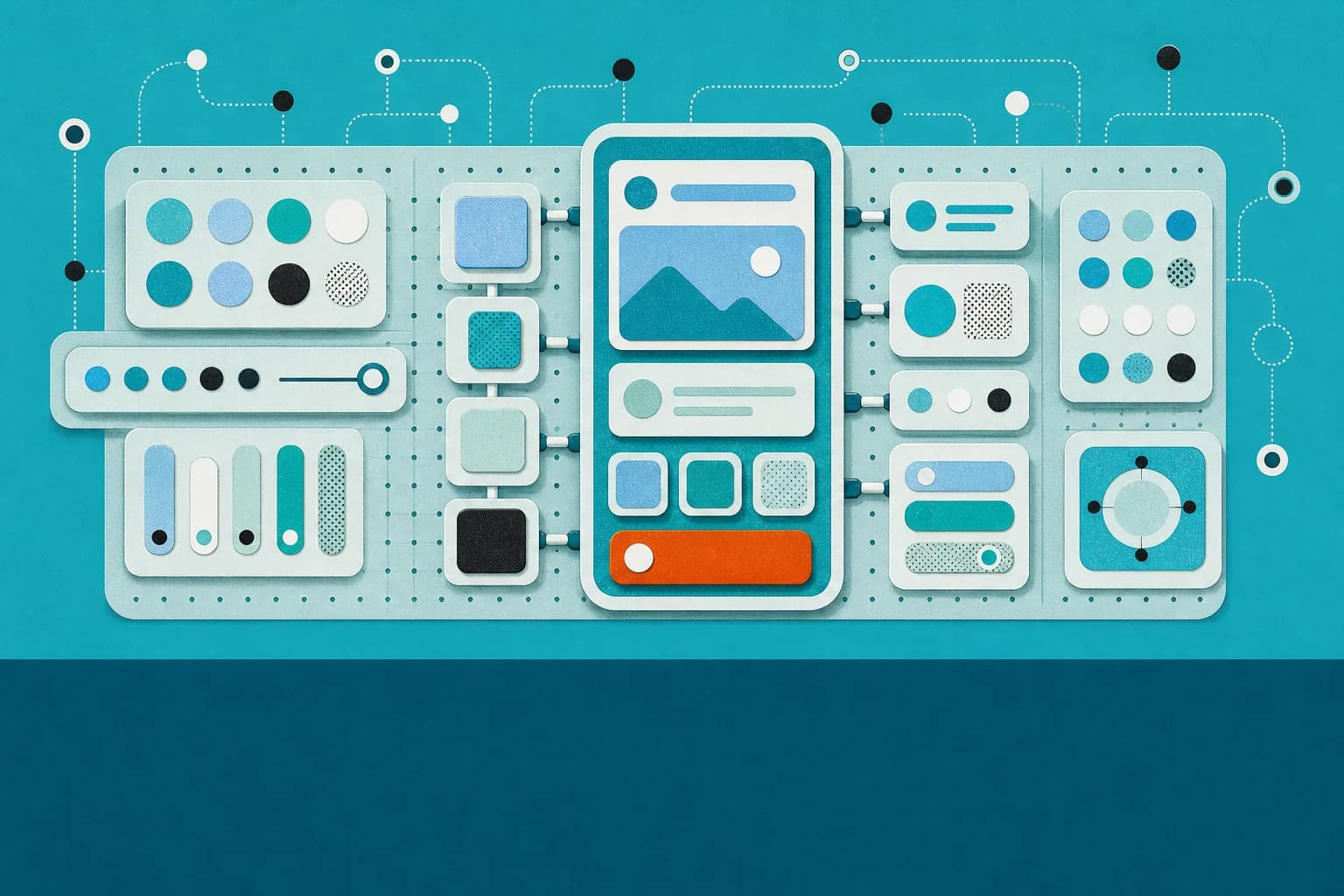
Chromedia builds cross-platform Flutter applications that deliver native-quality performance and visual fidelity on both iOS and Android from a single Dart codebase. Every application is architected around the user workflows it needs to support and the platform requirements it needs to meet across both ecosystems, with senior Flutter engineers governing every widget architecture decision, state management choice, and platform integration pattern before implementation begins. AI tooling accelerates widget scaffolding, screen layout generation, and test coverage, compressing early build cycles without compromising the platform quality and architectural discipline that App Store and Play Store success and long-term maintainability require.

Flutter Widget Architecture and Design Systems
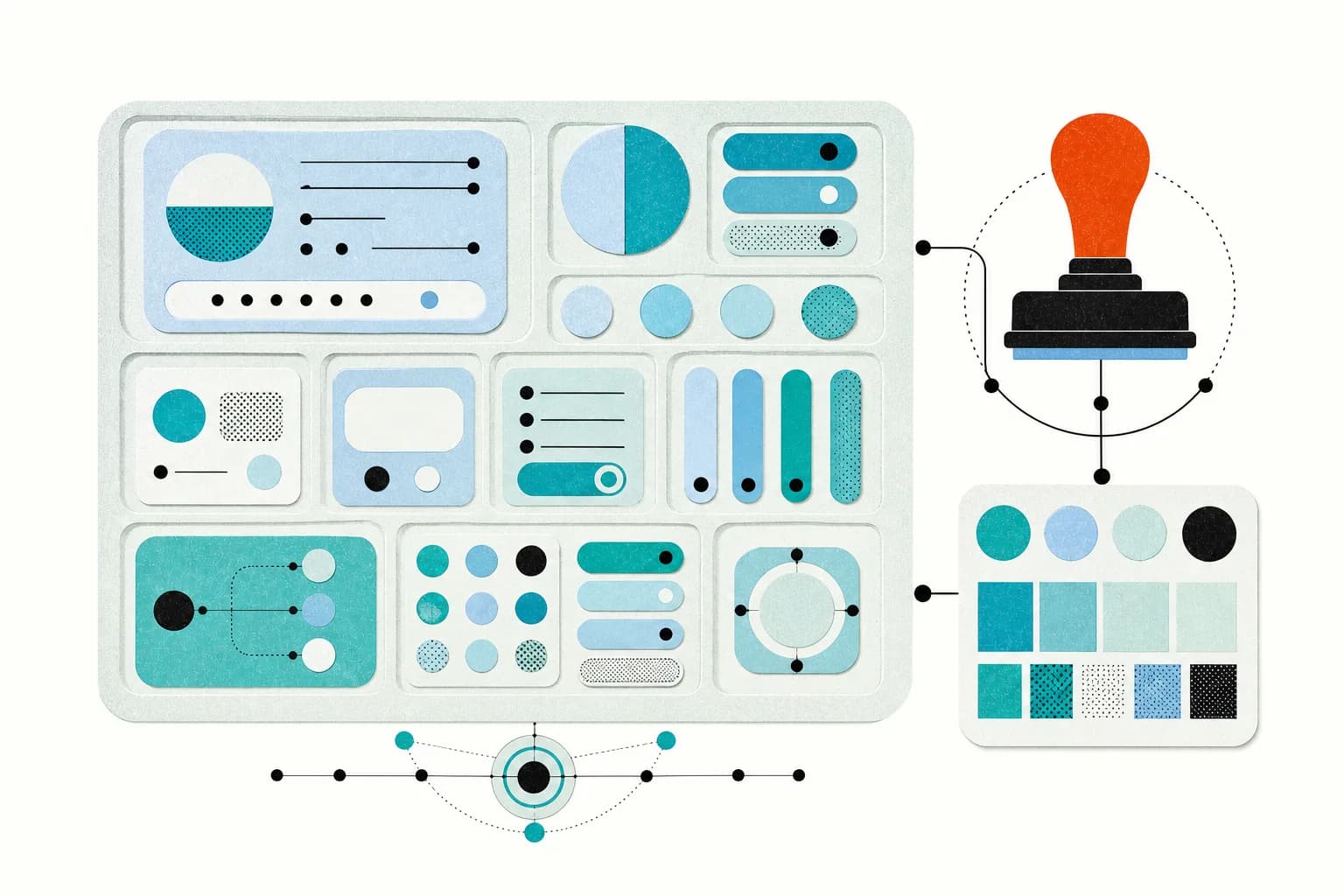
Flutter's widget composition model is powerful when used with the right architectural conventions and creates maintenance complexity when widgets are authored without shared system constraints. Chromedia builds Flutter widget libraries and design systems that establish visual and behavioral consistency across the entire application, defining the widget specifications, theme configurations, typography systems, spacing conventions, and interaction states that allow development teams to build new screens efficiently from a shared foundation. Every widget library is built with accessibility, platform visual consistency, and long-term maintainability as primary requirements, governed by senior Flutter engineers who review every addition before it enters the system.

State Management Architecture

State management is the architectural decision in Flutter development that most significantly determines whether an application is maintainable as it grows. Chromedia designs Flutter state management architectures using the approach appropriate to the application's specific complexity, whether that means Riverpod for its compile-safe dependency injection and reactive state model, BLoC for the explicit event-driven architecture that complex enterprise applications benefit from, or simpler approaches for applications where their overhead is not warranted. Senior Flutter engineers govern every state management decision, ensuring the approach remains navigable as the feature set grows and the engineering team scales.

Platform Channel and Native Integration
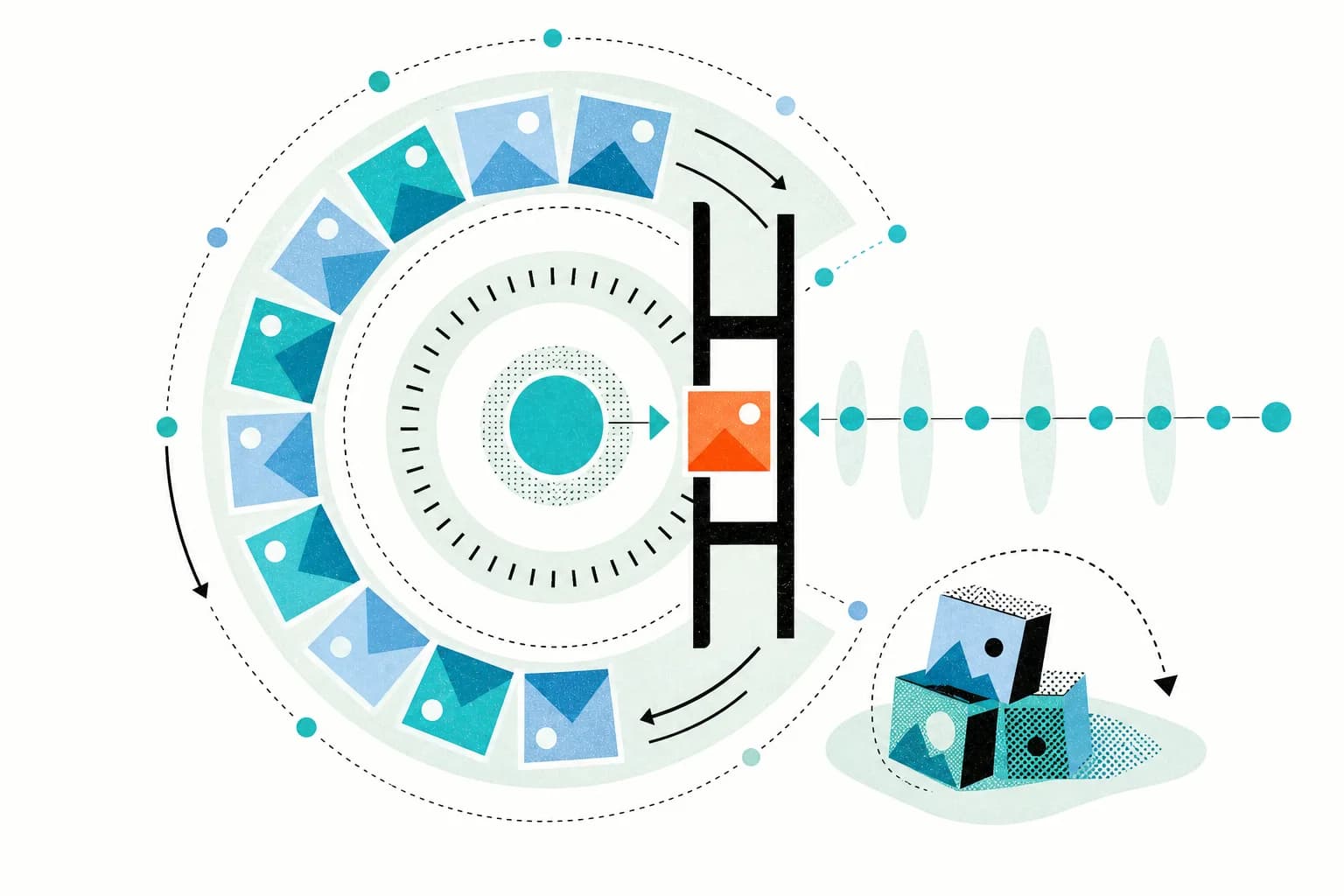
Flutter's platform channel mechanism allows Dart code to communicate with platform-specific Swift and Kotlin implementations for capabilities that Flutter's cross-platform widget system cannot fully abstract, including advanced camera features, Bluetooth communication, background processing, biometric authentication, and the platform-specific integrations that some applications require. Chromedia designs and implements platform channel integrations that bridge Flutter's cross-platform layer with the native platform capabilities the application needs, governed by senior engineers who understand both the Flutter side and the Swift and Kotlin implementations required on each platform.

Flutter Performance Optimization

Performance problems in Flutter applications manifest primarily as frame rate degradation, where the application drops below the 60 or 120 frames per second that smooth scrolling and animation require, and as startup time issues where the application takes longer than users expect to reach an interactive state. Chromedia diagnoses and resolves Flutter performance problems through Flutter DevTools profiling, widget rebuild analysis, rendering pipeline inspection, and startup trace review, addressing root causes including unnecessary widget rebuilds, expensive build methods, unoptimized image loading, and shader compilation jank rather than symptoms. AI-assisted performance analysis surfaces widget rebuild hotspots and rendering bottlenecks across the full widget tree, and senior Flutter engineers govern every optimization decision.

Flutter for Enterprise Applications

Enterprise Flutter applications have specific requirements that consumer applications do not, including MDM integration, certificate pinning, offline data synchronization, enterprise SSO authentication, and the security controls that regulated industries and enterprise IT policies demand. Chromedia designs Flutter enterprise applications with these requirements as first-class architectural constraints, establishing the security posture, data governance, and backend integration architecture that enterprise deployment requires before any UI code is written. Senior Flutter engineers govern every enterprise integration decision, ensuring the application meets the compliance and security requirements of the specific enterprise environment it will be deployed into.

Flutter Web and Desktop

For organizations that want to extend their Flutter investment beyond iOS and Android to web, macOS, Windows, or Linux, Flutter's expanding platform support provides a path to multi-platform deployment from a single Dart codebase. Chromedia designs Flutter web and desktop applications with the platform-specific interaction patterns, responsive layout requirements, and accessibility standards appropriate to each additional target platform, governed by senior engineers who understand the differences between Flutter's mobile and non-mobile rendering contexts and the additional architectural considerations that web and desktop deployment introduces.

AI-Ready Flutter Architecture

Flutter applications built without AI readiness as a design consideration create retrofitting work when intelligent features, cloud AI integration, or on-device inference become product priorities. Chromedia designs Flutter application architecture with AI integration as a first-class consideration from the start, structuring the API layers, data pipelines, and platform channel integrations that connect Flutter applications to cloud AI services, TensorFlow Lite on-device inference, and the real-time AI interaction patterns that modern mobile products increasingly require.

Flutter vs. Native iOS and Android Development

The choice between Flutter and native iOS and Android development is one of the most consequential architecture decisions a mobile product makes, and the right answer depends on what the application actually needs to do, not on a default preference for either approach. Chromedia builds both and helps organizations evaluate the right fit honestly against their actual requirements, timeline, and long-term product goals before any architecture decision is made.

When Flutter Is the Right Choice

Flutter's primary advantage is the efficiency of a single Dart codebase that delivers consistent visual quality across iOS and Android simultaneously. For organizations that need feature parity across both platforms, fast delivery timelines, and a reduced maintenance burden relative to two separate native codebases, that efficiency advantage is real and compounds over time as the application grows. Flutter is particularly well suited for consumer applications where visual consistency and delivery speed are primary priorities, enterprise workflow tools deployed across mixed iOS and Android device fleets where platform-specific UI depth matters less than operational consistency, and startup products where a single engineering team covering both platforms makes more sense than the parallel development investment that separate native codebases require. Flutter's rendering engine also means that applications with custom UI requirements, where the design system departs significantly from platform-native conventions, benefit from Flutter's pixel-perfect rendering control in ways that native development cannot match as efficiently.

When Native iOS and Android Is the Right Choice

Native development delivers capabilities that Flutter's platform channel mechanism introduces real complexity around, and for applications that genuinely depend on those capabilities, the efficiency trade-off of maintaining two codebases is justified by the depth of platform access and the quality of the experience that platform-native development enables. Applications that require deep integration with CoreML, ARKit, HealthKit, or the full range of platform-specific frameworks that Apple and Google expose, that depend on on-device AI capabilities with platform-native performance characteristics, or that serve audiences with strong platform-specific UI expectations are better served by native development than by a cross-platform approach that approximates those capabilities through abstraction layers and plugin dependencies. Native development is also the right choice when the target audience's platform loyalty is strong enough that the platform-native feel of the application materially affects adoption and retention, and when the engineering team structure supports parallel iOS and Android development without creating the coordination overhead that separate codebases introduce in smaller organizations.

Neither approach is universally superior. The right choice is the one that fits the application's actual requirements, the team's engineering structure, and the product's long-term goals. Chromedia evaluates that decision honestly with every client before architecture begins, recommending the approach that serves the product rather than the one that is easiest to deliver.

Talk to Us About Your Mobile Architecture

How AI Has Changed Flutter Development

Flutter development looked very different just a few years ago. Building a production-grade Flutter application required moving through a largely manual process where every phase consumed engineering time proportional to the effort each step demanded before meaningful product development could begin. Widget tree construction in Flutter's compositional model was verbose by design, a deliberate architectural choice that produced maintainable and testable UI code but required significant scaffolding effort before a screen was functional enough to evaluate. State management implementation required writing the full structural boilerplate of whichever pattern the team had adopted, BLoC events and states, Riverpod providers and notifiers, or the InheritedWidget infrastructure that lower-level state approaches depended on, before the business logic those structures were designed to contain could be written.

Platform channel implementation, the mechanism that connects Dart application code to platform-specific native capabilities on iOS and Android simultaneously, required writing correct Swift or Objective-C on the iOS side, correct Kotlin or Java on the Android side, and correct Dart channel registration and method handling on the Flutter side, all for a single native capability integration. The surface area of that work, and the expertise required to execute it correctly across three languages simultaneously, made platform channel development one of the most time-intensive aspects of building Flutter applications that required capabilities beyond what the plugin ecosystem provided.

Test coverage for Flutter applications reflected what the team had capacity to write manually alongside the competing demands of feature delivery and cross-platform compatibility management. Widget tests, integration tests, and golden tests that verify the visual consistency that Flutter's rendering engine makes testable in ways native platforms cannot match were among the most consistently deferred quality investments, because writing them comprehensively required dedicated effort that delivery timelines rarely accommodated. Cross-platform behavioral testing across the Android device fragmentation landscape required manual device coverage that no team could sustain comprehensively without dedicated QA infrastructure that early-stage and mid-stage Flutter teams rarely had access to.

Dart's position as a less widely known language also created practical challenges. The tooling ecosystem, the code generation utilities, and the engineering talent pool for Dart were all smaller than for the languages that dominated the broader software development landscape, making certain kinds of development support harder to find and certain kinds of productivity tooling less mature than Flutter's quality as a framework deserved.

AI has changed the economics, velocity, and quality ceiling of Flutter development in ways that have made production-grade Flutter applications more achievable within realistic delivery timelines than they were when the framework was newer, though not by removing the platform expertise and architectural judgment that distinguishes Flutter applications users keep from ones they delete.

Widget scaffolding and screen generation represent the most immediate change. AI tooling generates widget trees, screen layouts, and composable UI structures from design specifications and natural language descriptions at a speed that manual construction cannot match, compressing the setup work that precedes meaningful product development from days to hours. Senior Flutter engineers review and govern every generated widget against architecture standards, rebuild performance requirements, and the state management conventions established for the engagement before it enters the codebase, so the speed advantage does not accumulate the widget coupling and rebuild inefficiency that ungoverned generation introduces.

State management boilerplate generation has transformed one of the most friction-heavy aspects of Flutter architecture adoption. The repetitive structural code that BLoC, Riverpod, and other mature state management patterns require, events, states, providers, notifiers, and the wiring that connects them to the widget tree, can now be generated from the business logic requirements and state design the senior engineers define, eliminating the scaffolding overhead that previously made state management adoption feel proportionally expensive relative to simpler but less maintainable approaches. Engineers spend their time on the state design decisions that require architectural judgment rather than the structural implementation that follows from them.

Platform channel scaffolding has been meaningfully accelerated by AI tooling that generates the Swift, Kotlin, and Dart boundary code that native integrations require simultaneously, reducing the context switching and multi-language implementation effort that made platform channel development disproportionately time-intensive relative to the capability it delivered. Senior Flutter engineers still govern every platform channel implementation against the correctness requirements of all three languages and the platform-specific behavioral expectations of iOS and Android, but the mechanical scaffolding work that preceded that governance now takes a fraction of the time it previously demanded.

Test coverage generation has addressed one of Flutter's most consistently underinvested quality dimensions. Widget tests that verify component behavior, integration tests that validate screen-level workflows, and golden tests that capture the visual regression protection that Flutter's custom rendering engine makes uniquely practical can now be generated at a scale and comprehensiveness that manual authoring cannot sustain alongside feature delivery. Golden test generation in particular benefits from AI assistance in a way that is specific to Flutter, because the visual consistency that Flutter's rendering model makes testable across platforms is also the consistency that golden test coverage is most effectively positioned to protect, and maintaining that coverage manually across a growing widget library was previously too expensive to prioritize consistently.

Cross-platform behavioral test generation across the Android device fragmentation landscape has been improved by AI-assisted test scenario generation that produces the device configuration combinations, OS version edge cases, and hardware capability variations that manual test authoring and manual device selection consistently miss. Senior engineers review coverage priorities against the device matrix the application's user base actually represents, ensuring AI-generated test scenarios target the configurations where behavioral variation creates real user impact rather than expanding coverage in directions that feel comprehensive but protect against risks the application's audience does not encounter.

Dart code generation quality has improved substantially as AI tooling trained on the Flutter and Dart ecosystem has matured. The practical disadvantage of building in a less widely known language, where code generation support and AI assistance quality lagged behind what engineers working in Python, JavaScript, or Java could access, has narrowed significantly. Dart-specific patterns including null safety conventions, async/await and stream handling, extension methods, and the generic type constraints that well-architected Flutter code depends on are generated with a reliability and idiomatic quality that was not available when Flutter was younger and Dart was less represented in the training data that AI development tools depended on.

Documentation generation has addressed one of the most consistently neglected aspects of Flutter application development. Widget documentation, state management architecture documentation, and platform channel interface documentation that previously fell behind the codebase they described can now be generated and maintained alongside the code it documents, reducing the knowledge transfer friction that affects Flutter teams as they grow and as engineers who built early application components move on to other responsibilities.

What has not changed is the role of genuine Flutter platform expertise and senior engineering judgment in a production-grade cross-platform engagement. AI compresses the scaffolding, boilerplate, test generation, and documentation work that previously consumed engineering time before and alongside meaningful product development. It does not determine the right state management architecture for an application whose complexity will grow significantly beyond its current state, evaluate whether a generated widget implementation handles rebuild performance correctly across the usage patterns real users generate, govern the platform channel design decisions that determine whether a native integration behaves correctly on both iOS and Android across the full range of devices and OS versions the application targets, or make the honest assessment of whether Flutter is the right architectural choice for a specific application's requirements that distinguishes a trustworthy engineering partner from one that defaults to the framework it knows best regardless of fit. Those decisions still require engineers with genuine Flutter depth who understand the framework, the platform, and the long-term consequences of the architectural choices being made before the first widget is written.

The Flutter applications Chromedia delivers today reach production faster, carry more comprehensive test coverage across both platforms, maintain stronger widget architecture consistency, and are better prepared for App Store and Play Store review than what was achievable before AI tooling matured alongside the Flutter ecosystem itself. The senior Flutter engineers governing every phase of that delivery are what makes the single-codebase efficiency advantage Flutter promises into something the application actually delivers under real-world conditions on both platforms.

Common Flutter Development Challenges and How Chromedia Helps

Even experienced internal Flutter teams face challenges that are difficult to address while managing ongoing feature delivery, App Store and Play Store release cycles, and the framework evolution that Flutter's rapid development pace introduces with each major release. Flutter's single-codebase efficiency advantage is real and compelling, but it does not eliminate the platform complexity, architectural discipline, and senior engineering judgment that production-grade cross-platform mobile applications require. Chromedia's Flutter engineering practice is designed to complement internal capability and build toward the performance, platform integration depth, and compliance standards that applications competing across iOS and Android simultaneously demand.

Flutter codebases built without explicit architectural governance tend to establish widget composition and state management patterns that work adequately at early product complexity and become progressively more expensive to maintain as the application grows, screen count increases, and the rebuild performance implications of state management decisions made during initial development become visible under real usage conditions. The Flutter ecosystem's variety of state management approaches, from setState and InheritedWidget to Provider, Riverpod, and BLoC, produces inconsistency when individual developers select approaches based on familiarity rather than a consistent architectural standard applied across the application. Unnecessary widget rebuilds, poorly scoped state, and the widget tree structures that create deep rebuild cascades accumulate into the performance degradation and debugging complexity that Flutter's reactive UI model produces when its composition patterns are not explicitly governed from the start. Chromedia's senior Flutter engineers design widget architecture and state management conventions for rebuild correctness and the state complexity the application will grow into, establishing the structural patterns that keep a growing Flutter codebase performant and navigable rather than accumulating the rebuild debt that organic Flutter development tends to produce under delivery pressure.

Flutter's platform channel mechanism provides the bridge between Dart application code and platform-specific native implementations, and it works well for the capabilities that the plugin ecosystem covers reliably. For applications that require capabilities beyond what well-maintained plugins provide, or that need integration with platform-specific frameworks including CoreML, ARKit, HealthKit, or manufacturer-specific hardware APIs, platform channel implementation introduces native development complexity alongside the Flutter codebase that teams frequently underestimate during scoping. Debugging failures that occur across the Dart-to-native boundary requires both Flutter and native platform expertise simultaneously, and the maintenance overhead of platform-specific implementations grows with the number of channels the application depends on. Chromedia's senior Flutter engineers evaluate platform channel requirements honestly during architecture review, identifying where plugin dependencies are reliable enough to depend on, where custom platform channel implementation is required, and where the native integration requirements are extensive enough that native development would serve the application better than Flutter, before those decisions have already been made in code.

Flutter's rapid release cadence delivers meaningful performance improvements, new widget capabilities, and Dart language features that improve the development experience, but major framework releases also introduce breaking changes that require coordinated migration effort across the widget codebase, state management implementations, and plugin dependencies that the application depends on. Migration work that is deferred across multiple major Flutter releases accumulates into a migration debt that is significantly more disruptive to address than incremental updates managed as each release arrives. Chromedia governs Flutter version currency as an ongoing engineering discipline rather than a periodic remediation activity, managing framework upgrades, Dart language migration, and plugin compatibility assessment on a cadence that keeps the application current without the disruptive migration effort that deferred updates eventually require.

Flutter's custom rendering engine delivers pixel-perfect visual consistency across iOS and Android in ways that React Native cannot match, but it does not eliminate the behavioral variation that Android's device fragmentation landscape introduces at the hardware capability, manufacturer customization, and OS version levels. Touch input latency differences across device tiers, GPU performance variation that affects animation smoothness on lower-end hardware, manufacturer-specific keyboard and input method behaviors, and Android OS version differences that affect permission handling and background processing constraints all produce behavioral variation within a Flutter application that requires explicit test coverage to identify and address. AI-assisted test generation expands device compatibility coverage into the Android configuration combinations and OS version edge cases that manual testing misses, with senior engineer review ensuring coverage priorities are aligned to the device matrix the application's user base actually represents.

The Flutter plugin ecosystem provides access to platform capabilities through community and first-party packages that vary significantly in maintenance quality, platform parity between iOS and Android implementations, and the pace at which they adopt new platform APIs that the underlying iOS and Android platforms introduce. Plugin dependencies that are reliable at the time they are selected can become maintenance liabilities when the plugin falls behind platform updates, introduces breaking changes without adequate migration guidance, or fails to implement a capability on one platform with the same depth it provides on the other. Chromedia evaluates plugin dependencies against maintenance history, platform parity, and the long-term capability requirements of the application before they are introduced into the codebase, identifying where well-maintained plugins are appropriate, where custom platform channel implementations are more reliable, and where plugin ecosystem gaps represent architectural risks that should be addressed before the application depends on them in production.

Flutter applications face the same App Store and Play Store compliance requirements as native applications, including privacy manifest requirements, permission justifications, data safety disclosures, and human interface guidelines adherence, with the additional complexity of Flutter-specific submission considerations including binary size management, the compliance implications of platform channel implementations, and the plugin dependency disclosures that app store reviewers evaluate as part of the submission review process. Compliance gaps in Flutter applications are occasionally more difficult to trace than in native applications because the abstraction layers between Dart code and platform-specific behavior can obscure where a compliance requirement is being violated and which component of the stack is responsible for addressing it. Chromedia's senior Flutter engineers review compliance posture at every phase of every engagement, treating App Store and Play Store requirements as architectural design inputs that shape implementation decisions across both the Dart and platform-specific layers of the application rather than submission criteria evaluated after development is complete.

Flutter's semantics system provides the foundation for accessibility support across iOS VoiceOver and Android TalkBack, but implementing accessibility correctly in Flutter requires explicit semantic annotation, focus management, and the touch target sizing and contrast standards that applications serving the full range of mobile users require. Flutter's custom rendering engine means that accessibility support is mediated through the semantics layer rather than inherited from platform-native widget accessibility implementations, making deliberate semantic annotation more important in Flutter than in native development and more consistently deprioritized under delivery pressure. Chromedia applies AI-assisted accessibility scanning and senior engineer review throughout every Flutter engagement, treating semantic correctness, VoiceOver and TalkBack compatibility, and Material Design accessibility standards as widget-level requirements rather than pre-submission audit findings that surface after accessibility gaps are already built into the widget hierarchy.

Flutter's declarative widget model and Dart's type system provide some natural guardrails against certain classes of AI-generated code errors, but they do not catch the widget architecture decisions, state management patterns, platform channel implementation correctness, and rebuild performance characteristics that require senior Flutter engineering expertise to evaluate correctly. AI-generated widget implementations that compile cleanly and render correctly in isolation can introduce rebuild performance issues that degrade under real usage conditions, state management patterns that produce inconsistent behavior as the application's state complexity grows, or platform channel implementations that fail on specific device configurations in ways that static analysis cannot surface. Chromedia's human-led AI SDLC ensures every AI-generated Flutter output is validated by senior engineers against widget architecture standards, state management conventions, platform integration requirements, and the performance and accessibility standards the engagement was designed around before any code enters the production build.

Book a Flutter Engineering Assessment

How Chromedia Works With You to Build Flutter Applications

Every Flutter engagement begins with a straightforward path from first conversation to working application. There is no lengthy procurement process or complicated onboarding overhead. Chromedia moves quickly from discovery to delivery using a human-led approach that keeps every architecture and platform decision aligned to real user and business outcomes, validated by senior Flutter engineers at every stage.
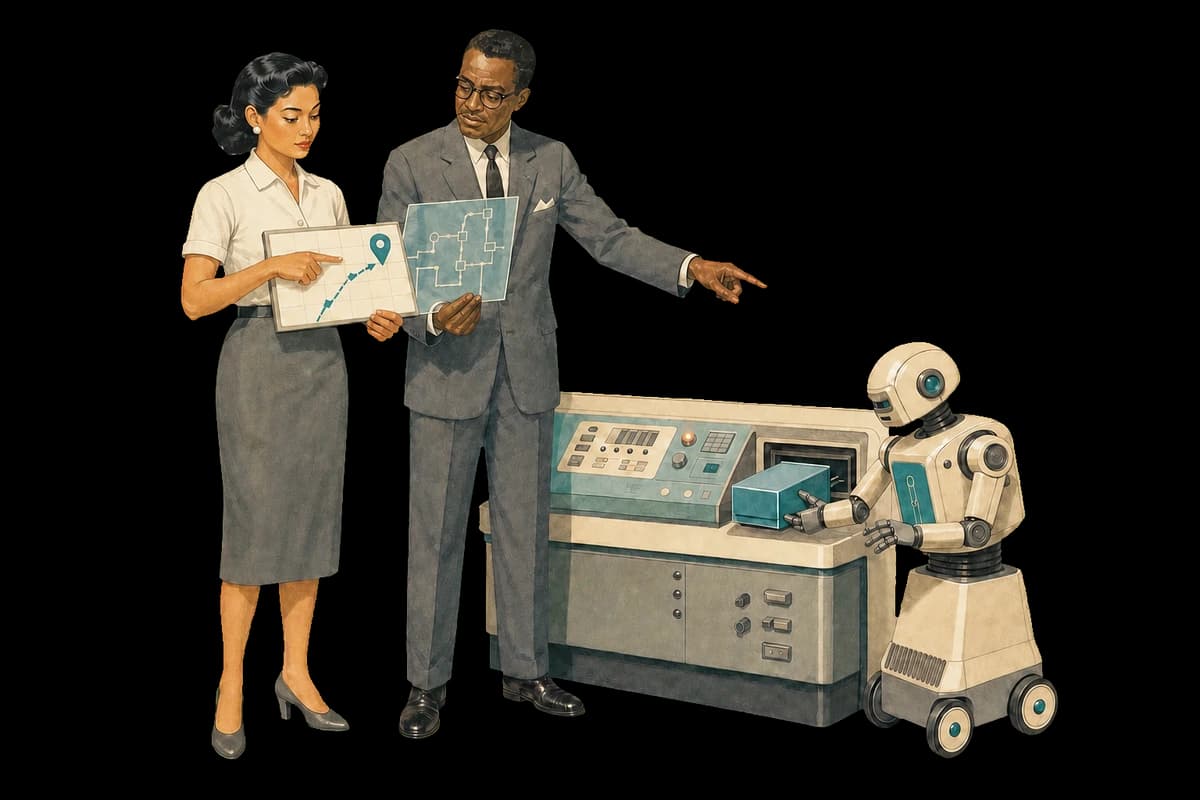
A client lead sets the destination, a senior engineer governs the architecture and directs a compact robot bringing the finished system online

We begin with a strategy call to understand your product goals, target platforms, user workflows, integration dependencies, and the business outcomes the application needs to support. This is a working conversation. By the end of discovery, Chromedia has a clear picture of your platform requirements, your App Store and Play Store strategy, your backend integration needs, and what a successful engagement looks like for your organization, including an honest evaluation of whether Flutter or native development is the right fit for your specific goals.

With goals and requirements understood, senior Chromedia Flutter engineers design an application architecture tailored to your specific platform requirements, user workflow complexity, state management needs, and long-term maintainability goals. Widget architecture approach, state management selection, platform channel integration strategy, design system conventions, App Store and Play Store compliance requirements, and accessibility standards are all defined and reviewed by human engineers before implementation begins, so every stakeholder has a clear picture of what gets built, how it will perform across both platforms, and why the architecture is structured the way it is.

Chromedia assembles and onboards the right Flutter engineering team for your engagement, integrating directly with your existing product, design, and backend engineering teams. We handle team structure and day-to-day management so your internal stakeholders stay focused on the business while senior Flutter engineering talent gets to work against the agreed architecture and platform strategy.

Our teams build iteratively through the development, review, and testing phases of our eight-phase AI SDLC. AI tooling accelerates widget scaffolding, Dart code generation, test coverage across device configurations, accessibility scanning, and App Store and Play Store preparation review. Senior Flutter engineers review every output against widget architecture standards, performance requirements, platform compliance, and accessibility conventions before any code enters the production build. The speed comes from AI. The quality comes from the engineers governing it.

After launch, Chromedia continues monitoring application performance across iOS and Android device configurations, frame rate health, crash rates, and App Store and Play Store rating trends, optimizing the widget architecture and state management patterns as usage grows and Flutter framework updates require adaptation. The result is a production-grade Flutter application that serves users reliably across both mobile ecosystems today and is structured to adopt the new platform capabilities and AI-powered features the product will require as it grows.

Schedule Your Flutter Strategy Call

Engagement Overview

How We Work With You

Flexible engagement models designed to match your delivery goals, internal capabilities, and desired level of control.

Staff Augmentation

Quickly add skilled engineers to your existing team while keeping full control over delivery and priorities.

Learn More

Dedicated Engineering Teams

A stable, fully dedicated team that operates as your own, without the cost of building one internally.

Learn More

Managed Software Development

Chromedia owns delivery end-to-end, from architecture to ongoing support, so you can focus on business outcomes.

Learn More

Why Work with Chromedia?

Bridge Experience & Quality with Affordability

We help you quickly and affordably build a productive AI-forward development team. We provide peace of mind around costs and quality by delivering highly skilled remote employees that can work independently or can integrate seamlessly with your existing technology team.

Reasons Why Chromedia Should Be a Part of Your Growth Strategy

Human-led AI Development

Our employees follow a governed human-led 8-step AI SDLC, ensuring high-quality, secure, and predictable software delivery. For enterprises seeking full transparency, our proprietary 8-phase AI SDLC is available for detailed review.

Explore the 8-Phase AI SDLC

Exclusive Focus

Team members do not juggle multiple projects; they are 100% committed to your roadmap.

Long-Term Collaboration

Chromedia's employees are perfect for complex, evolving projects lasting months or years.

Full Control

You retain strategic leadership over product direction and daily tasks, while Chromedia handles HR, payroll, and infrastructure.

Scalability

Rapidly add highly functioning resources without the overhead of direct hiring.

Massive Cost Efficiency

Reduces overhead by 30–60% by eliminating recruitment fees, office space, and employee benefits while converting variable labor costs into predictable monthly fees.

Faster Time-to-Market

High-performing, integrated units can reduce development cycles and get products to users sooner. Established workflows and parallel workstreams further accelerate release cycles.

Deep Domain Knowledge

Stable teams accumulate insights into your specific business and technical architecture over time.

Less than 3% Turnover

We've worked hard to foster our Chromedia Culture by paying our employees above the top of expected local salaries, providing family-focused generous benefits, giving ample time to relax or travel, and providing a fun atmosphere for us all to get together and bond.

Focus on Core Business Strategy

By offloading technical execution to a Chromedia Team, your internal leadership can focus exclusively on high-impact areas like product vision, marketing, and customer acquisition.

Reduced Management Overhead

Chromedia handles day-to-day HR, administrative tasks, and often project management, freeing in-house managers for higher-level strategic work.

Risk Mitigation and Continuity

Chromedia is responsible for the team's performance ensuring the project doesn't stall.

Immediate Access to Experience

Chromedia invests in AI fluency using the latest tools and development standards as our core business, giving clients access to modern tech stacks without the R&D cost.

Built-in Security and Compliance

Chromedia provides out-of-the-box compliance with standards like GDPR and HIPAA.

Access to Fresh Perspectives

External professionals bring diverse experiences and methodologies from various projects and companies, which can foster innovation and introduce new approaches to problem-solving that the in-house team might not have considered.

24/7 Development Cycles and Infra Support

If you want "follow-the-sun" productivity, offshore teams can handle testing, bug fixes, or support overnight.

Build My AI Team

Frequently Asked Questions