Industries›SaaS & Enterprise
SaaS & Enterprise Platform Development
Build SaaS Platforms Designed to Scale With Your Product, Your Customers, and Your Business













Custom SaaS and enterprise software built to support complex business workflows, connected systems, customer operations, and long-term product scalability, with AI-accelerated delivery and intelligent automation integrated from day one.
SaaS and enterprise businesses grow fastest when their platforms grow with them. Subscription systems, customer onboarding, permissions, billing, analytics, integrations, and internal workflows all need to work together reliably as the product matures, the customer base expands, and operational complexity increases. The organizations that scale most effectively are those whose platforms were built to support that complexity from the start, with architecture that enables faster product iteration, cleaner system integrations, and the operational visibility that distributed teams need to move with confidence.
Chromedia builds SaaS and enterprise platforms engineered for the multi-tenant scale, workflow complexity, and AI-ready architecture that modern software businesses require. Whether that means building a new SaaS product from the ground up, connecting a fragmented ecosystem of billing, CRM, ERP, and analytics systems, or modernizing enterprise applications that have accumulated technical debt across years of growth, every platform is designed around how the business actually operates rather than around the limitations of the systems it started with.
AI-accelerated engineering is embedded throughout our development process, compressing build timelines without compromising the architectural quality that enterprise-grade software demands. Every platform we build is structured from the start to support AI-driven capabilities, including intelligent workflow automation, predictive analytics, personalized product experiences, and operational intelligence, that increasingly define the SaaS products winning in competitive markets.

“Keeping our clients happy is critical. Ensuring that our company is front-and-center in their minds is incredibly important, too. Using Fluid, we have improved our customer success operations considerably and contributed to more references, more revenue, and a better client experience.
Read Full Case Study

Scott S.
Senior Manager, Customer Success, Fluid Gifts
Architecture Design
SaaS and Enterprise System Architecture
SaaS and enterprise platforms are not single applications. They are ecosystems where customer-facing products, operational workflows, integration layers, billing systems, and analytics infrastructure all need to communicate reliably, scale independently, and evolve without creating cascading dependencies that slow down the engineering teams responsible for maintaining them.
Chromedia designs SaaS and enterprise architectures that organize how applications communicate, how workflows move between systems, and how operational data flows across the business, with AI readiness and long-term maintainability treated as architectural requirements from the first engineering decision.
Application and Experience Layer
The customer-facing layer where users interact with the product every day. Chromedia builds SaaS applications, customer dashboards, partner portals, and mobile workflows designed for usability, performance, and the kind of intuitive product experience that drives adoption and retention. AI-powered features including personalized recommendations, intelligent search, and in-product copilots are architected as core product capabilities rather than future additions.
Business Logic and Workflow Layer
The operational engine that makes the product work behind the scenes. Chromedia designs business logic and workflow layers with orchestration systems that route tasks and approvals reliably, access and permissions frameworks that enforce the right boundaries across tenant organizations and user roles, process automation that eliminates manual coordination, and the operational logic that governs how the product behaves under every condition the business encounters. AI-assisted workflow automation reduces the manual effort that scales linearly with customer growth and replaces it with intelligent systems that improve over time.
Data and Integration Layer
The connective tissue that allows a SaaS or enterprise platform to participate in a larger business ecosystem. Chromedia designs data and integration layers with ERP and CRM integrations, third-party API connections, real-time synchronization pipelines, and reporting infrastructure that gives every part of the business access to the data it needs without creating fragile point-to-point dependencies. Clean data architecture at this layer is also what makes AI-driven analytics, forecasting, and operational intelligence reliable rather than approximate.
Infrastructure and Operations Layer
The foundation that determines whether the platform performs consistently as usage grows. Chromedia designs infrastructure and operations layers with cloud-native deployment automation, monitoring and observability systems that surface issues before they affect customers, and the operational controls that allow engineering teams to ship confidently and respond quickly when something needs attention. AI-assisted observability surfaces patterns that manual monitoring misses, giving operations teams the intelligence they need to stay ahead of platform health rather than react to incidents.
Legacy Modernization
Modernizing Enterprise Applications and Internal Systems
Enterprise software environments grow organically over time, accumulating applications, internal tools, integrations, and business processes across multiple generations of technology decisions. The result is often a landscape where operational data lives in too many places, workflows require more manual coordination than they should, and engineering teams spend more time maintaining complexity than building new product value.
Modernization is the opportunity to change that dynamic, and Chromedia helps SaaS and enterprise organizations do it without disrupting the business processes their teams and customers depend on every day.
Modernization areas we address:
Connecting Legacy and Modern Systems Through APIs
Workflow Restructuring and Process Automation
Incremental Migration Without Operational Disruption
Reporting and Analytics Modernization
Infrastructure Upgrades for Deployment and Scale
Business Strategy & Framework
SaaS and Enterprise Platform Strategy
SaaS and enterprise organizations often reach a point where existing platforms can no longer support the product complexity, customer scale, integration requirements, or AI-driven capabilities that the business needs to grow. The right platform strategy depends on where the current architecture is creating the most friction and where a better foundation would deliver the most compounding value.
Different business models require different platform approaches. In some cases, extending existing systems is sufficient. In others, organizations benefit from restructuring architecture, consolidating fragmented systems, or building custom software designed specifically around their workflows, customer model, and long-term product vision.
Organizations typically begin evaluating new platform approaches when they need:
- More flexible subscription and billing workflows that support the pricing models the business wants to offer without requiring engineering workarounds for every new pricing change
- Better coordination across operational systems and departments, with AI-assisted automation reducing the manual effort that currently scales with customer growth
- Improved workflow automation for approvals, task routing, and internal processes that currently depend on manual coordination between teams
- Consolidated reporting across products and teams, with clean data architecture that supports AI-driven analytics and operational intelligence as a natural extension of the reporting foundation
- More efficient permissions and product administration that enforces the right access boundaries across tenant organizations without creating overhead for the engineering and support teams managing them
- Integration flexibility across internal and third-party systems that allows the platform to participate in a broader business ecosystem without creating fragile dependencies
- AI-enabled product capabilities and operational workflows that improve the product experience, reduce manual effort, and create the kind of intelligent automation that compounds in value as adoption grows
- Faster release cycles and deployment coordination that allow engineering teams to ship product improvements continuously rather than managing complex deployment processes that slow iteration
Chromedia helps SaaS and enterprise organizations assess whether extending existing systems, restructuring architecture, or developing custom software best aligns with their product goals, operational requirements, and long-term growth strategy.
Our Solutions
SaaS and Enterprise Solutions We Build
SaaS and enterprise organizations manage subscriptions, workflows, analytics, customer operations, permissions, reporting systems, and integrations across increasingly connected software environments. Chromedia develops solutions aligned to those operational requirements, with AI readiness and architectural flexibility built in from the start so platforms can grow with the business rather than constrain it.
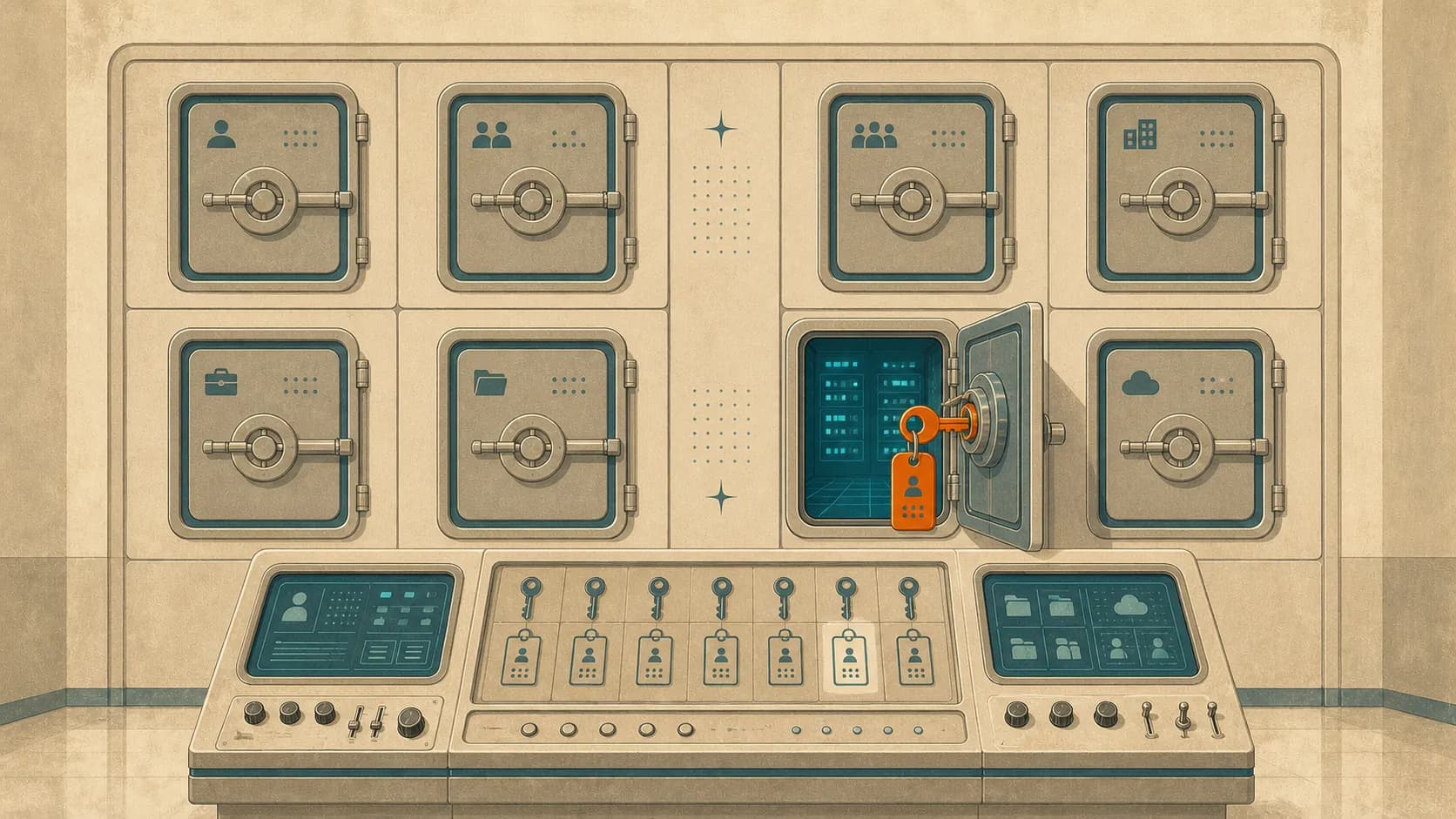
SaaS Platforms and Multi-Tenant Applications
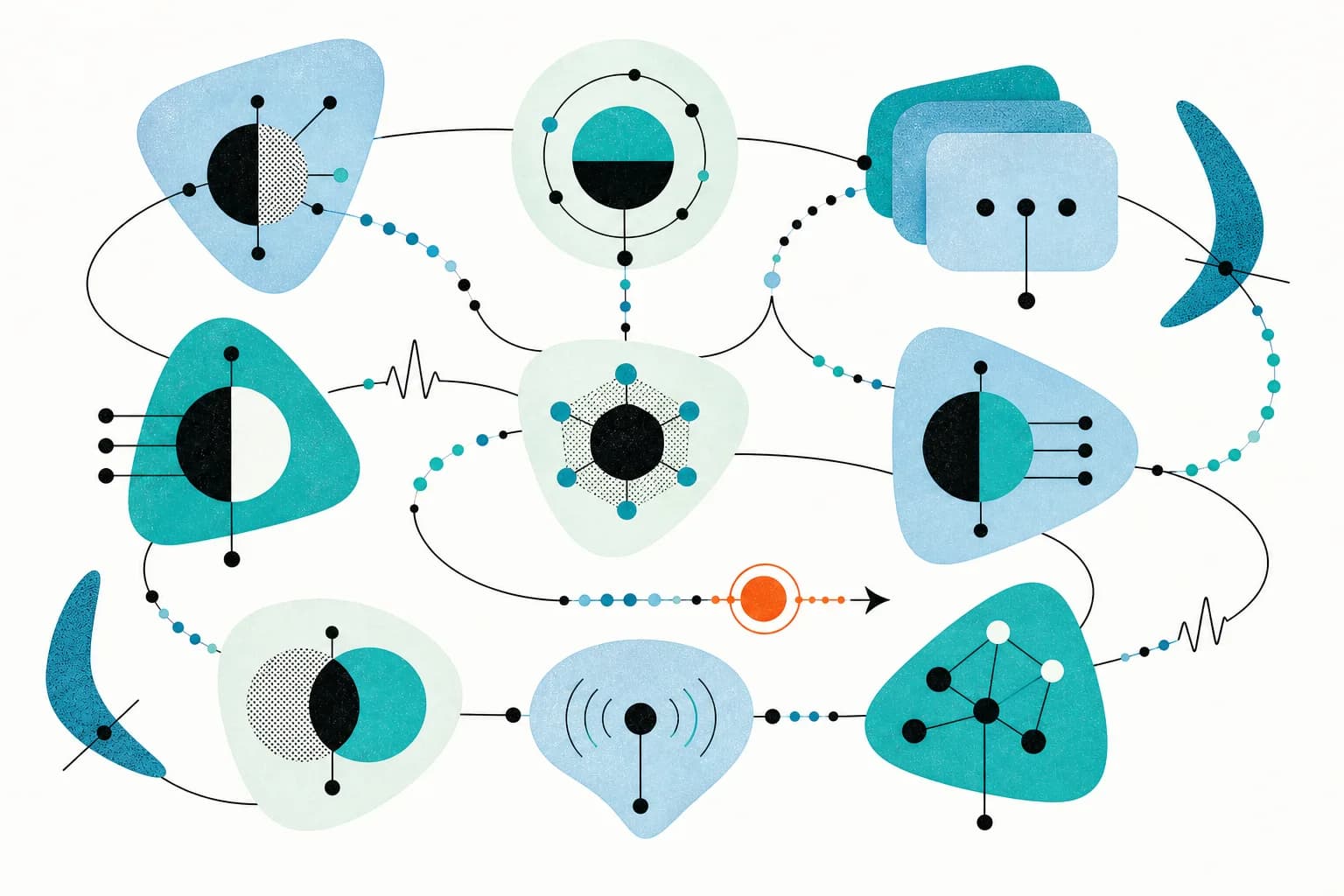
Enterprise Workflow Systems
Customer and Partner Portals

Billing and Subscription Systems

Enterprise Integrations and Data Platforms
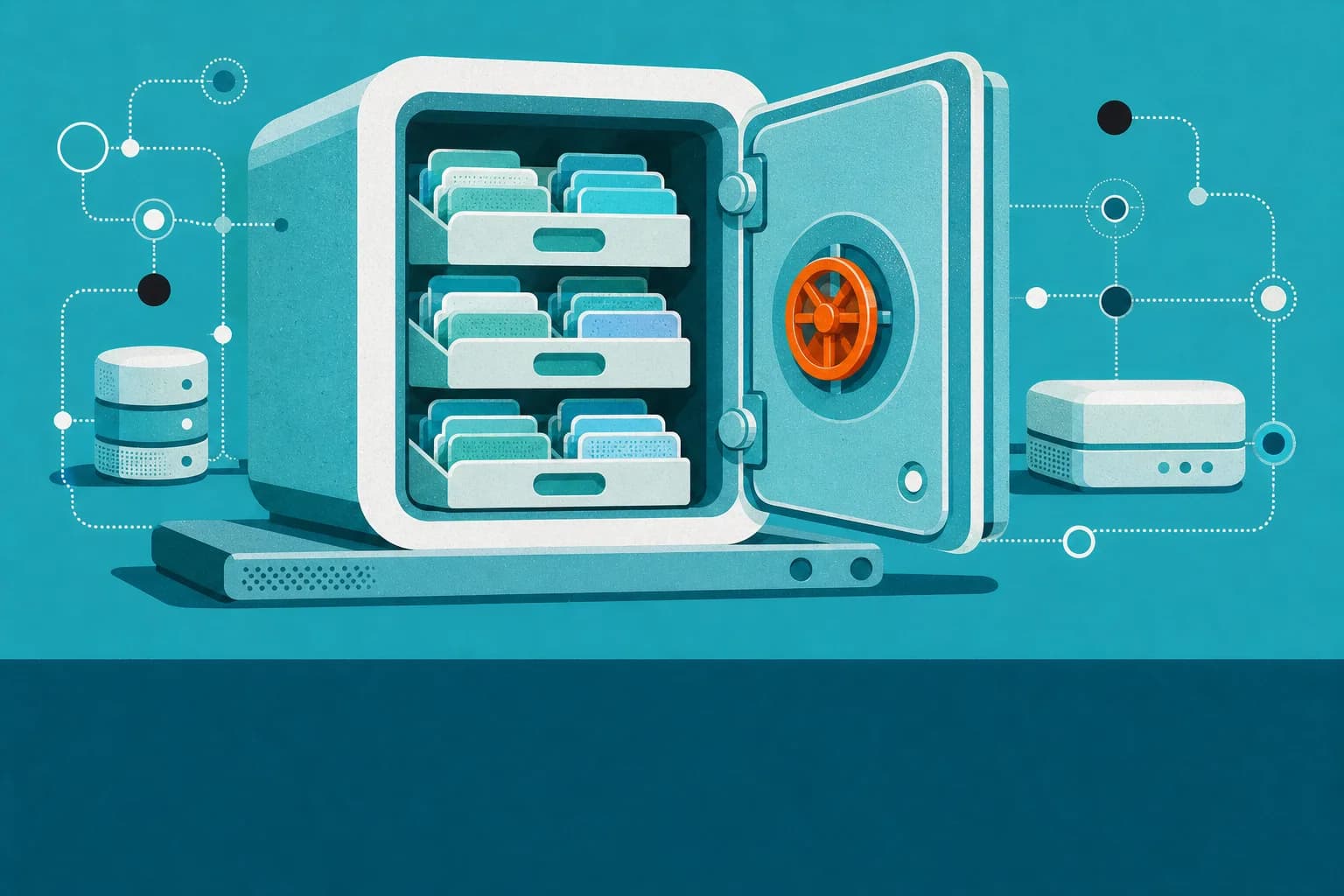
Analytics and Reporting Applications
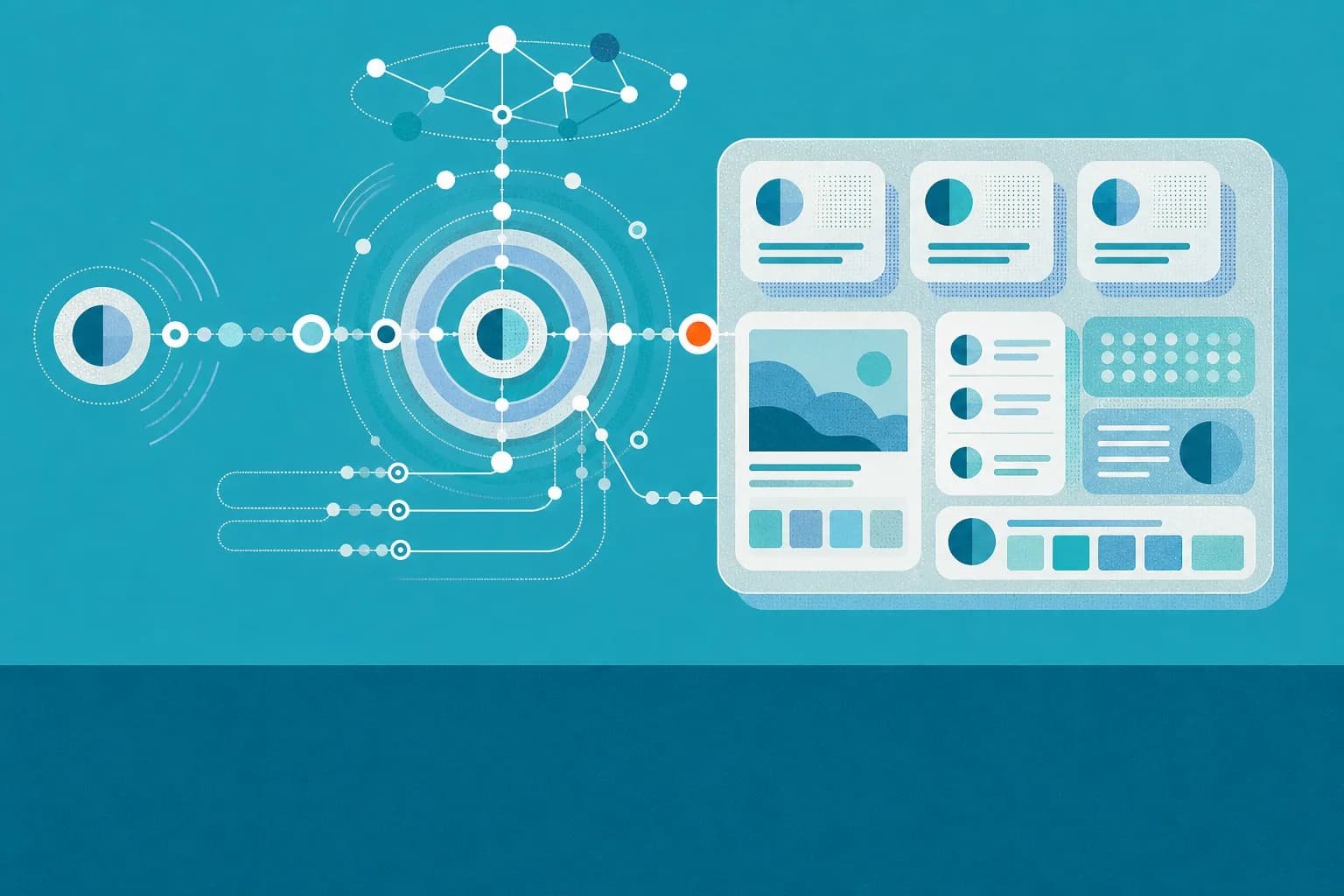
AI-Enabled Enterprise Applications

Case Study Highlight:
Built a multi-tenant SaaS platform that enabled distributed teams to manage operational workflows, track KPIs, and coordinate internal processes within a centralized application environment. The platform supported multiple customer organizations within a single architecture, improved reporting visibility across teams, and reduced operational friction by 25–35% as adoption scaled.
Read Case StudyEvery engineer and product manager we had at Chromedia was both responsive and could be counted on to deliver. Every time.